Creative Ways to Decorate With Mirrors in Your Home
- By the dedicated team of editors and writers at Newsletter Station.
Mirrors are more than reflective surfaces. They are versatile design elements that can change the way a room looks and feels while adding function, style, and visual interest. Used thoughtfully, mirrors can make a small room appear more open, reflect natural light, highlight architectural features, and serve as eye-catching decorative pieces.
From oversized statement mirrors to subtle mirrored accents, there are countless ways to incorporate reflections into your home's interior design. The key is choosing the right size, shape, placement, and frame for your space.
Here are several creative mirror decorating ideas to inspire your next home design project.
Create the Illusion of More Space
One of the most popular benefits of decorating with mirrors is their ability to make a room appear larger. This can be especially helpful in smaller bedrooms, entryways, hallways, and living spaces.
Try placing a large mirror on a wall opposite a doorway or across from an attractive part of the room. A mirror positioned thoughtfully can add depth and make the space feel more open.
Mirrored closet doors are another practical option for bedrooms, while a large wall mirror can help visually expand a narrow hallway.
Use Framed Mirrors as Wall Art
A mirror doesn't have to be purely functional. A beautifully framed mirror can serve as artwork and become a focal point in a room.
Choose an ornate frame for a traditional or elegant interior, a simple wood frame for a natural aesthetic, or a clean-lined design for a contemporary space. You can also create a gallery-style arrangement using mirrors in different shapes, sizes, and frames.
When grouping multiple mirrors, consider how their frames work together so the arrangement looks intentional rather than cluttered.
Enhance Natural Light
Mirrors can help reflect available daylight and distribute it throughout a room. For maximum impact, position a mirror near or across from a window so it reflects the outdoor light and scenery.
This can be particularly effective in rooms with limited windows or darker corners. However, avoid positioning mirrors where they reflect something unattractive or create excessive glare.
Think about what the mirror will reflect before choosing its location. The reflection itself becomes part of your room's design.
Make a Statement With an Oversized Mirror
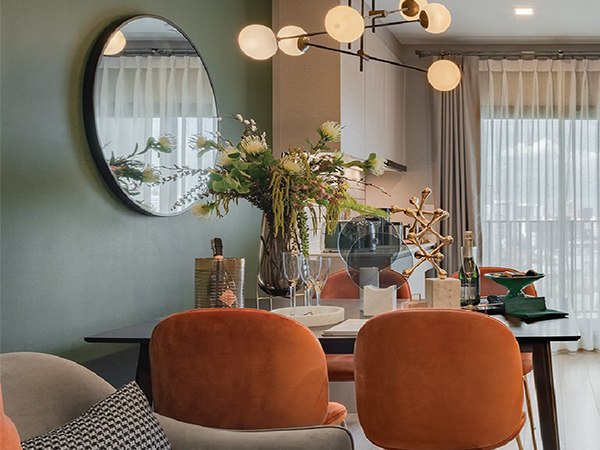
An oversized mirror can create an impressive focal point while making a room feel more spacious. Large mirrors work particularly well in living rooms, bedrooms, dining areas, and entryways.
A floor-length mirror can provide both decorative appeal and practical functionality in a bedroom or dressing area. In some rooms, a large mirror can be leaned against a wall for a relaxed look, but make sure it is properly secured if there is any risk of tipping.
When choosing an oversized mirror, consider the scale of surrounding furniture. A mirror that is too small can get lost, while one that is appropriately proportioned can anchor the entire room.
Add a Mirrored Kitchen Backsplash
Mirrors can add depth and visual interest to a kitchen backsplash. Reflective surfaces can make a compact kitchen feel more open while providing a distinctive alternative to traditional tile, stone, or glass.
Antique or aged mirror finishes can complement traditional and vintage-inspired kitchens, while clean reflective panels can work well in contemporary spaces.
Because kitchen backsplashes are exposed to moisture, grease, and food residue, choose materials that are appropriate for the location and easy to maintain. Proper installation and sealing are also important.
Incorporate Mirrored Furniture
Mirrored furniture can add sophistication and visual interest without requiring an entire wall of reflective surfaces. Consider a mirrored side table, coffee table, dresser, nightstand, or console.
These pieces work particularly well when used selectively. Too many reflective surfaces can make a room feel visually busy, so balance mirrored furniture with softer textures such as upholstered furniture, wood, rugs, and textiles.
Add Smaller Mirrored Accents
If you're not ready to commit to a large mirror, start with smaller decorative accents. Mirrored trays, picture frames, decorative boxes, vases, and other reflective accessories can introduce subtle shine.
Place these pieces where they can catch available light without creating excessive glare. A few carefully selected accents can add sophistication without overwhelming the room.
Choose Mirrors That Complement Your Style
The shape and frame of a mirror can have just as much impact as its size. Round mirrors can soften rooms with lots of straight lines, while rectangular mirrors often provide a more structured appearance. Arched and organically shaped mirrors can add architectural interest and create a more distinctive look.
Consider the existing colors, materials, furniture, and finishes in the room when selecting your mirror. The goal is to complement the overall design rather than make the mirror feel like an unrelated addition.
Make Mirrors Work for Your Space
Mirrors are among the most flexible tools in interior design. They can create the illusion of additional space, reflect natural light, provide functional value, and introduce texture, shape, and personality to a room.
Whether you choose one oversized statement mirror, create a collection of decorative mirrors, or incorporate a few smaller reflective accents, thoughtful placement is the key to getting the best results.
Before hanging a mirror, take a moment to consider what it will reflect, how much light it will receive, and how its size and frame relate to the surrounding furnishings. With a little planning, mirrors can transform ordinary rooms into spaces that feel brighter, more open, and more polished.