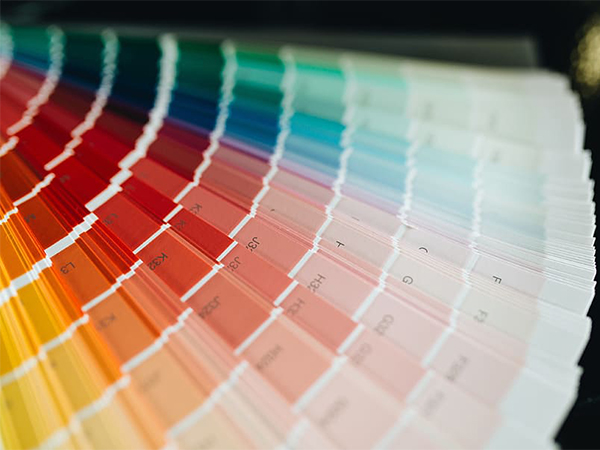
How Color Palettes Influence the Mood of Your Home Interior
- By the dedicated team of editors and writers at Newsletter Station.
When it comes to interior design, color is one of the most powerful tools for shaping how a space looks, feels, and functions. The colors you choose can influence mood, perception, and even behavior, making them a key part of creating a comfortable and inspiring home environment.
A thoughtfully selected color palette can transform a room from plain and uninspiring into a space that feels balanced, welcoming, and reflective of your personality. Whether you're redecorating a single room or designing an entire home, understanding color psychology can help you make more intentional design choices.
The Psychology of Color in Interior Design
Colors communicate emotion without words. They can energize, calm, or even stimulate creativity depending on how they are used. This is why interior designers carefully consider color psychology when planning spaces.
Warm colors such as red, orange, and yellow often create feelings of energy, warmth, and excitement.
Cool colors like blue, green, and purple tend to evoke calmness, relaxation, and clarity.
Neutral tones such as white, beige, gray, and taupe provide balance and versatility.
Understanding these emotional responses helps you design spaces that support how you want to feel in each room.
Creating Balance with Color Palettes
A successful interior color scheme is about balance rather than dominance. Too many bold colors can overwhelm a space, while an overly neutral palette may feel flat or uninspired.
To create harmony in your home:
Choose a primary color and build around it
Add complementary accent colors for contrast
Use neutrals to ground the design
Repeat colors in small details for cohesion
A well-balanced palette creates flow between rooms and ensures your home feels connected and intentional.
Energizing Spaces with Warm Colors
Warm colors are ideal for areas where activity, conversation, and social interaction take place. These tones can make spaces feel lively and inviting.
Best uses for warm colors include:
Living rooms
Dining areas
Kitchens
Home offices (for creativity and energy)
Shades of red can stimulate conversation, orange can encourage enthusiasm, and yellow can promote optimism. However, these colors are best used in moderation or as accents to avoid overstimulation.
Creating Calm and Relaxing Spaces with Cool Colors
Cool colors are commonly used in spaces designed for rest. They help reduce stress levels and create a peaceful atmosphere.
Ideal spaces for cool tones include:
Bedrooms
Bathrooms
Reading corners
Meditation or wellness spaces
Soft blues can promote tranquility, greens can bring a sense of balance and nature, and lavender tones can encourage relaxation. These colors work especially well when paired with soft lighting and natural textures.
The Role of Neutral Colors in Modern Interiors
Neutral color palettes remain a cornerstone of modern interior design due to their flexibility and timeless appeal. They create a clean foundation that allows furniture, artwork, and décor to stand out.
Popular neutral shades include:
White and off-white tones
Beige and cream
Light and charcoal gray
Earthy taupe and sand tones
Neutrals can make small spaces appear larger, brighter, and more open. They also provide a long-lasting foundation that can be updated easily with seasonal décor or accent colors.
Personalizing Your Space Through Color
While color psychology offers helpful guidelines, personal preference should always play a major role in your design decisions. Your home should reflect your lifestyle, personality, and comfort preferences.
To personalize your space:
Incorporate colors that make you feel comfortable and inspired
Blend bold accents with softer base tones
Use artwork, textiles, and décor to introduce color flexibility
Adjust palettes based on room purpose and lighting
Color is one of the easiest ways to express individuality in interior design.
Lighting and Texture: Enhancing Your Color Palette
Modern interior design also considers how lighting and materials affect color perception. Natural and artificial lighting can dramatically change how colors appear throughout the day.
Natural daylight enhances true color tones
Warm lighting softens and enriches warm palettes
Cool lighting sharpens blues and neutrals
Textures like wood, fabric, and metal add depth to color schemes
Considering these elements ensures your chosen palette works well in real-life conditions, not just on a paint swatch.
Color palettes play a powerful role in shaping the mood, comfort, and personality of your home. Whether you prefer bold, energetic spaces or soft, calming environments, understanding color psychology helps you design with intention.
By balancing warm, cool, and neutral tones—and considering lighting, texture, and personal preference—you can create a home that feels cohesive, functional, and uniquely yours. Thoughtful color choices not only enhance aesthetics but also support well-being and everyday comfort.