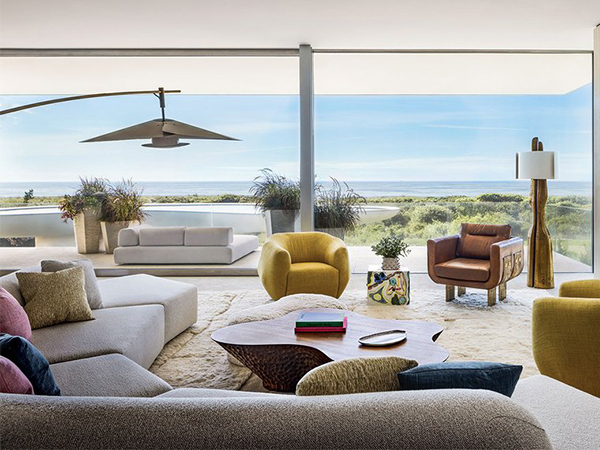
7 Creative Ways to Blend Vintage and Modern Interior Design Styles
- By the dedicated team of editors and writers at Newsletter Station.
Combining vintage and modern interior design has become a leading trend in home decor, offering a stylish way to create spaces that feel both timeless and personal. This design approach blends the charm and craftsmanship of the past with the clean lines and functionality of contemporary style. The result is a balanced, curated home that reflects individuality while staying visually cohesive.
Whether you are renovating a single room or refreshing your entire home, mixing old and new elements can add warmth, character, and depth to your space. Here are seven creative and practical ways to blend vintage and modern design styles successfully.
Start with a Neutral Design Foundation
A neutral base is essential when combining different design eras. Shades like white, soft beige, warm gray, and muted earth tones create a calm backdrop that allows both vintage and modern pieces to stand out.
Neutral walls, flooring, and large furniture pieces help prevent visual clutter and make it easier to layer different textures and styles. This foundation also gives you flexibility to update your decor over time without major redesigns.
Mix Contrasting Materials and Textures
One of the most effective ways to blend vintage and modern design is by combining contrasting materials. Pair smooth, contemporary surfaces like glass, metal, or polished stone with aged wood, distressed finishes, or antique textiles.
For example, a sleek, modern sofa can be paired with a reclaimed-wood coffee table, or a minimalist kitchen can be softened with vintage ceramic accents. These contrasts create visual depth and make the space feel more dynamic and intentionally designed.
Use Statement Lighting as a Design Bridge
Lighting plays a powerful role in interior design and can seamlessly connect vintage and modern aesthetics. Statement lighting fixtures often serve as focal points while tying different design elements together.
Consider pairing a modern dining room table with a vintage-style chandelier or adding mid-century modern floor lamps to a contemporary living room. Today’s lighting designs also incorporate energy-efficient LED technology, making it easier to combine style with sustainability.
A well-chosen lighting fixture can instantly elevate a room and unify mixed design styles.
Blend Old and New Decorative Accessories
Accessories offer one of the easiest ways to experiment with vintage and modern combinations. They are flexible, affordable, and easy to swap out as your style evolves.
Try pairing contemporary artwork with ornate vintage frames, or placing antique vases on sleek floating shelves. You can also layer modern geometric cushions on a traditional sofa or add a vintage rug to a minimalist space.
This approach allows you to test different combinations without committing to large-scale changes.
Refresh and Reimagine Vintage Furniture
Vintage furniture pieces often have strong craftsmanship and unique character, but they may need updating to fit modern interiors. Instead of replacing them, consider repurposing or restoring them.
Reupholstering an antique chair with modern fabric, refinishing a wooden dresser, or repainting a vintage cabinet in a bold contemporary color can completely transform its look while preserving its history.
This sustainable approach not only reduces waste but also adds meaningful, one-of-a-kind pieces to your home.
Create Balanced and Eclectic Wall Displays
Walls provide a great opportunity to showcase a mix of design styles. A well-curated gallery wall can include vintage artwork, modern prints, family photos, and sculptural pieces all in one cohesive arrangement.
You can also combine antique mirrors with modern clocks or mix framed botanical prints with abstract art. The key is balance—spacing, alignment, and thoughtful placement help prevent the display from feeling overwhelming.
Layering different styles adds personality and visual interest to any room.
Embrace Minimalism for Visual Balance
When combining vintage and modern styles, it’s important to avoid overcrowding your space. Minimalism helps maintain balance and ensures each design piece stands out.
Instead of filling every corner, choose a few standout vintage and modern items that complement each other. Allow breathing room between objects so each piece can be appreciated individually.
This approach creates a clean, curated look that feels intentional rather than cluttered.
Incorporate Sustainable and Timeless Design Choices
Modern interior design increasingly focuses on sustainability, and blending vintage pieces naturally supports this trend. Reusing and repurposing furniture reduces waste while adding unique character to your home.
In addition, choosing high-quality materials and timeless designs ensures your space remains stylish for years to come. Combining sustainability with aesthetics allows you to create a home that is both beautiful and environmentally conscious.
Blending vintage and modern interior design styles offers a creative way to design a home that feels both stylish and personal. By balancing neutral foundations, contrasting textures, statement lighting, and carefully chosen decor, you can create a space that reflects your personality while maintaining harmony and flow.
The key is thoughtful curation—choosing pieces that complement rather than compete with each other. With the right balance, your home can become a seamless blend of historical charm and contemporary elegance.