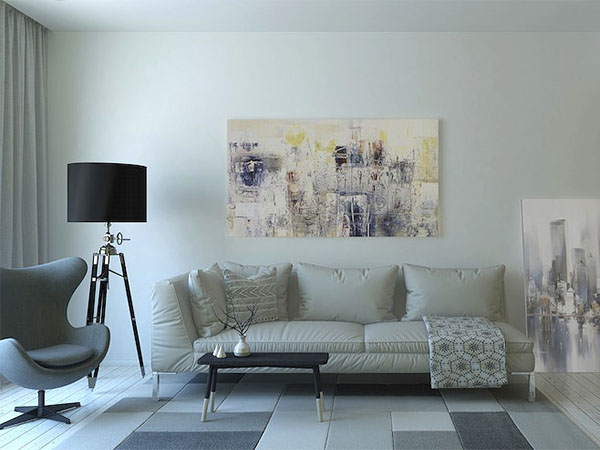
How to Use Contrasting Design to Transform Any Room
- By the dedicated team of editors and writers at Newsletter Station.
Creating a visually striking and memorable space doesn’t require a complete redesign—sometimes, it’s all about contrast. In today’s design landscape, mixing styles, textures, and colors is a popular way to add personality and depth to any room. When done thoughtfully, contrasting design elements can elevate your space, making it feel both dynamic and cohesive.
In this updated guide, we’ll walk through practical, modern tips to help you successfully incorporate contrasting designs into your home.
Understand the Power of Contrast
Contrast is the art of placing opposing elements together to create visual interest. This can include differences in:
Color (light vs. dark)
Texture (smooth vs. rough)
Style (modern vs. traditional)
Shape (clean lines vs. organic forms)
In 2026, designers are leaning into “intentional contrast”—using bold differences in a controlled way to create a balanced, curated look rather than a cluttered feel.
Blend Styles with Purpose
Mixing design styles is one of the most effective ways to create contrast. For example, pairing modern minimalism with rustic or vintage accents can create warmth without sacrificing simplicity.
The key is balance. Choose one dominant style (about 70%) and complement it with a secondary style (30%). This approach keeps the room cohesive while still allowing contrasting elements to stand out.
Use Color to Create Depth
Color is one of the easiest ways to introduce contrast. Start with a neutral or foundational palette, then layer in contrasting tones for visual impact.
Popular 2026 trends include:
Neutral bases with bold accent colors
Warm and cool tone combinations
High-contrast black-and-white palettes softened with natural hues
Accent pillows, artwork, or a statement wall are simple ways to experiment without overwhelming the space.
Mix Patterns Thoughtfully
Combining patterns can energize a room—but it requires intention. Pair bold, large-scale patterns with smaller, subtle ones to avoid visual overload.
For example, geometric prints can be balanced with softer florals or organic textures. Keeping a consistent color palette helps unify different patterns and maintain harmony.
Layer Textures for a Rich Look
Texture is a powerful yet often underutilized design tool. Mixing materials adds dimension and makes a room feel more inviting.
Try combining:
Soft fabrics (linen, wool) with hard surfaces (metal, glass)
Natural wood with polished finishes
Matte and glossy elements
Layering textures not only enhances contrast but also creates a more comfortable and lived-in feel.
Anchor the Room with Unifying Elements
While contrast adds excitement, cohesion keeps your space from feeling chaotic. Choose a unifying element—such as a recurring color, material, or shape—to tie everything together.
This could be as simple as repeating a metal finish throughout the room or using a consistent color accent across décor pieces.
Incorporate Contrast Through Lighting and Décor
Modern lighting plays a big role in enhancing contrast. Combine sleek, contemporary fixtures with vintage-inspired décor or vice versa.
Additionally, mix statement pieces with minimalist elements. A bold piece of art or furniture can stand out beautifully in a more understated setting.
Incorporating contrasting designs is one of the most effective ways to create a unique and visually engaging space. By balancing styles, experimenting with color and texture, and maintaining cohesive elements, you can design a room that feels both dynamic and harmonious.
Don’t be afraid to experiment—contrast is about expressing personality while maintaining balance. With a thoughtful approach, your space can feel fresh, modern, and uniquely yours.