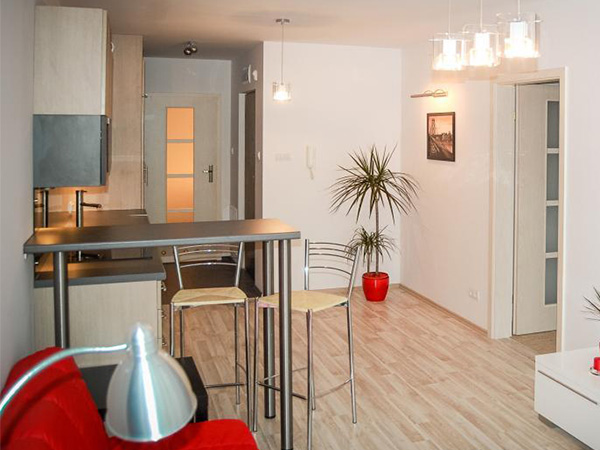
The Impact of Lighting on Interior Design and How We Experience a Space
- By the dedicated team of editors and writers at Newsletter Station.
In interior design, architects and designers spend considerable time selecting furniture, colors, materials, and textures to create spaces that are both attractive and functional. Yet one of the most influential design elements is sometimes treated as an afterthought: lighting.
The right lighting can transform how a room looks, feels, and functions. It can make a small space appear more open, highlight architectural details, improve visibility, support daily activities, and contribute to a comfortable atmosphere. Natural and artificial light also affect how we perceive colors, textures, and the overall character of a space.
Understanding the impact of lighting in interior design can help homeowners and designers create rooms that are not only beautiful but also practical and inviting.
Setting the Mood and Atmosphere
Lighting has a powerful effect on the mood of a room. Factors such as brightness, color temperature, direction, and distribution all influence how a space feels.
Warm lighting often creates a cozy, relaxed atmosphere, making it a popular choice for living rooms, bedrooms, and dining areas. Cooler or more neutral lighting can make a space feel brighter and more energetic, which may be helpful in kitchens, home offices, and other task-oriented areas.
However, there is no single "best" lighting choice for every room. The ideal lighting plan depends on how the space will be used, the amount of natural light available, and the atmosphere you want to create.
Dimmers can also add flexibility, allowing a room to transition from bright and functional during the day to softer and more relaxing in the evening.
Highlighting Architectural Features and Décor
Well-designed lighting can draw attention to the details that make a space unique. A carefully placed fixture can highlight a vaulted ceiling, textured wall, fireplace, staircase, artwork, or other architectural feature.
Accent lighting, including directional fixtures and wall-mounted lighting, can create visual interest and add depth to a room. For example, illuminating artwork can create a gallery-like effect, while subtle lighting around architectural details can make them stand out without overwhelming the space.
Lighting can also enhance decorative elements by revealing their color, texture, and shape more effectively.
Influencing Spatial Perception
Lighting can significantly affect how we perceive the size and shape of a room. Dark corners and uneven lighting can make a space feel smaller or more enclosed, while balanced illumination can help create a greater sense of openness.
Using multiple light sources throughout a room can reduce harsh shadows and provide more even illumination. Wall lighting, floor lamps, recessed fixtures, and other layered lighting techniques can help create depth and visual balance.
In smaller spaces, thoughtful lighting can be especially valuable. Brightening darker areas and avoiding a single harsh overhead light can make the room feel more welcoming and visually comfortable.
Improving Functionality and Safety
Lighting is not only about appearance. It also plays an important role in how safely and efficiently we use a space.
Task lighting provides focused illumination for activities that require greater visibility. Desk lamps can support reading and computer work, while under-cabinet lighting can make food preparation easier. Well-placed lighting in bathrooms, closets, hallways, and staircases can also improve visibility and reduce the risk of trips and falls.
When planning a lighting design, consider what activities take place in each area. A room may need a combination of general lighting for overall visibility, task lighting for specific activities, and accent lighting for visual interest.
The Importance of Natural Light
Natural daylight can have a major influence on the appearance and atmosphere of an interior space. It changes throughout the day, affecting how colors and materials appear.
Whenever possible, interior design should consider the amount and direction of natural light entering a room. Window treatments can help manage glare and privacy while still allowing daylight into the space.
Mirrors and reflective surfaces may also help distribute available light, making darker areas feel brighter. At the same time, controlling excessive sunlight can help improve comfort and protect furnishings from unnecessary fading.
Lighting and Our Daily Rhythms
Light also influences the body's natural sleep-wake cycle, often referred to as the circadian rhythm. Exposure to brighter light during the day and reduced light in the evening can support the body's natural patterns.
For this reason, many modern homes and workplaces are incorporating more flexible lighting controls. Tunable and smart lighting systems can adjust brightness and, in some cases, color characteristics throughout the day.
While lighting alone is not a solution for sleep or health concerns, creating a lighting environment that supports daytime activity and a calmer evening atmosphere can contribute to overall comfort and well-being.
Choosing Energy-Efficient Lighting
Energy efficiency is another important consideration in modern lighting design. LED lighting has become a standard choice because it generally uses less energy and lasts longer than many older lighting technologies.
Smart controls, timers, occupancy sensors, and dimmers can provide additional opportunities to manage energy use. These options can help ensure that lights are used when and where needed while giving homeowners greater flexibility in their lighting environment.
When choosing energy-efficient lighting, it is also important to consider light quality, brightness, color temperature, and compatibility with existing fixtures and controls.
Use Layered Lighting for the Best Results
One of the most effective interior design strategies is layered lighting. Rather than relying on a single overhead fixture, combine different types of lighting to serve multiple purposes.
A layered lighting plan typically includes:
Ambient lighting for overall illumination
Task lighting for activities such as cooking, reading, or working
Accent lighting to highlight artwork, architectural features, or decorative elements
This approach gives you greater control over a room's appearance and functionality while allowing the space to adapt to different activities and times of day.
Lighting Is an Essential Part of Interior Design
Lighting should never be an afterthought in interior design. It influences mood, functionality, safety, spatial perception, and the way we experience colors, materials, and architectural features.
Whether you are redesigning a single room or planning an entire home, a thoughtful lighting strategy can make a significant difference. By combining natural light with ambient, task, and accent lighting, you can create a space that is more comfortable, functional, energy-efficient, and visually appealing.
The next time you walk into a well-designed room, take a moment to notice the lighting. Often, the most successful lighting design doesn't simply illuminate a space—it helps bring the entire design together.