- By the dedicated team of editors and writers at Newsletter Station.
If your home feels a little cramped, you don't necessarily need an expensive renovation to create a more open and inviting space. One of the easiest and most affordable ways to make a room appear larger is through thoughtful use of color.
Paint colors influence how we perceive space, light, and depth. The right color palette can brighten dark rooms, create visual continuity, and make even compact spaces feel more spacious. When combined with good lighting, carefully selected décor, and a few design techniques, color becomes a powerful tool for transforming your home.
Whether you're updating a single room or refreshing your entire home, these color strategies can help maximize the feeling of space.
Choose Light and Neutral Colors
Light colors naturally reflect more light, making rooms appear brighter and more open. Whites, soft grays, warm beiges, creams, pale blues, and gentle greens are excellent choices for walls, ceilings, and larger furniture pieces.
Neutral shades also create a calming backdrop that allows natural light to bounce throughout the room, giving the illusion that the walls are farther apart than they actually are.
If you prefer more color, consider muted versions of your favorite shades rather than bold, saturated tones.
Create a Monochromatic Color Palette
Using different shades of the same color throughout a room creates visual continuity and reduces sharp contrasts that can make a space feel divided.
A monochromatic design allows the eye to move naturally throughout the room, making it appear larger and more cohesive. For example, pair light gray walls with charcoal accents, or combine soft beige walls with cream-colored furniture and natural wood finishes.
Adding texture through fabrics, rugs, and decorative accessories keeps the space interesting without disrupting the overall flow.
Use Accent Walls Carefully
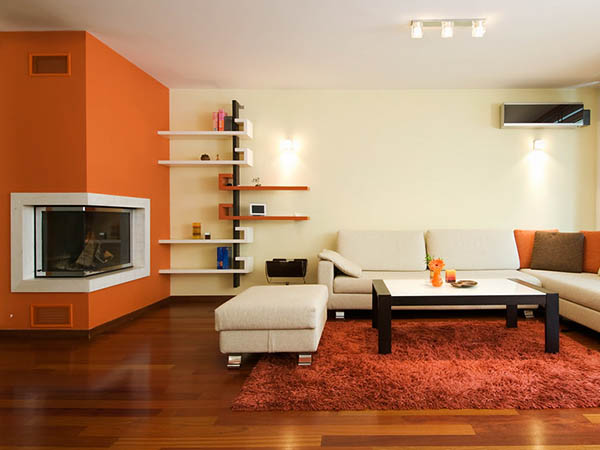
Accent walls can still be an effective design element when used thoughtfully. Instead of choosing an extremely dark or vibrant color, consider selecting a shade that is only slightly deeper than the surrounding walls.
A subtle accent wall can add depth and dimension without making the room feel smaller. This approach works particularly well behind beds, fireplaces, or built-in shelving where it naturally draws the eye.
Maximize Natural and Artificial Light
Color works best when paired with good lighting. Open window treatments during the day to allow natural light to brighten the room, and choose light-filtering curtains if privacy is needed.
In darker areas, use layered lighting with ceiling fixtures, table lamps, and floor lamps to eliminate shadows. Well-lit spaces naturally appear larger, regardless of their actual size.
Selecting light-colored lampshades and reflective finishes can further enhance brightness throughout the room.
Incorporate Mirrors and Reflective Surfaces
Mirrors remain one of the most effective ways to make a room appear larger. Placing a mirror across from a window reflects natural light and creates the illusion of additional space.
Glass tables, metallic finishes, glossy cabinetry, and reflective decorative accents can also help bounce light around the room without adding visual weight.
These elements work especially well in smaller living rooms, bedrooms, entryways, and dining areas.
Draw the Eye Upward
Creating a sense of height makes a room feel more spacious. Vertical design elements, such as striped wallpaper, floor-to-ceiling curtains, tall bookcases, or vertical wall paneling, naturally draw the eye upward.
Painting ceilings a slightly lighter shade than the walls can also make ceilings appear higher, adding to the feeling of openness.
Create a Smooth Flow Between Rooms
Using similar paint colors throughout adjoining rooms creates visual continuity and makes your home feel larger as a whole.
Instead of abrupt color changes from room to room, choose complementary shades that blend naturally together. This creates a seamless transition that helps eliminate visual barriers between spaces.
Open floor plans benefit especially from a consistent color palette that ties each area together.
Limit Bold Patterns and Heavy Contrasts
While bold colors and dramatic patterns can add personality, using too many in a small room can make it feel crowded.
If you enjoy vibrant colors, introduce them through artwork, throw pillows, rugs, or decorative accessories instead of covering entire walls. This allows you to add character while maintaining an open, airy feel.
Keeping larger surfaces neutral gives the eye a place to rest and helps preserve the illusion of space.
Small Design Choices Can Have a Big Impact
Making your home feel larger doesn't always require major remodeling. Thoughtful color choices, strategic lighting, reflective surfaces, and cohesive design elements can dramatically change how a space feels.
By using light colors, creating visual continuity, maximizing natural light, and minimizing visual clutter, you can transform even the smallest rooms into bright, welcoming spaces that feel far more spacious than their actual square footage.
Sometimes, the simplest changes make the biggest difference—and a fresh coat of paint may be all you need to refresh your home completely.