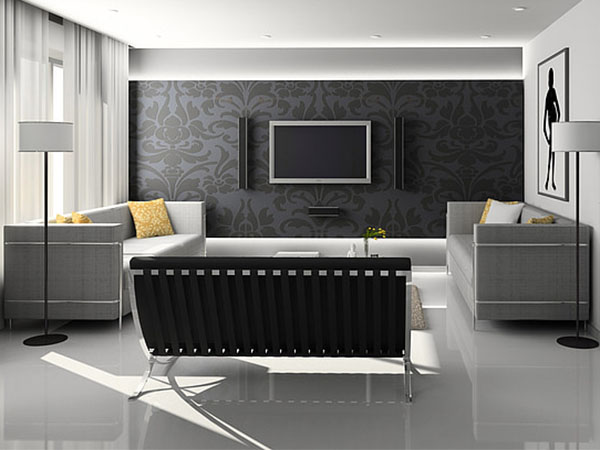
The Power of Symmetry in Interior Design: Creating Balance and Harmony in Your Home
- By the dedicated team of editors and writers at Newsletter Station.
Every element in interior design contributes to the overall look, feel, and functionality of a space. While color, texture, lighting, and furniture selection are often the first things homeowners consider, one design principle can have a powerful impact on how a room feels: symmetry.
Symmetry creates visual balance by arranging elements in a way that feels organized, intentional, and harmonious. Whether you are designing a modern living room, a relaxing bedroom, or an elegant entryway, incorporating symmetry can help transform an ordinary space into one that feels comfortable, polished, and inviting.
The Importance of Visual Balance
Humans naturally respond positively to balance and proportion. Symmetrical spaces often feel calmer and more organized because the eye can easily process the arrangement of objects and design elements.
A room without balance may feel cluttered or chaotic, while a thoughtfully designed symmetrical space can create a sense of:
Stability
Relaxation
Order
Comfort
Sophistication
Symmetry does not mean every item must match perfectly. Instead, it creates a visual relationship between different elements that helps a room feel cohesive.
Creating a Strong Focal Point
Symmetry is an effective way to highlight important features within a room. A focal point naturally draws attention and gives a space a sense of purpose.
Common focal points include:
Fireplaces
Large windows
Artwork
Architectural details
Statement furniture
For example, placing matching chairs on either side of a fireplace or using identical lamps on a console table can frame the focal point and make it stand out.
Adding Elegance and Sophistication
Symmetrical design has long been associated with elegance. Historic architecture, luxury hotels, and classic interiors often use symmetry to create a feeling of refinement and timeless beauty.
Today, symmetry continues to play an important role in both traditional and modern design. A balanced arrangement of furniture, lighting, and décor can make a home feel more intentional and thoughtfully designed.
Combining Symmetry and Asymmetry
While symmetry creates balance, too much symmetry can sometimes make a space feel predictable or overly formal. Modern interior design often combines symmetrical foundations with carefully chosen asymmetrical details to create visual interest.
For example:
A balanced sofa arrangement can be paired with unique artwork.
Different decorative pieces can complement matching nightstands.
A symmetrical room layout can include an unexpected accent chair or colorful accessory.
The goal is to create harmony while allowing personality and creativity to shine.
Using Symmetry in Different Design Styles
Symmetry can work with nearly any interior design style when applied thoughtfully.
Traditional Design
Traditional interiors often rely heavily on symmetry through:
Matching furniture arrangements
Balanced artwork placement
Coordinated accessories
Formal layouts
This approach creates a classic and timeless appearance.
Modern and Contemporary Design
Contemporary spaces may use symmetry more subtly. Clean lines, balanced proportions, and carefully placed décor can create structure without making the room feel too formal.
Minimalist Design
Symmetry is especially effective in minimalist interiors because it reinforces simplicity, organization, and a sense of calm.
Furniture and Accessories Matter
Furniture placement plays a major role in creating symmetry. Arranging similar pieces around a central feature helps establish balance and flow.
Consider using:
Matching chairs on either side of a table
Coordinated lamps on nightstands or consoles
Balanced artwork arrangements
Decorative pairs such as vases, pillows, or accessories
Mirrors can also enhance symmetry by reflecting light, creating depth, and making smaller spaces appear larger.
Symmetry and Room Functionality
Beyond aesthetics, symmetry can improve how a room functions. Balanced furniture placement can create clearer pathways, improve conversation areas, and make spaces feel more comfortable and accessible.
For example, a symmetrical living room arrangement can encourage conversation, while a balanced bedroom layout can create a more peaceful environment.
Create a More Harmonious Home
Symmetry is a powerful interior design tool that can help create spaces that feel balanced, welcoming, and visually appealing. When used thoughtfully, it can highlight architectural features, improve room flow, and add a sense of sophistication.
However, the most successful designs combine structure with personality. By blending symmetry with creative, unexpected elements, homeowners can create spaces that feel both polished and uniquely their own.
Whether you're redesigning one room or refreshing your entire home, consider the power of balance and symmetry to create a more comfortable and beautiful living environment.