How to Avoid Overdecorating Your Home: Simple Tips for a Balanced and Beautiful Space
- By the dedicated team of editors and writers at Newsletter Station.
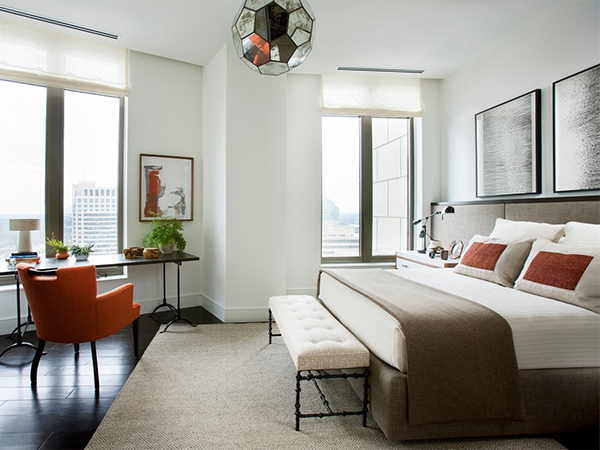
When decorating a home, it's easy to fall in love with beautiful furniture, trendy accessories, and inspiring design ideas. However, adding too many decorative elements can quickly make a space feel cluttered, crowded, and visually overwhelming. The goal of great interior design isn't filling every available space—it's creating a home that feels comfortable, functional, and welcoming.
Achieving the right balance between style and simplicity can help your home feel more spacious, organized, and enjoyable to live in. By taking a thoughtful approach to decorating, you can create a space that reflects your personality without sacrificing comfort or functionality.
Here are some practical tips to help you avoid overdecorating and design a home that feels balanced and inviting.
Start with a Clear Vision
Before purchasing décor items or rearranging furniture, take time to define your overall design goals.
Consider the atmosphere you want to create. Do you prefer a modern, minimalist look, a cozy farmhouse feel, or a classic and elegant design? Having a clear vision helps you make intentional decorating choices and prevents impulse purchases that may not fit your overall style.
Creating a mood board or saving inspiration photos can help keep your design plans focused and cohesive.
Embrace the "Less Is More" Approach
One of the most effective ways to avoid overdecorating is to adopt a mindset that values quality over quantity.
Instead of filling every shelf, tabletop, or wall with decorative items, select a few meaningful pieces that make an impact. Carefully chosen artwork, statement furniture, or unique accessories often stand out more when they have room to breathe.
A simpler design approach can create a more sophisticated and timeless appearance.
Declutter Regularly
Even the most beautifully decorated room can begin to feel overcrowded when clutter accumulates.
Set aside time throughout the year to evaluate your belongings and remove items that no longer serve a purpose or contribute to your home's aesthetic. Decorative items should enhance your space, not compete for attention.
Regular decluttering helps maintain a clean, organized environment while allowing your favorite design elements to stand out.
Stick to a Cohesive Color Palette
Too many competing colors can make a room feel chaotic and disconnected.
Choose a consistent color palette that flows throughout your home. Neutral tones paired with a few accent colors often create a balanced and visually appealing look. Consistency in color helps connect different rooms and creates a sense of harmony throughout the space.
This doesn't mean every room must look identical, but complementary colors can help create a more unified design.
Create Intentional Focal Points
Every room benefits from having a focal point that naturally draws attention.
A fireplace, statement piece of artwork, attractive furniture item, or decorative feature wall can serve as a room's centerpiece. Once you've established a focal point, avoid surrounding it with excessive decorations that compete for attention.
Allowing focal points to stand on their own creates visual balance and gives each room a stronger sense of purpose.
Choose Functional Decorative Elements
The best home décor often combines beauty and functionality.
Look for decorative items that also serve a practical purpose. Attractive storage baskets, decorative shelving, stylish lighting fixtures, and multifunctional furniture can enhance both the appearance and usability of your home.
Functional décor helps reduce clutter while contributing to a polished and organized living space.
Use Patterns Carefully
Patterns can add character, texture, and visual interest to a room, but too many competing patterns can quickly overwhelm a space.
If you enjoy incorporating patterns, choose a few complementary designs and use them strategically through accent pillows, area rugs, curtains, or upholstery. Mixing patterns thoughtfully creates depth without making the room feel busy.
Maintaining balance is key when introducing bold prints and textures.
Appreciate the Power of Negative Space
Negative space refers to the areas intentionally left open and undecorated. While it may seem counterintuitive, empty space is an important design element.
Allowing room between furniture pieces, leaving portions of shelves open, and resisting the urge to fill every wall can make your home feel larger, calmer, and more inviting.
Negative space helps highlight the décor you do choose while preventing visual overload.
Incorporate Natural Elements Thoughtfully
Plants, wood accents, stone textures, and natural materials can bring warmth and life into your home.
However, it's important not to overdo it. A few carefully placed plants or natural décor pieces can have a greater impact than filling every corner with greenery. Thoughtful placement creates balance while maintaining the calming benefits that natural elements provide.
Natural textures also help soften modern spaces and add visual interest without creating clutter.
Edit Before Adding More
Before purchasing new décor, evaluate what you already have.
Ask yourself whether the new item adds something meaningful to the room or simply fills empty space. Sometimes removing an existing item creates a stronger design statement than adding another decorative piece.
Professional designers often edit a room multiple times before achieving the right balance. Adopting the same mindset can help you avoid overcrowding your space.
Creating a beautiful home isn't about filling every corner with decorative items. The most inviting spaces often strike a balance between style, comfort, and functionality. By embracing simplicity, maintaining a cohesive design plan, incorporating meaningful décor, and leaving room for negative space, you can create a home that feels both elegant and relaxing.
Remember, successful decorating is about making intentional choices that reflect your personality while maintaining a sense of balance. When thoughtfully designed, your home can feel more spacious, peaceful, and welcoming for both your family and guests.