Orchid Watering Guide: Simple Tips to Keep Your Orchids Healthy and Blooming
- By the dedicated team of editors and writers at Newsletter Station.
Orchids—often called the “exotic beauties” of the plant world—are among the most elegant and captivating houseplants you can grow. Their vibrant colors, intricate patterns, and graceful shapes have fascinated plant lovers for centuries. While orchids have a reputation for being delicate or difficult to care for, caring for them is easier once you understand their needs—especially when it comes to watering.
Proper watering is one of the most important factors in keeping orchids healthy and encouraging beautiful blooms. Too much water can damage roots, while too little can cause dehydration. The key is learning how orchids naturally grow and adjusting your care routine to match. This guide will help you understand the basics so your orchids can thrive.
Understanding Your Orchid Type
Before adjusting your watering routine, it’s helpful to know what type of orchid you have. There are thousands of orchid species, but most fall into two general categories based on how they grow in nature: epiphytic and terrestrial.
Epiphytic Orchids
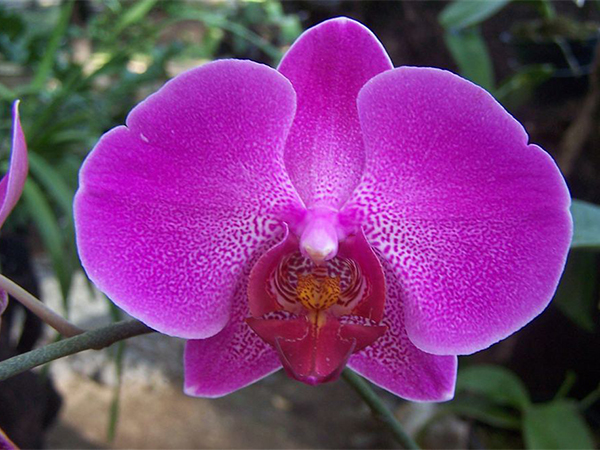
Epiphytic orchids grow attached to trees in their natural tropical environments rather than in soil. Their roots are designed to absorb moisture and nutrients from humid air, rain, and organic debris. Because of this, they prefer excellent drainage and brief watering cycles. Popular houseplant varieties in this category include Phalaenopsis (moth orchids) and Dendrobiums.
Terrestrial Orchids
Terrestrial orchids grow in soil or forest floor debris. Their roots are accustomed to more consistent moisture than those of epiphytic varieties. Common terrestrial orchids include Paphiopedilums (slipper orchids) and Cymbidiums. These types typically prefer slightly more moisture in their growing medium.
Understanding which category your orchid belongs to can help you tailor your watering routine more effectively.
The Basics of Orchid Watering
Once you know your orchid type, following a few simple watering practices can make a big difference in plant health and longevity.
Focus on Moisture, Not a Schedule
Orchids generally prefer to dry out slightly between waterings. Instead of watering on a strict schedule, check the potting mix. Insert your finger about an inch into the growing medium—if it feels dry, it’s time to water. In many homes, orchids need watering roughly once a week, though this can vary depending on humidity and temperature.
Use High-Quality Water
Orchids are sensitive to water quality. Room-temperature filtered water or collected rainwater works best. Water that contains high levels of chlorine, salts, or minerals can build up over time and harm delicate roots.
Try the Soak-and-Drain Method
A popular technique among orchid growers is the soak-and-drain method. Place the orchid pot in a sink or bowl and slowly water the potting mix until water drains from the bottom. This ensures the roots receive adequate moisture while preventing standing water in the pot.
Keep Water Away from the Crown
Avoid letting water sit on the leaves or in the Crown—the center of the plant where new leaves emerge. Moisture trapped there can lead to rot. If water accidentally collects, gently blot it dry with a paper towel.
Maintain Proper Humidity
Most orchids thrive in humidity levels between 40% and 60%. If your home is dry—especially during winter—place the orchid on a humidity tray filled with pebbles and water, or use a small humidifier nearby. Proper humidity helps mimic the orchid’s natural tropical habitat.
Adjust Watering with the Seasons
Like many plants, orchids experience growth cycles. During active growth periods in spring and summer, they may need more frequent watering. In fall and winter, when growth slows, reduce watering slightly to prevent over-saturation.
Choose the Right Pot and Mix
Healthy roots require excellent airflow and drainage. Always use pots with drainage holes and a specialized orchid mix made from bark, moss, or coconut husk. These materials allow water to drain quickly while retaining just enough moisture for the plant.
A Rewarding Plant to Grow
Orchid care can seem intimidating at first, but with a little observation and patience, it quickly becomes an enjoyable hobby. Paying attention to your orchid’s roots, leaves, and growing medium will help you determine exactly when it needs water.
Remember, there’s no one-size-fits-all watering routine for orchids. Different species—and even different home environments—may require slight adjustments. By observing your orchid and maintaining proper watering habits, you can keep it healthy and encourage stunning blooms year after year.
With the right care, these remarkable plants will reward you with elegance, color, and beauty that brighten any home or workspace.