Animal Pollinators: The Essential Partners Behind Thriving Gardens and Ecosystems
- By the dedicated team of editors and writers at Newsletter Station.
Healthy landscapes and productive ecosystems depend on one critical partnership: plants and their pollinators. Animal pollinators play a vital role in plant reproduction, biodiversity, and even our food supply. In fact, a significant portion of flowering plants—and many crops—rely on pollinators to produce seeds and fruit.
From backyard gardens to commercial farms, understanding and protecting pollinators is increasingly important.
Understanding the Pollination Process
Pollination occurs when pollen moves from a flower’s male structure (stamen) to its female structure (pistil). This transfer enables fertilization, leading to seed and fruit production.
While wind and water can assist in pollination, animal pollinators are far more precise and efficient. Their targeted visits increase successful fertilization rates, improving plant yields and genetic diversity.
For small businesses in landscaping, agriculture, or nursery operations, supporting pollinators directly impacts plant health and long-term productivity.
Meet the Key Animal Pollinators
A wide range of animals contribute to pollination. Each species plays a unique and valuable role.
Bees
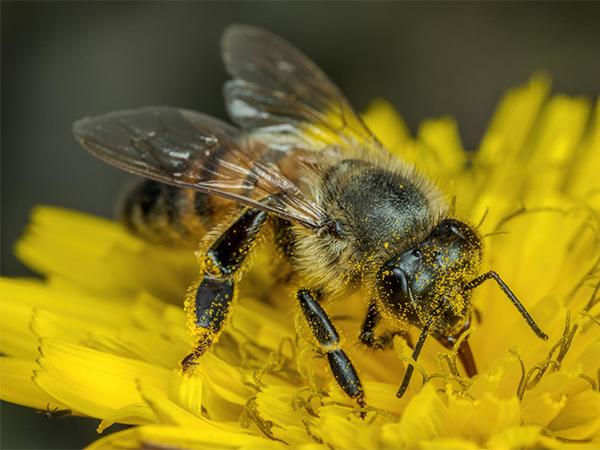
Bees are the most effective and economically important pollinators. Species such as honeybees, bumblebees, and native solitary bees transfer pollen as they collect nectar and pollen for food. Native bees, in particular, are gaining recognition for their efficiency and resilience in local ecosystems.
Butterflies
Butterflies are drawn to brightly colored, nectar-rich flowers. Because they forage for extended periods, they can effectively transfer pollen among multiple plants, thereby supporting garden biodiversity.
Hummingbirds
Primarily found in the Americas, hummingbirds pollinate tubular flowers using their long bills and tongues. As they feed, pollen adheres to their heads and is transported between blooms.
Bats
In tropical and desert regions, bats pollinate night-blooming plants. These nocturnal pollinators are essential for certain fruits and flowering species that rely on evening pollination cycles.
Other Birds
Species such as sunbirds and honeyeaters serve as key pollinators in regions where bees may be less active. Their nectar-feeding habits help sustain native plant populations.
Flies and Other Insects
Flies, beetles, and other insects may not receive as much attention, but they are critical for pollinating certain crops and wild plants—especially those that emit strong scents.
A Mutualistic Partnership
The relationship between plants and pollinators is mutually beneficial. Pollinators obtain nectar and pollen for nourishment, while plants benefit from pollination and genetic exchange. This balance strengthens ecosystems and supports food production systems worldwide.
Modern research continues to highlight the interconnectedness of pollinatorswith soil health, wildlife habitats, and sustainable landscaping practices.
Current Challenges Facing Pollinators
Pollinator populations face growing threats, including:
Habitat loss due to urban development
Climate change is altering bloom cycles
Pesticide exposure
Invasive species and disease
Declines in pollinator numbers affect agricultural yields, ornamental landscapes, and overall ecosystem resilience.
How Businesses and Homeowners Can Help
Supporting pollinators is both environmentally responsible and beneficial for landscape performance. Consider these strategies:
Plant diverse, native flowering species that bloom throughout the growing season
Reduce or eliminate broad-spectrum pesticide use
Incorporate pollinator-friendly habitats in landscape design
Provide water sources and shelter areas
Even small changes in garden and property management practices can make a meaningful difference.
Protecting the Pollination Partnership
Animal pollinators are essential to thriving gardens, farms, and natural landscapes. By understanding their role and taking proactive conservation steps, we help protect biodiversity, strengthen ecosystems, and support sustainable plant growth.
As you admire the beauty of flowering plants, remember the vital pollination work happening behind the scenes. Supporting pollinators isn’t just good stewardship—it’s smart landscape management.