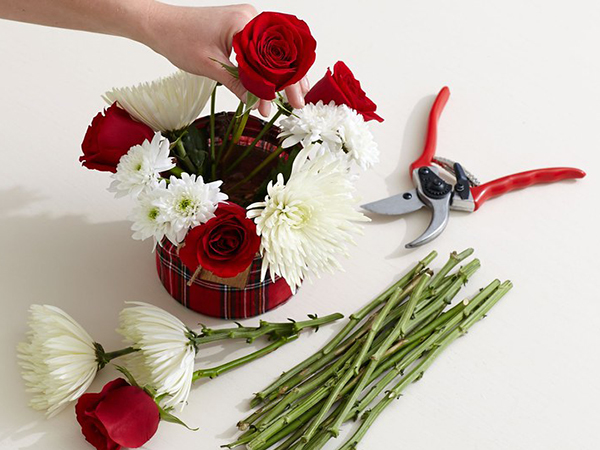
Mastering the Art of Wiring Flower Stems for Stunning Arrangements
- By the dedicated team of editors and writers at Newsletter Station.
Flowers are nature’s masterpieces, and arranging them beautifully is an art practiced for centuries. One essential technique that enhances both the beauty and durability of floral designs is wiring flower stems. This method provides structure, support, and creative flexibility, ensuring delicate blooms maintain their shape and extend their lifespan.
Whether crafting wedding bouquets, centerpiece arrangements, or decorative displays, wiring opens a world of possibilities for both amateur and professional florists.
Why Wire Flower Stems?
Wiring flower stems offers multiple benefits:
Improved Control: Wiring allows precise shaping and positioning of each flower, creating balanced, harmonious arrangements.
Support for Delicate Blooms: Fragile or top-heavy flowers, such as roses, orchids, or calla lilies, gain added stability, preventing premature drooping.
Longevity: Wired stems improve water absorption, keeping flowers hydrated and fresh longer.
Enhanced Creativity: Wiring enables intricate designs, natural curves, and unique arrangements that would be challenging otherwise.
Materials You’ll Need
Before starting, gather these essential tools:
Floral wire: Varying gauges for different stem sizes.
Floral tape: Secures wire and provides a polished finish.
Wire cutters: For clean cuts on wire and stems.
Flowers: Delicate or top-heavy blooms work best.
Foliage: Adds depth, accents, and framing.
Water source: Keeps flowers hydrated while working.
Step-by-Step Guide to Wiring Flower Stems
Step 1: Select Your Flowers
Choose blooms that benefit from wiring, like roses, orchids, or calla lilies.
Step 2: Prepare Your Materials
Cut floral wire to the proper length, typically 5–8 inches, depending on stem size and support needed.
Step 3: Insert the Wire
Gently push the wire into the base of the stem, avoiding damage to the bloom. Ensure stability without crushing the stem.
Step 4: Secure with Floral Tape
Wrap floral tape from the flower head down the stem, slightly overlapping to securethe wire firmly.
Step 5: Shape and Arrange
Bend and position flowers as desired. Create curves, natural bends, and harmonious alignment with other elements.
Step 6: Incorporate Foliage
Wire and tape small foliage sections as accents or fillers to add depth and dimension to your arrangement.
Tips for Success
Practice patience—delicate stems require gentle handling.
Use appropriate wire gauges to avoid damaging flowers.
Hydrate flowers regularly during the process to maintain freshness.
Combine wiring with floral foam or supportive structures for larger displays.
Mastering wiring techniques allows you to create durable, visually stunning arrangements that showcase nature’s beauty. With the right materials, practice, and a creative eye, your floral designs can achieve professional-level elegance and longevity.