12 Best Flowers to Grow from Seeds and How to Start Them
- By the dedicated team of editors and writers at Newsletter Station.
Growing flowers from seeds is a rewarding, budget-friendly way to fill your garden with color, fragrance, and life. Watching a seed transform into a full bloom is a satisfying experience for gardeners of all skill levels. Whether you’re planting in a backyard garden, raised beds, or containers on a balcony, starting from seeds allows flexibility, creativity, and control over your garden’s design.
Here are 12 top flowers to grow from seeds, along with practical tips to ensure successful germination and growth.
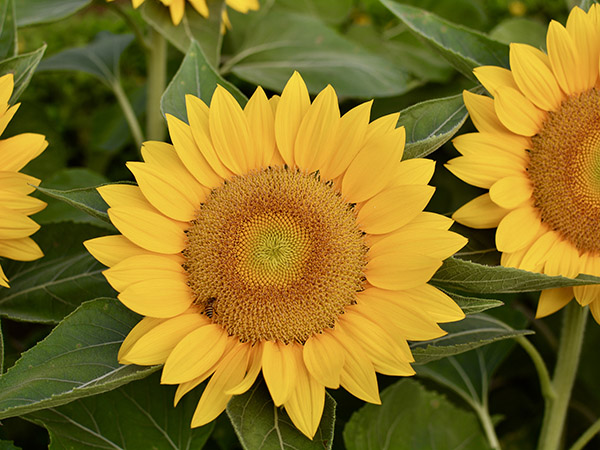
Sunflowers (Helianthus annuus)
Sunflowers are iconic, cheerful blooms that are easy to grow from seeds. Their towering stems and large, golden heads make them perfect for focal points or background plantings.
Marigolds (Tagetes spp.)
Marigolds offer vibrant yellow and orange flowers and naturally repel pests, making them ideal for borders, containers, and companion planting with vegetables.
Zinnias (Zinnia elegans)
Zinnias thrive in sunny locations, offering bright, daisy-like blooms in many colors. They’re excellent for cut flowers and attract butterflies and pollinators.
Cosmos (Cosmos bipinnatus)
Cosmos have delicate, fern-like foliage and colorful, daisy-like flowers that attract pollinators. Their airy form adds elegance and movement to any garden.
Nasturtiums (Tropaeolum majus)
Nasturtiums have edible flowers with a peppery flavor, vibrant blooms, and trailing or climbing habits. They’re perfect for containers, trellises, or ground cover.
Bachelor’s Button (Centaurea cyanus)
Also called cornflowers, these blue, pink, or white flowers are charming, low-maintenance, and attract butterflies. They’re great for wildflower gardens and cut arrangements.
Poppies (Papaver spp.)
Poppies provide striking, delicate blooms, including the large, showy oriental varieties. They add a pop of color and are ideal for cottage or perennial gardens.
Sweet Peas (Lathyrus odoratus)
Sweet peas offer fragrant flowers in a range of colors. They’re perfect for trellises or fences and make excellent cut flowers for bouquets.
Lupines (Lupinus spp.)
Lupines feature tall spikes of pea-like flowers in blues, purples, and pinks. They’re excellent for cottage-style gardens and attracting pollinators.
Asters (Aster spp.)
Asters bloom late in the season, adding color when other flowers fade. Their daisy-like flowers attract bees and butterflies, extending your garden’s vibrancy.
Morning Glories (Ipomoea spp.)
Fast-growing climbers with trumpet-shaped flowers, morning glories thrive on trellises, fences, or arbors, providing vertical interest and color.
California Poppies (Eschscholzia californica)
Drought-tolerant and low-maintenance, California poppies offer bright orange blooms and are ideal for sunny, dry areas or xeriscaping.
Tips for Successfully Growing Flowers from Seeds
Prepare the Soil: Ensure well-draining soil enriched with organic matter or compost for optimal germination.
Follow Seed Packet Instructions: Plant at recommended depths, spacing, and sunlight conditions for each flower variety.
Provide Adequate Water: Keep soil consistently moist but avoid waterlogging, especially during germination.
Thin Seedlings: Reduce overcrowding by thinning seedlings to the recommended spacing once they sprout.
Protect from Pests: Use organic methods like neem oil, row covers, or natural repellents to safeguard young plants.
Start Indoors for Early Blooms: For cooler climates, start seeds indoors 6–8 weeks before the last frost to extend the growing season.
Label Seedlings: Keep track of varieties, especially when growing multiple species together, to organize care and placement.
Growing flowers from seeds allows you to enjoy the full life cycle of plants while adding vibrant colors, textures, and fragrances to your garden. With careful planning, proper soil preparation, and consistent care, you can create a thriving garden full of blooms that suit any style, from formal borders to casual cottage landscapes.
So grab your seeds, soil, and containers, and enjoy the satisfaction of nurturing these 12 beautiful flowers from tiny seeds into stunning, flourishing plants.