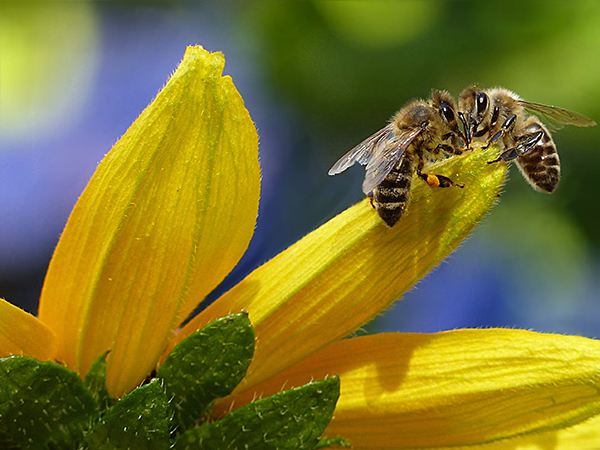
Bee-Friendly Flowers: How to Create a Pollinator Garden That Supports Bees
- By the dedicated team of editors and writers at Newsletter Station.
Bees are essential to our ecosystem, playing a critical role in pollinating plants that produce fruits, vegetables, and nuts. In fact, much of the food we enjoy daily—such as apples, almonds, and blueberries—depends on healthy bee populations.
Unfortunately, bees are facing increasing challenges due to habitat loss, pesticide exposure, climate change, and reduced forage areas. The good news is that homeowners and gardeners can make a meaningful difference by creating bee-friendly gardens filled with nectar-rich flowers.
Here are some of the best flowers you can plant to attract and support bees while enhancing your garden’s beauty.
Lavender (Lavandula spp.)
Lavender is a top choice for pollinator gardens thanks to its fragrant, nectar-rich blooms. Bees are especially attracted to its purple flowers.
It thrives in full sun and well-drained soil, making it a low-maintenance, drought-tolerant option that adds both beauty and function to your landscape.
Sunflowers (Helianthus annuus)
Sunflowers are a classic favorite for bees due to their large, open flower heads filled with pollen and nectar.
They are easy to grow, fast to bloom, and ideal for both home gardens and larger landscapes. Plus, they add a cheerful, seasonal burst of color.
Coneflowers (Echinacea spp.)
Coneflowers are hardy perennials that provide long-lasting blooms from summer into fall.
Their central cones are rich in nectar, making them highly attractive to bees and other pollinators. They also require minimal maintenance once established.
Bee Balm (Monarda spp.)
True to its name, bee balm is a pollinator powerhouse. Its tubular flowers are packed with nectar and come in vibrant shades of red, pink, and purple.
It also attracts butterflies and hummingbirds, making it a great choice for biodiversity.
Salvia (Salvia spp.)
Salvia varieties are highly attractive to bees due to their upright flower spikes and abundant nectar supply.
They are drought-tolerant, heat-resistant, and available in a wide range of colors, making them a versatile addition to modern and traditional gardens alike.
Native Wildflowers
Native wildflowers are among the most effective plants for supporting local bee populations because they are naturally adapted to regional pollinators.
Depending on your area, options may include black-eyed Susans, milkweed, asters, and coreopsis. Local native plant nurseries can help you choose the best species for your region.
Marigolds (Tagetes spp.)
Marigolds are easy-to-grow annuals that help attract bees while naturally repelling certain garden pests.
They are especially useful in vegetable gardens, where they can support both pollination and pest management.
Butterfly Bush (Buddleia spp.)
Butterfly bush produces long, fragrant flower clusters that attract bees, butterflies, and other beneficial insects.
It blooms throughout the growing season and provides a reliable nectar source, making it a strong anchor plant for pollinator gardens.
Tips for a Bee-Friendly Garden
To maximize your garden’s impact on pollinators:
Plant in clusters to make flowers easier for bees to locate
Choose a mix of early, mid, and late-season bloomers
Avoid or minimize pesticide use
Provide shallow water sources for hydration
Prioritize native and drought-tolerant plants when possible
Creating a bee-friendly garden is a simple yet powerful way to support pollinator health and strengthen local ecosystems. By planting nectar-rich flowers and choosing diverse, seasonal blooms, you can turn your outdoor space into a thriving habitat for bees.
In return, you’ll enjoy a more vibrant, colorful, and productive garden that contributes to a healthier environment for years to come.