The Power of Deadheading: A Simple Technique for a Healthier, More Colorful Garden
- By the dedicated team of editors and writers at Newsletter Station.
When cultivating a vibrant and flourishing garden, deadheading is a practice that should never be overlooked. Deadheading involves removing spent or faded flowers from plants to encourage new blooms and maintain a tidy, attractive appearance.
This simple habit can make a noticeable difference, helping your garden stay colorful, healthy, and productive throughout the growing season.
In this post, we’ll explore the science behind deadheading, its key benefits, and practical techniques you can easily incorporate into your regular gardening routine.
The Science Behind Deadheading
Deadheading isn’t just a traditional gardening tip—it’s rooted in plant biology. Flowering plants are naturally programmed to reproduce by forming seeds. Once a flower fades and begins producing seeds, the plant redirects energy away from blooming and toward seed development. This often leads to fewer flowers and reduced visual appeal.
By removing spent blooms before seeds form, you signal to the plant that its reproductive cycle isn’t complete. As a result, the plant channels its energy back into producing new buds and flowers, extending the blooming period and improving overall performance.
Benefits of Deadheading
Prolonged Blooming
Regular deadheading encourages plants to produce flowers continuously. As old blooms are removed, new buds develop, keeping your garden lively and colorful for longer.
Improved Garden Appearance
Removing wilted flowers instantly refreshes your garden. Clean, blooming plants create a polished, well-maintained landscape that remains visually appealing throughout the season.
Healthier Plants
Faded flowers can attract pests and encourage disease. Prompt removal helps reduce these risks, supporting stronger, healthier plants with fewer problems.
Stronger Growth
Deadheading helps plants focus on foliage and root development instead of seed production. This often results in sturdier stems, fuller growth, and improved resilience.
Common Deadheading Techniques
Pinching
For soft-stemmed plants like petunias or snapdragons, gently pinch off faded flowers with your fingers. This method encourages branching, which often leads to more blooms.
Pruning Tools
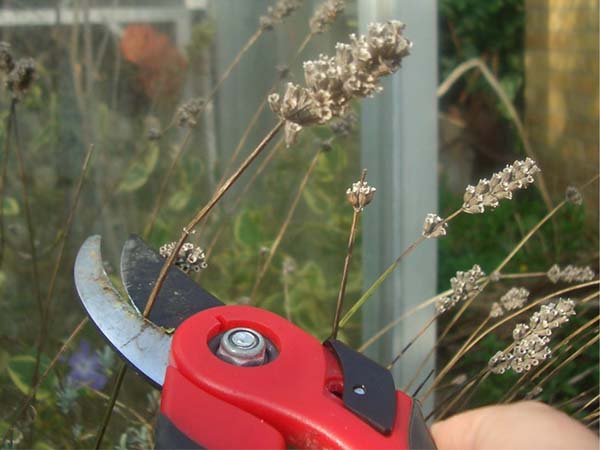
Woody or thick-stemmed plants, such as roses or daisies, benefit from clean, sharp pruning shears or scissors. Cut just above a healthy leaf node to promote new growth.
Selective Removal
When plants have clusters of flowers, remove only the spent blooms. This preserves healthy buds while keeping the plant looking neat.
Helpful Deadheading Tips
Inspect regularly: Make deadheading part of your weekly garden routine for best results.
Choose the right time: Early morning or late afternoon is ideal, as cooler temperatures reduce plant stress.
Dispose properly: Remove spent blooms from the garden to prevent pest or disease problems. Compost them if they’re healthy and disease-free.
Deadheading is a simple yet powerful gardening technique that enhances both the beauty and vitality of your plants. With a basic understanding of why it works and how to do it properly, you can enjoy longer-lasting blooms and a healthier garden with minimal effort.
Embrace the practice of deadheading, and you’ll be rewarded with vibrant color, lush growth, and the satisfaction of nurturing a garden that thrives all season long.