How to Welcome Wildflowers Into Your Garden for Natural Beauty and Biodiversity
- By the dedicated team of editors and writers at Newsletter Station.
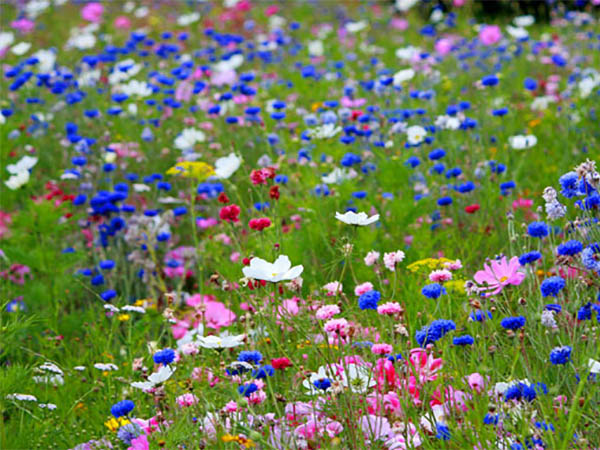
There’s a certain magic that comes with wildflowers—an untamed elegance that captures the essence of nature’s beauty. Imagine stepping into a garden that mirrors a meadow, where blooms sway gently in the breeze and paint your landscape with vibrant, effortless color.
Today, wildflower gardening is experiencing a resurgence as homeowners embrace sustainable landscapes, pollinator support, and low-maintenance design. In this guide, we’ll explore how to welcome wildflowers into your garden, the benefits they bring, and simple steps to help them thrive.
The Allure of Wildflowers
Wildflowers bring a sense of authenticity and simplicity that cultivated varieties sometimes lack. Their natural charm evokes a world where nature designs freely, creating landscapes that feel organic, relaxed, and uniquely beautiful. Wildflowers are also hardy survivors—adapted to local climates and soils, they thrive with minimal water, fertilizer, or attention. For gardeners seeking beauty without fuss, they are the perfect choice.
Benefits of Wildflowers
Biodiversity
Wildflowers support healthy ecosystems by providing essential habitat and food for bees, butterflies, birds, and beneficial insects. Adding wildflowers to your garden strengthens local biodiversity and helps offset habitat loss.
Low Maintenance
Because wildflowers are adapted to the natural environment, they require far less watering, pruning, and oversight than many traditional garden plants. They’re ideal for busy homeowners or those seeking a more hands-off garden.
Environmental Impact
Wildflower gardens reduce reliance on irrigation, fertilizers, and pesticides. By choosing native varieties, you help conserve resources, lower your carbon footprint, and support more resilient landscapes.
Natural Beauty
With diverse colors, textures, and organic growth patterns, wildflowers create lively visual interest throughout the seasons. Their imperfections and spontaneity add charm and character to every outdoor space.
Creating a Wildflower Haven
Choose Native Varieties
Start with native wildflowers suited to your region’s climate, rainfall, and Soil. Popular options include Black-eyed Susans, Coneflowers, Lupines, Asters, and Milkweed—many of which are pollinator magnets.
Prepare the Soil
While wildflowers can thrive in lean Soil, prepping the area increases early success. Remove competing weeds, lightly loosen the topsoil, and add a small amount of compost if needed. Good seed-to-soil contact is essential.
Embrace Natural Arrangement
Wildflower gardens look best when they mimic nature—Scatter seeds or plant in loose clusters, mixing heights, textures, and colors. Avoid rigid symmetry—let the garden grow with gentle, organic movement.
Plan for Seasonal Interest
Choose a combination of early-, mid-, and late-season bloomers to ensure continuous color—pair perennials for long-term structure with annual wildflowers for quick, vibrant impact.
Practice Minimal Intervention<
Once established, wildflowers need little care. Water during prolonged drought, remove invasive weeds, and allow seedheads to remain for wildlife. Many wildflowers will reseed naturally, keeping your garden full year after year.
Let Nature Lead the Way
Welcoming wildflowers into your garden is more than a design choice—it’s an invitation to reconnect with nature. Their raw beauty, resilience, and ecological benefits enrich your outdoor space in meaningful ways.
As your garden transforms into a thriving haven for pollinators and wildlife, you’ll enjoy a landscape that’s both stunning and sustainable. So let the wildflowers bloom, relax into the rhythm of nature, and watch your garden come alive with untamed color and life.