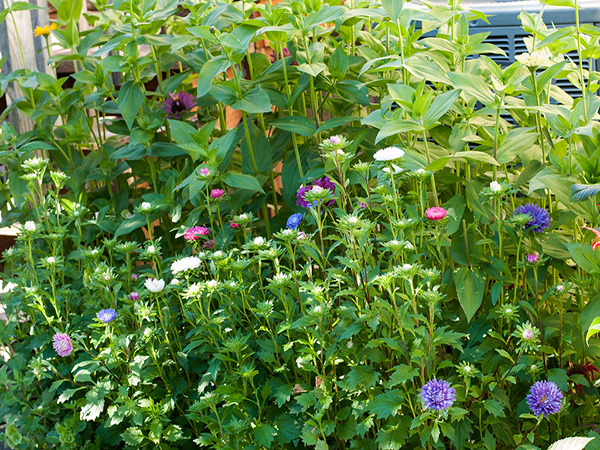
Designing a Cutting Garden: How to Grow Flowers for Beautiful Bouquets Year-Round
- By the dedicated team of editors and writers at Newsletter Station.
Gardening is more than growing plants—it’s about creating a living space filled with color, fragrance, and seasonal beauty. A cutting garden is a purposeful way to bring that beauty indoors, giving you a steady supply of fresh flowers for arrangements while keeping your main landscape looking full and vibrant.
A cutting garden is designed specifically for harvesting blooms. With thoughtful planning, you can enjoy fresh bouquets throughout the growing season without sacrificing the visual appeal of your outdoor garden.
Below are the essential steps to help you design and maintain a successful cutting garden.
Step 1: Choose the Right Location
Select a location that receives at least 6–8 hours of direct sunlight daily. Most flowering plants thrive in full sun and produce stronger blooms with adequate light.
Good drainage is also essential to prevent root rot and waterlogged soil. If possible, choose a spot near a water source to make regular watering more convenient during dry periods.
Step 2: Define Your Garden Space
Decide whether your cutting garden will be a dedicated plot, raised beds, or integrated rows within an existing garden. Raised beds are especially popular for cutting gardens because they improve drainage and make harvesting easier.
The size of your garden should reflect both your available space and the number of flowers you want to grow. Even a small area can yield abundant blooms with proper planning.
Step 3: Select a Diverse Mix of Flowers
Choose a mix of annuals and perennials to ensure continuous blooms from spring through fall. Annuals provide fast, abundant flowers, while perennials return year after year.
Popular cutting garden flowers include roses, zinnias, dahlias, peonies, sunflowers, cosmos, and snapdragons. For best results, select varieties with long stems and repeat-blooming habits to maximize harvest potential.
Step 4: Plan a Functional and Attractive Layout
Arrange taller plants toward the back or center (if accessible from all sides), and shorter varieties along the edges. This ensures easy access for harvesting and creates a visually balanced garden design.
Consider color themes when planning—soft pastel palettes create a calming look, while bold, contrasting colors deliver high-impact floral arrangements.
Step 5: Prepare Soil and Plant Strategically
Healthy soil is the foundation of any successful cutting garden. Enrich your soil with compost or well-rotted organic matter to improve fertility, drainage, and structure.
Follow spacing guidelines for each plant to allow proper airflow and reduce disease risk. Adding mulch helps retain moisture, regulate soil temperature, and suppress weeds throughout the season.
Step 6: Maintain Consistent Care
Regular maintenance keeps your cutting garden productive. Water deeply but avoid overwatering, ensuring the soil stays evenly moist.
Deadhead spent blooms frequently to encourage continuous flowering. Feed plants with a balanced fertilizer during the growing season, and monitor regularly for pests or disease to address issues early.
Step 7: Harvest Flowers the Right Way
For the longest vase life, harvest flowers early in the morning or late in the evening when temperatures are cooler. Use clean, sharp pruning shears to avoid damaging stems.
Place cut flowers immediately into clean water to preserve freshness. Harvesting regularly also encourages many plants to produce even more blooms.
Step 8: Arrange and Enjoy Your Blooms
Experiment with different vase styles, textures, and color combinations to highlight your garden’s variety. Mixing focal flowers with filler greenery creates professional-looking arrangements at home.
Sharing bouquets with friends or decorating your home adds even more enjoyment to the gardening experience.
Bonus Tips for a More Productive Cutting Garden
Practice succession planting by sowing seeds every few weeks for continuous blooms
Incorporate pollinator-friendly flowers to attract bees and butterflies
Keep a simple planting calendar to track bloom times and improve yearly planning
A cutting garden is both practical and rewarding, offering a steady supply of fresh flowers while enhancing your outdoor space. With thoughtful design and consistent care, you can enjoy a season-long display of color and creativity right from your own backyard.