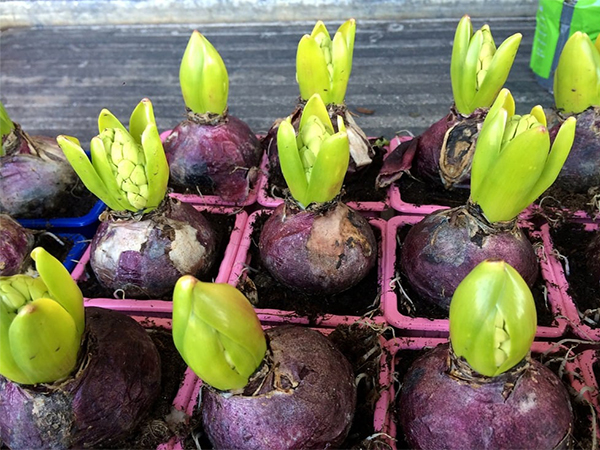
How to Force Flower Bulbs Indoors for Early Spring Blooms
- By the dedicated team of editors and writers at Newsletter Station.
When winter’s cold weather keeps gardens dormant, many plant lovers start dreaming about the bright colors and fresh fragrances of spring. Fortunately, you don’t have to wait for warmer weather to enjoy blooming flowers. By forcing flower bulbs indoors, you can bring beautiful spring blossoms into your home weeks or even months before they would naturally bloom outdoors.
Forcing bulbs is a simple and rewarding indoor gardening project that adds color, fragrance, and life to your home during the colder months. With the right bulbs, proper preparation, and a little patience, you can create a cheerful indoor display that brightens any room.
What Is Forcing Flower Bulbs?
“Forcing” bulbs means recreating the environmental conditions that trigger spring growth. In nature, many bulbs require a period of cold winter temperatures followed by warmth and light to bloom. By mimicking those conditions indoors, gardeners can encourage bulbs to bloom earlier than they normally would.
This process is popular among home gardeners because it’s relatively easy and produces beautiful results with minimal space or equipment.
Choosing the Right Bulbs for Forcing
Not all bulbs perform equally well indoors, so selecting the right varieties is an important first step.
Some of the most reliable bulbs for indoor forcing include:
Tulips
Daffodils (especially paperwhites)
Hyacinths
Crocuses
Muscari (grape hyacinths)
Amaryllis
When purchasing bulbs, choose large, firm bulbs without soft spots, mold, or bruising. Larger bulbs typically produce stronger stems and more impressive blooms.
Many garden centers now sell “pre-chilled” bulbs, which have already undergone the required cold treatment and are ready to plant immediately.
The Chilling Period: Mimicking Winter
Most spring bulbs require a period of cold dormancy before they will grow and flower. This chilling stage simulates the natural winter conditions bulbs experience in the ground.
Typically, bulbs require 10 to 16 weeks of cold temperatures, depending on the variety. During this time, the bulbs develop root systems and prepare for flowering.
You can chill bulbs in several locations, such as:
A refrigerator
An unheated garage
A root cellar or basement
Any cool, dark area that stays between 35°F and 48°F (1.5°C to 9°C)
If using a refrigerator, avoid storing bulbs near fresh fruit, as the fruit emits ethylene gas that can damage developing flowers.
Potting and Planting Your Bulbs
After the chilling period is complete, it’s time to plant your bulbs and encourage them to grow.
Follow these basic planting steps:
Choose the Right Container
Select pots with drainage holes to prevent water buildup. Shallow containers work well for most bulbs.
Use Quality Potting Mix
A well-draining potting soil is essential. Bulbs dislike overly wet soil, which can lead to rot.
Plant the Bulbs
Place bulbs close together with the pointed tips facing upward. Generally, plant them about twice as deep as the bulb’s height. For indoor displays, bulbs can be spaced fairly closely to create a fuller appearance.
After planting, water the soil thoroughly to settle it around the bulbs.
Encouraging Healthy Growth Indoors
Once planted, bulbs need the right indoor conditions to grow strong stems and vibrant flowers.
Temperature
Place containers in a cool area around 50–60°F (10–15.5°C) during early growth. Cooler temperatures help prevent weak, stretched stems.
Light
When shoots begin to appear, gradually move the plants to bright, indirect light. A sunny windowsill works well, but avoid harsh direct sunlight at first.
Watering
Keep the soil consistently moist but not soggy. Good drainage is essential to prevent bulb rot.
Fertilizing
While bulbs contain stored nutrients, a light application of balanced liquid fertilizer every few weeks can support healthy growth, particularly if you plan to reuse the bulbs later.
Enjoying Your Indoor Spring Garden
One of the most rewarding parts of forcing bulbs is watching them gradually grow and bloom. Depending on the variety, flowering typically occurs two to four weeks after shoots appear.
To extend the life of the blooms:
Keep plants in a cool room away from heat vents.
Provide bright but indirect light.
Rotate pots occasionally so stems grow evenly.
These simple steps can help your flowers last longer and maintain their vibrant appearance.
Caring for Bulbs After Blooming
Once the flowers fade, you may be able to keep the bulbs for future planting.
Remove spent blooms to prevent energy from being diverted to seed production. Continue watering while the leaves remain green so the plant can store energy for future growth.
Eventually, the foliage will yellow and die back naturally. At that point, watering can stop.
Some bulbs, like daffodils and crocuses, can often be planted outdoors after blooming and may return in future seasons. Others, like many forced tulips, may not rebloom as reliably.
Bring a Touch of Spring Indoors
Forcing flower bulbs is an enjoyable way to bring the beauty of spring indoors during the colder months. With just a few containers, quality bulbs, and proper care, you can enjoy colorful blooms and refreshing fragrance long before outdoor gardens awaken.
Whether you’re brightening your home, decorating for the season, or simply indulging your love of gardening, forcing bulbs offers a simple way to enjoy nature’s beauty year-round.