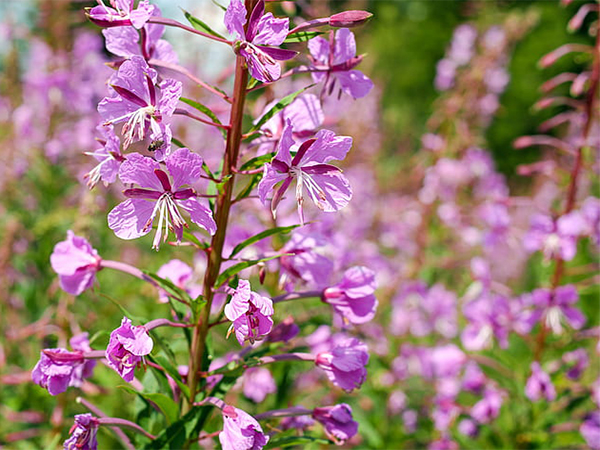
Perennial Plant Care: When and How to Cut Back for Healthier Growth
- By the dedicated team of editors and writers at Newsletter Station.
Perennial plants are the backbone of many gardens, offering beauty, diversity, and continuity year after year. One essential task for maintaining a thriving perennial garden is knowing when and how to cut back these plants.
While the process may seem simple, timing and technique are crucial for ensuring plant health and encouraging vigorous growth in the next growing season.
This guide explores why cutting back perennials is essential, the best times to do it, and practical steps for proper pruning.
Why Cut Back Perennial Plants?
Cutting back perennials serves multiple purposes that support plant health, aesthetics, and overall garden vitality:
Renewal and Growth
Trimming back old or dead growth allows the plant to redirect energy toward new shoots, stronger roots, and fuller foliage, resulting in healthier and more vigorous growth.
Aesthetic Appeal
Removing spent flowers and stems keeps the garden looking tidy and visually appealing. Clean edges and well-maintained shapes enhance the overall beauty of the landscape.
Disease and Pest Prevention
Old or decaying plant material can harbor pests and pathogens that overwinter and reappear in the next growing season. Cutting back reduces these risks.
Encouraging Additional Flowering
Many perennials, including asters, mums, and certain salvias, respond positively to post-bloom cutting, which can promote a second round of flowers later in the season.
When to Cut Back Perennial Plants
Timing depends on the plant type, flowering schedule, and local climate:
Fall or Early Spring
Some perennials can be cut down in the fall after dormancy or in early spring before new growth begins. Fall pruning can leave attractive dried stems and seed heads for winter interest, but in areas with harsh winters, early spring pruning is often safer.
After Flowering
For spring- or early-summer bloomers like peonies and irises, cut back stems once blooms fade to allow energy to focus on root development for next year.
Late Summer or Early Fall
Late-blooming perennials, such as sedums, asters, and coneflowers, benefit from pruning after flowering to encourage new growth and sometimes a second round of blooms.
How to Cut Back Perennial Plants
Proper technique ensures the health and longevity of your perennials:
Gather the Right Tools
Use clean, sharp pruners or garden shears. Dull tools create ragged cuts, increasing susceptibility to disease.
Assess the Plant
Identify dead, diseased, or damaged stems and remove them carefully to prevent spreading problems.
Cut at the Appropriate Height
Typically, cut stems a few inches above ground level. Leave some foliage near the crown to protect it during winter and retain subtle visual interest.
Dispose of Debris Properly
Collect and remove cuttings, as debris can harbor pests or disease. Healthy material can be composted, but discard diseased stems to avoid contamination.
Additional Tips for a Thriving Perennial Garden
Know Your Plants: Research specific species, as some may require unique cutting schedules or techniques.
Seasonal Mulching: After pruning, apply mulch to protect roots and conserve moisture.
Regular Observation: Inspect plants for pests and diseases throughout the season to address issues early.
Encourage Pollinators: Leaving some late-season blooms or seed heads can support bees, birds, and other beneficial wildlife.
Cutting back perennial plants is essential for promoting healthy growth, preventing disease, and maintaining a visually appealing garden. By following proper timing and pruning techniques, gardeners can ensure their perennials flourish year after year. With care, attention, and a little planning, your perennial garden can remain vibrant, resilient, and full of seasonal beauty for years to come.