Beautiful Purple Perennials to Add Lasting Color to Your Garden
- By the dedicated team of editors and writers at Newsletter Station.
Purple flowers bring timeless beauty, elegance, and depth to any landscape. From soft lavender shades to bold violet blooms, purple perennials create eye-catching garden displays that return year after year with minimal effort. Whether you’re designing a cottage garden, a pollinator-friendly landscape, or a colorful backyard retreat, purple-flowering perennials offer versatility, fragrance, and long-lasting appeal.
Perennials are especially popular among gardeners because they come back each growing season, reducing the need for annual replanting while delivering reliable color and texture. In this guide, we’ll explore some of the best purple perennials to help you create a vibrant and low-maintenance outdoor space.
Why Choose Purple Perennials?
Purple flowers are often associated with creativity, calmness, and sophistication. In garden design, they pair beautifully with white, pink, yellow, and silver-toned plants, making them easy to incorporate into almost any landscape style.
Purple perennials also provide several practical benefits:
Return year after year with proper care
Attract pollinators like bees, butterflies, and hummingbirds
Add seasonal color and texture
Require less maintenance than annual flowers
Offer a variety of bloom times for extended garden interest
By selecting a mix of early, mid, and late-season bloomers, you can enjoy purple flowers from spring through fall.
Top Purple Flowering Perennials for Your Garden
Lavender (Lavandula spp.)
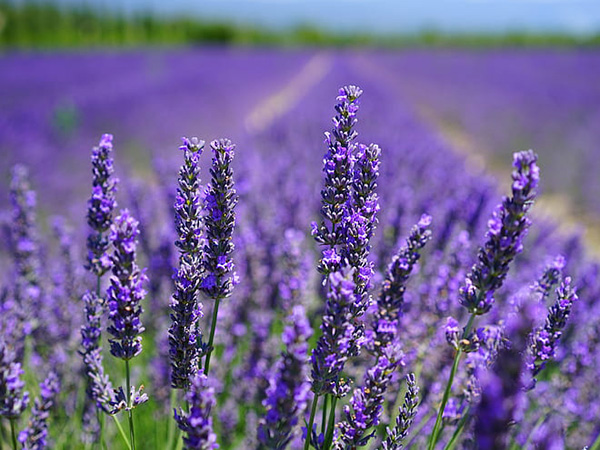
Lavender remains one of the most beloved purple perennials for home gardens. Known for its soothing fragrance and soft purple flower spikes, lavender thrives in sunny locations with well-drained soil.
Popular varieties such as English lavender and French lavender offer slightly different shades, fragrances, and growth habits. Beyond its beauty, lavender is also valued for attracting pollinators and supporting beneficial insects.
Coneflowers (Echinacea spp.)
Coneflowers are hardy native perennials prized for their vibrant purple-pink blooms and drought tolerance. Their daisy-shaped flowers with raised centers add texture and movement to flower beds throughout summer.
Varieties like Purple Coneflower and PowWow Wild Berry are excellent choices for pollinator gardens and cut flower arrangements. In addition, coneflowers are known for their resilience in a wide range of climates.
Salvia (Salvia spp.)
Salvias are a favorite among gardeners looking for dramatic flower spikes and long bloom periods. Purple salvia varieties such as Caradonna and May Night produce deep violet blooms that stand out beautifully against green foliage.
These easy-care perennials are also highly attractive to hummingbirds, bees, and butterflies, making them ideal for wildlife-friendly gardens.
Russian Sage (Perovskia atriplicifolia)
Russian sage offers an airy, elegant appearance with silvery foliage and lavender-blue flowers that bloom for weeks during summer and early fall. Although technically not a true sage, it performs exceptionally well in hot, dry conditions.
Its soft purple tones pair wonderfully with ornamental grasses and other drought-tolerant plants, making it a popular choice for modern and xeriscape gardens.
Catmint (Nepeta spp.)
Catmint is a reliable, low-maintenance perennial that produces clusters of soft purple-blue flowers over a long blooming season. Varieties like Walker’s Low are especially popular for borders and pathways.
In addition to being drought-tolerant once established, catmint creates a relaxed cottage-garden feel and attracts pollinators throughout the growing season.
Balloon Flower (Platycodon grandiflorus)
Balloon flowers add a playful, unique touch to perennial gardens. Their balloon-shaped buds slowly open into star-shaped purple blooms, adding texture and charm to flower beds.
Cultivars like Astra Blue and Fuji Blue are compact, colorful options that work well in containers, borders, and mixed perennial gardens.
Iris (Iris spp.)
Irises are classic perennials admired for their elegant blooms and striking sword-like foliage. Deep purple varieties, including Bearded Iris and Siberian Iris, create bold focal points in spring and early summer gardens.
These perennials are available in many shades of purple, from soft lilac to rich royal violet, allowing gardeners to create dramatic visual contrast in landscape designs.
Tips for Growing Healthy Purple Perennials
To keep your purple perennials thriving year after year, follow these simple gardening tips:
Plant in locations with appropriate sunlight requirements
Improve drainage with compost or organic matter
Water deeply during dry periods, especially in the first growing season
Deadhead spent blooms to encourage repeat flowering
Divide overcrowded perennials every few years for healthier growth
Add mulch to help retain moisture and reduce weeds
Choosing native or climate-adapted varieties can also improve long-term success while reducing maintenance needs.
Create a Stunning Purple Garden Display
One of the easiest ways to elevate your landscape design is by layering purple perennials with complementary colors and textures. Pair lavender with white daisies, combine salvia with ornamental grasses, or mix coneflowers with yellow black-eyed Susans for a vibrant cottage-style garden.
By blending plants with varying heights, bloom times, and foliage textures, you can create a visually dynamic outdoor space that remains attractive throughout the growing season.
Purple flowering perennials offer the perfect combination of beauty, reliability, and low-maintenance gardening. Whether you prefer the calming fragrance of lavender, the bold appearance of irises, or the pollinator-friendly blooms of salvia and coneflowers, there’s a purple perennial suited to every garden style.
By adding these colorful plants to your landscape, you can enjoy long-lasting seasonal color while creating a welcoming outdoor space filled with texture, fragrance, and natural charm.