15 Beautiful Self-Seeding Flowers for a Low-Maintenance Backyard Garden
- By the dedicated team of editors and writers at Newsletter Station.
Imagine stepping into a backyard bursting with vibrant blooms, buzzing pollinators, and lush greenery—all without the hassle of replanting flowers every year. Self-seeding flowers make this possible by naturally dropping seeds that return season after season with minimal effort.
These resilient, low-maintenance plants are perfect for homeowners who want a beautiful garden that feels natural, inviting, and full of life. In addition to reducing maintenance needs, many self-seeding flowers attract bees, butterflies, and hummingbirds, helping to support a thriving backyard ecosystem.
Gardening trends continue to shift toward sustainable, eco-friendly landscaping, and self-seeding flowers fit perfectly into that movement. Once established, these flowers naturally adapt to your environment, helping reduce water usage, minimize bare spots in flower beds, and create a more organic-looking landscape. They are especially ideal for busy homeowners who want stunning outdoor spaces without spending every weekend replanting and maintaining flower beds.
If you're looking to create a colorful cottage garden, a pollinator-friendly landscape, or reduce gardening chores, these 15 self-seeding flowers are excellent additions to your outdoor space.
Nigella (Love-in-a-Mist)
Nigella is prized for its delicate blooms and soft, feathery foliage that adds texture and elegance to garden beds. Available in shades of blue, pink, lavender, and white, these flowers create an airy, romantic appearance that works beautifully in cottage gardens and naturalized spaces.
One of Nigella’s most unique features is its decorative seed pods, which remain visually appealing long after the blooms fade. The plant self-seeds readily in sunny areas with well-drained soil, often returning in larger displays each year. Gardeners also enjoy using dried Nigella seed pods in floral arrangements and seasonal décor.
California Poppy
California poppies are famous for their vivid orange and golden-yellow flowers that instantly brighten garden beds and walkways. These drought-tolerant flowers thrive in poor soil and full sun, making them an excellent choice for low-maintenance landscaping.
Once established, California poppies reseed themselves generously, creating sweeping patches of color throughout the growing season. Their nectar-rich blooms attract bees and butterflies, making them an environmentally friendly addition to pollinator gardens. They also perform exceptionally well in rock gardens and dry climates where other flowers may struggle.
Cosmos
Cosmos are among the easiest flowers to grow from seed, making them a favorite for beginner gardeners. Their delicate, daisy-like blooms appear in shades of white, pink, crimson, and orange, floating above fern-like foliage that adds softness to any landscape.
These long-blooming flowers thrive in sunny locations and continue flowering well into late summer and early fall. Cosmos readily self-sows, often reappearing naturally in garden borders and wildflower beds. Their abundant blooms attract butterflies and beneficial insects, helping create a lively and healthy backyard ecosystem.
Lupine
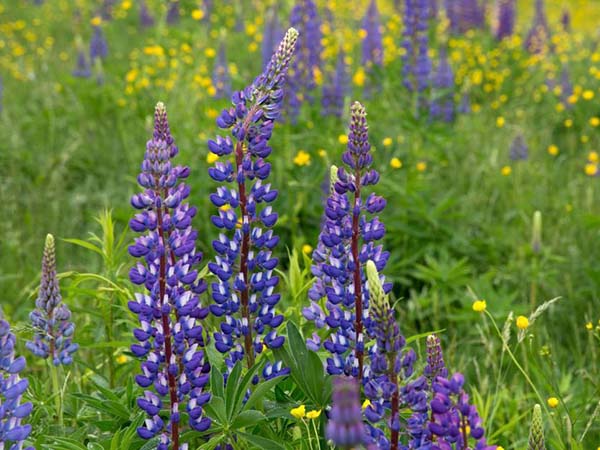
Lupines bring dramatic height and structure to backyard gardens with their tall spikes of colorful blooms. Available in shades of purple, blue, pink, yellow, and white, these striking flowers create impressive focal points in flower beds.
In addition to their beauty, lupines improve soil quality by naturally fixing nitrogen, making them beneficial companion plants for surrounding flowers. They self-seed effectively when grown in sunny locations with good drainage, gradually creating larger clusters over time. Their vibrant blooms are also highly attractive to bees and hummingbirds.
Columbine
Columbines are beloved for their unusual, bell-shaped flowers and graceful appearance. Their blooms come in a wide range of colors, including deep purples, reds, pinks, yellows, and blues, making them a versatile addition to both traditional and woodland gardens.
These hardy perennials thrive in partial shade and cooler conditions, where they self-seed easily and spread naturally through garden beds. Columbines are especially attractive to hummingbirds and can help add movement and life to shaded outdoor spaces.
Forget-Me-Nots
Forget-me-nots produce clusters of tiny blue flowers that create a soft carpet of color in spring gardens. Their charming appearance makes them ideal for borders, shaded pathways, and planting beneath taller perennials.
These flowers thrive in moist, partially shaded areas and self-seed readily once established. Many gardeners pair forget-me-nots with spring bulbs like tulips and daffodils to create layered seasonal displays filled with texture and color.
Foxglove
Foxgloves are classic cottage garden plants known for their towering spikes of tubular blooms. Their flowers appear in shades of pink, cream, purple, yellow, and white, adding dramatic vertical interest to backyard landscapes.
Foxgloves self-seed naturally and often return year after year with minimal intervention. Their nectar-rich flowers are particularly attractive to hummingbirds and bees, making them valuable additions to pollinator-friendly gardens. They grow best in partial shade with rich, well-drained soil.
Black-Eyed Susan
Black-eyed Susans are cheerful native flowers recognized by their bright yellow petals and dark centers. These hardy plants bloom for extended periods during summer and early fall, bringing consistent color to flower beds and borders.
Because they tolerate heat, drought, and poor soil conditions, Black-eyed Susans are excellent for low-maintenance landscapes. They self-seed easily and can gradually form vibrant drifts of color that attract butterflies and bees throughout the growing season.
Sweet Alyssum
Sweet alyssum may be small, but it makes a big impact in gardens with its clusters of fragrant flowers. Available in white, lavender, pink, and purple, this low-growing plant works beautifully as edging, ground cover, or filler between larger flowers.
Sweet alyssum blooms continuously in cooler temperatures and readily self-seeds in sunny locations. Its sweet fragrance and pollinator-friendly blooms make it especially popular for patio gardens and walkways.
Mullein
Mullein produces tall spikes of yellow flowers that stand out dramatically in naturalized gardens and wildflower landscapes. Its soft, silvery foliage adds texture and contrast even when the plant is not blooming.
This drought-tolerant biennial thrives in poor soil and sunny conditions, making it ideal for low-maintenance gardening. Mullein self-seeds aggressively in the right environment and provides valuable habitat for beneficial insects and pollinators.
Oriental Poppies
Oriental poppies are admired for their oversized, crepe-paper-like blooms in brilliant shades of red, coral, pink, and orange. These eye-catching flowers create stunning focal points in perennial beds and cottage gardens.
Once established, Oriental poppies can self-seed and return season after season with little maintenance. Their dramatic blooms pair beautifully with ornamental grasses and summer perennials for a layered garden design.
Oxeye Daisy
Oxeye daisies bring a classic wildflower appearance to landscapes with their crisp white petals and sunny yellow centers. Their carefree growth habit makes them ideal for meadow gardens and informal flower beds.
These hardy flowers self-seed readily and spread naturally, creating a relaxed, countryside feel. They are especially attractive to pollinators and blend beautifully with native grasses and other wildflowers.
Shirley Poppy
Shirley poppies feature delicate, tissue-like petals in soft pastel shades of pink, white, salmon, and red. Their graceful appearance adds a romantic touch to cottage gardens and natural landscapes.
Because they self-sow easily, Shirley poppies often create spontaneous displays of color year after year. Their lightweight blooms sway gently in the breeze, adding movement and softness to outdoor spaces.
Verbena Bonariensis
Verbena bonariensis is known for its tall, slender stems topped with clusters of tiny purple flowers. Its airy growth habit allows it to blend seamlessly among other plants while adding height and texture.
This flower is highly attractive to butterflies, bees, and other pollinators. It self-seeds readily and works especially well in pollinator gardens, mixed borders, and naturalized landscapes where a relaxed appearance is desired.
Bachelor’s Button (Cornflower)
Bachelor’s buttons, also known as cornflowers, are easy-to-grow annuals with bright blue blooms that instantly add charm to flower beds. Newer varieties are also available in shades of pink, purple, and white.
These flowers thrive in sunny conditions and self-seed freely, often returning in abundance the following year. Bachelor’s buttons are excellent for cutting gardens and attract beneficial pollinators throughout the growing season.
Tips for Managing Self-Seeding Flowers
While self-seeding flowers are wonderfully low-maintenance, a few simple gardening practices can help keep your landscape healthy, balanced, and visually appealing.
Allow flower heads to dry naturally before deadheading so seeds have time to disperse. In spring, thin out overcrowded seedlings to improve airflow and reduce competition for nutrients. Mixing multiple flower varieties encourages biodiversity and creates longer blooming periods throughout the season.
It’s also important to choose flowers suited to your local climate and growing conditions. Native and non-invasive self-seeding plants are typically easier to manage and more beneficial for local pollinators and wildlife.
Adding mulch around young seedlings can help retain moisture while reducing weed growth, giving new plants a stronger start during warmer months.
Create a Backyard That Thrives Naturally
Adding self-seeding flowers to your landscape is one of the easiest ways to create a colorful, thriving backyard with less maintenance. These resilient plants return season after season, helping you enjoy continuous blooms, healthier pollinator activity, and a more natural garden aesthetic.
Beyond their beauty, self-seeding flowers support sustainable gardening practices by reducing the need for frequent planting, excessive watering, and chemical treatments. Over time, they help create a balanced outdoor environment that feels vibrant, welcoming, and full of life.
Whether you prefer a wildflower meadow look, a classic cottage garden, or a pollinator-friendly retreat, self-seeding flowers provide long-lasting beauty with minimal effort. By embracing nature’s ability to renew itself, you can transform your outdoor space into a stunning oasis filled with color, movement, and seasonal charm year after year.