7 Effective Ways to Pest-Proof Your Home and Keep Unwanted Visitors Away
- By the dedicated team of editors and writers at Newsletter Station.
Nothing can disrupt the comfort of your home quite like an unexpected pest problem. From ants and cockroaches to mice, termites, and other unwanted visitors, pests can create frustration, damage property, and potentially introduce health concerns.
The good news is that many pest problems can be prevented with simple, consistent maintenance. By taking proactive steps around your home, you can reduce the chances of infestations and create a cleaner, healthier living environment for your family.
Whether you are dealing with seasonal pests or simply want to protect your home year-round, these practical pest-proofing tips can help keep unwanted guests outside where they belong.
Maintain a Clean Home
One of the most effective ways to prevent pests is to eliminate the conditions that attract them. Many insects and rodents are drawn to food crumbs, spills, standing water, and household clutter.
To reduce pest activity:
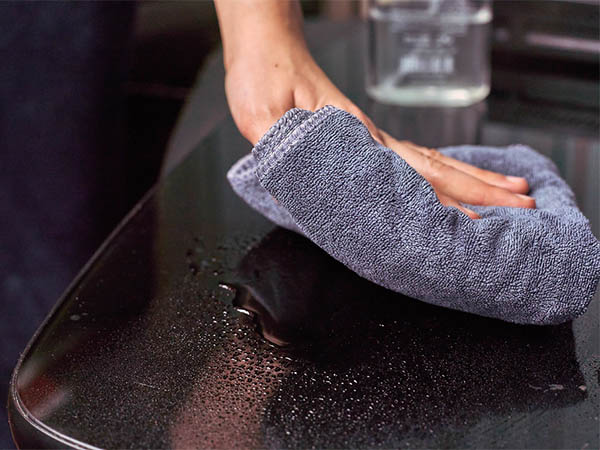
Wipe down kitchen counters and surfaces regularly.
Sweep, mop, and vacuum floors frequently.
Clean up spills immediately.
Avoid leaving dirty dishes in the sink overnight.
Empty trash regularly and use containers with secure lids.
Store recycling properly and rinse food containers before disposal.
A clean home removes many of the food sources pests need to survive and makes it easier to spot potential problems early.
Seal Entry Points Around Your Home
Many pests can enter through surprisingly small openings. Cracks, gaps, and damaged areas around your home's exterior provide easy access for insects and rodents.
Inspect your home regularly and seal areas such as:
Cracks around windows and doors.
Gaps around pipes, wires, and utility openings.
Damaged window screens.
Foundation cracks.
Spaces beneath doors.
Use caulk, weather stripping, door sweeps, or appropriate sealants to close entry points. Keeping pests from entering in the first place is one of the most effective prevention strategies.
Store Food Properly
Accessible food is one of the biggest attractions for household pests. Proper food storage can help protect your kitchen and reduce the risk of contamination.
Follow these simple steps:
Store dry goods such as cereal, flour, and grains in airtight containers.
Keep countertops free of crumbs and food residue.
Store pet food in sealed containers.
Avoid leaving pet bowls filled overnight.
Regularly check pantry items for expired products or signs of pests.
An organized pantry not only helps with pest prevention but also makes it easier to notice problems before they spread.
Maintain Your Landscaping
Your yard plays an important role in protecting your home from pests. Overgrown plants, excess moisture, and outdoor clutter can create ideal hiding places for insects and rodents.
To reduce outdoor pest activity:
Trim trees, shrubs, and bushes away from your home.
Remove fallen leaves and yard debris.
Keep mulch away from the foundation when possible.
Clean gutters regularly.
Direct water away from your home's foundation.
Keep firewood elevated and stored away from exterior walls.
A well-maintained yard creates fewer opportunities for pests to move from outdoor areas into your home.
Repair Plumbing Problems Quickly
Many pests are attracted to moisture, making plumbing issues a common contributor to infestations. Leaky pipes, dripping faucets, and clogged drains provide water sources that encourage pest activity.
Be sure to:
Repair leaks promptly.
Fix dripping faucets.
Keep drains clean and functional.
Address areas with standing water.
Use drain covers when appropriate.
Reducing excess moisture throughout your home can help discourage pests such as cockroaches, silverfish, and other insects.
Schedule Routine Pest Inspections
Even with good prevention habits, pests can still find ways into your home. Regular inspections by a pest control professional can help identify early warning signs and prevent small problems from becoming major infestations.
Professional inspections can help detect:
Hidden entry points.
Signs of termites or wood damage.
Rodent activity.
Nesting areas.
Conditions that attract pests.
A proactive approach can save homeowners time, money, and stress by addressing issues before extensive treatment is needed.
Keep Your Yard and Outdoor Areas Tidy
Outdoor clutter can provide pests with shelter and nesting areas. Maintaining a clean yard reduces hiding spots and helps protect your home.
Helpful outdoor maintenance tips include:
Remove unused furniture, debris, and stored materials.
Keep garbage and compost areas secured.
Store firewood off the ground and away from the house.
Clean patios, decks, and outdoor storage areas regularly.
Check outdoor structures for signs of damage.
Small improvements to your outdoor spaces can make a significant difference in preventing pests from getting comfortable near your home.
Create a Long-Term Pest Prevention Plan
Pest-proofing your home is an ongoing process that requires regular attention. Simple habits like maintaining cleanliness, sealing entry points, controlling moisture, and caring for your yard can greatly reduce the risk of infestations.
Prevention is always easier and more affordable than dealing with a serious pest problem after it develops. By taking proactive steps throughout the year, you can protect your home, preserve its condition, and enjoy a safer, more comfortable living environment for you and your family.