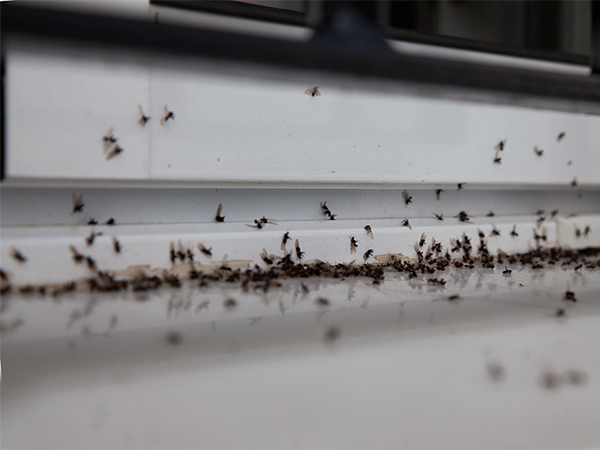
Signs It's Time to Call a Professional Exterminator
- By the dedicated team of editors and writers at Newsletter Station.
A few insects or rodents may not seem like a major concern at first, but even a small pest problem can quickly grow into a costly infestation. Pests can contaminate food, damage your home's structure, spread bacteria, and create unhealthy living conditions for your family.
Recognizing the early warning signs and contacting a professional pest control company before the problem worsens can save you time, money, and unnecessary stress. Here are some of the most common indicators that it's time to schedule a professional inspection.
Droppings or Urine Stains
One of the clearest signs of a pest infestation is finding droppings or urine stains around your home.
Common locations include:
Kitchen cabinets
Pantries
Under sinks
Behind appliances
Garages
Basements
Attics
Rodents, cockroaches, and other pests leave behind waste that can contaminate surfaces and potentially spread harmful bacteria. If you notice fresh droppings, don't ignore them.
Strange Noises in the Walls or Ceiling
Hearing scratching, scurrying, squeaking, or rustling sounds—especially at night—may indicate unwanted guests.
Common culprits include:
Mice
Rats
Squirrels
Bats
Raccoons
These animals often nest inside walls, attics, crawl spaces, or ceilings where they can cause hidden damage.
Unpleasant or Unexplained Odors
Persistent musty, oily, or foul odors may point to a pest problem.
For example:
Rodents can leave behind strong urine odors.
Cockroach infestations often produce a musty smell.
Dead animals inside walls or attics can create unpleasant odors.
Moisture issues that attract pests may also contribute to mildew smells.
If unusual odors persist after cleaning, a professional inspection may be necessary.
Damage to Your Home
Many pests quietly damage your home before they're ever seen.
Watch for signs such as:
Gnawed wires
Chewed wood
Damaged insulation
Holes in walls
Torn food packaging
Mud tubes from termites
Sagging or weakened wood
Early repairs combined with professional pest treatment can help prevent more expensive structural damage.
Nesting Materials
Pests often gather materials to build nests in hidden areas.
Look for piles of:
Shredded paper
Cardboard
Fabric
Insulation
Dried leaves
Pet fur
Nests are commonly found in attics, crawl spaces, garages, basements, and behind large appliances.
Bite Marks or Skin Irritation
Unexplained bites can sometimes indicate the presence of pests such as:
Bed bugs
Fleas
Mosquitoes
Certain mites
If multiple household members or pets experience recurring bites, it's a good idea to have your home inspected to identify the source.
Frequent Pest Sightings
Seeing one pest occasionally may not always indicate an infestation, but repeated sightings often do.
Pay attention if you regularly notice:
Cockroaches
Ant trails
Rodents
Wasps
Silverfish
Termites
Spiders in unusually high numbers
Many pests reproduce quickly, making early treatment essential.
Prevent Future Infestations
Professional extermination addresses current pest problems, but prevention is equally important.
Simple preventive measures include:
Sealing cracks and entry points
Repairing leaks and moisture issues
Storing food in sealed containers
Keeping kitchens clean
Removing clutter
Scheduling routine pest inspections
Trimming vegetation away from your home's exterior
These steps help reduce the likelihood of future infestations.
Protect Your Home Before the Problem Grows
Pests rarely disappear on their own. The sooner you recognize the warning signs and contact a qualified pest control professional, the easier and less expensive the problem is likely to be.
Whether you notice droppings, strange noises, property damage, unusual odors, or recurring pest sightings, taking prompt action can help protect your family's health and preserve your home's value. Regular inspections and preventative maintenance provide long-term peace of mind and help keep unwanted pests from returning.