How to Identify Termite Droppings Before Serious Damage Occurs
- By the dedicated team of editors and writers at Newsletter Station.
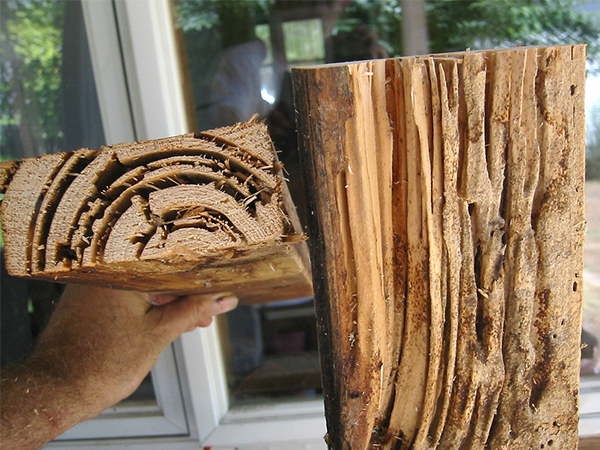
Homeownership comes with many rewards, but it also comes with the responsibility of protecting your property from costly damage. One of the biggest threats to a home's structure is termites. Often called "silent destroyers," termites can cause extensive damage long before homeowners realize there's a problem.
One of the earliest warning signs of an infestation is termite droppings, also known as frass. Learning how to identify termite droppings can help you detect an infestation early, minimize damage, and avoid expensive repairs.
Why Identifying Termite Droppings Is Important
Termites spend most of their lives hidden inside walls, floors, crawl spaces, and wooden structures. Because they remain out of sight, homeowners often don't notice an infestation until significant structural damage has occurred.
Drywood termites create small kick-out holes in wood and push their droppings outside their tunnels, leaving behind visible piles of frass. Recognizing these piles early allows homeowners to schedule a professional inspection before the infestation spreads.
Early detection can:
Reduce repair costs
Prevent structural damage
Protect your home's value
Minimize the spread of termites
Improve the success of termite treatments
Routine home inspections are one of the best defenses against termite damage.
What Do Termite Droppings Look Like?
Termite droppings have several distinctive characteristics that help differentiate them from other household debris or pest waste.
Small Pellet Shape
Drywood termite droppings resemble tiny oval or hexagonal pellets that are approximately the size of coarse sand or coffee grounds.
Although very small, the pellets often have consistent shapes and sizes.
Color Can Vary
The color of termite droppings often depends on the type of wood the termites are consuming.
Common colors include:
Light tan
Beige
Brown
Dark brown
Black
It's common to see multiple shades mixed together.
Small Piles of Frass
Unlike many other pests, termites don't scatter their waste randomly.
Instead, you'll often find small piles of pellets accumulating beneath tiny holes in walls, wooden beams, window frames, baseboards, or furniture.
These neat piles are one of the clearest signs of drywood termite activity.
Dry, Gritty Texture
When examined closely, termite droppings feel dry and grainy rather than sticky or soft.
The pellets consist of digested wood fibers, giving them a sand-like texture.
Where to Look for Termite Droppings
Because termites remain hidden, it's important to inspect areas where they commonly feed.
Pay special attention to:
Window sills
Door frames
Baseboards
Wooden flooring
Attics
Crawl spaces
Wooden furniture
Exposed ceiling beams
Garages
Around wooden decks or porches
Regular inspections can help catch termite activity before significant damage occurs.
How to Tell the Difference Between Termite Droppings and Other Pest Waste
Termite droppings are sometimes mistaken for sawdust, dirt, or droppings from other household pests.
Here are a few key differences:
Uniform Size and Shape
Termite pellets are remarkably consistent in size and shape, unlike rodent or cockroach droppings, which vary considerably.
Wood-Like Appearance
Because termites feed on wood, their droppings often resemble tiny wood-colored pellets instead of dark, irregular waste.
Neat Accumulations
Frass is usually found in small piles beneath kick-out holes rather than scattered throughout a room.
Professional Confirmation
If you're unsure what you've found, it's always best to schedule a professional pest inspection. An experienced technician can identify termite activity and recommend the most effective treatment options.
Additional Warning Signs of Termites
While termite droppings are an important indicator, they're not the only sign of an infestation.
Other warning signs include:
Hollow-sounding wood
Bubbling or peeling paint
Mud tubes along foundations or walls
Doors and windows that suddenly stick
Sagging floors
Tiny holes in wood surfaces
Discarded termite wings near windows or doors
The earlier these signs are addressed, the easier it is to control the infestation.
Protect Your Home with Preventive Maintenance
Regular home maintenance can reduce the risk of termite infestations.
Helpful prevention strategies include:
Eliminate excess moisture around your home's foundation.
Repair plumbing leaks promptly.
Keep firewood away from the house.
Remove wood-to-soil contact whenever possible.
Seal cracks around windows, doors, and foundations.
Schedule periodic professional termite inspections, especially in high-risk areas.
Taking preventative measures is often far less expensive than repairing termite damage.
Termites can quietly cause thousands of dollars in structural damage before they're discovered, making early detection essential. Learning to recognize termite droppings, along with other warning signs, allows homeowners to respond quickly and protect their investment.
Regular inspections, preventive maintenance, and prompt professional treatment can significantly reduce the risk of costly repairs. By staying alert and addressing potential termite activity early, you can help keep your home safe, structurally sound, and protected for years to come.