- By the dedicated team of editors and writers at Newsletter Station.
When dealing with household pests, many homeowners look for quick and easy solutions. One long-standing belief is that mothballs can repel a wide range of pests, including insects and even rodents. While this idea is common, it is largely a myth in general pest control.
Mothballs do serve a specific purpose, but their effectiveness and safety are often misunderstood. Knowing how they actually work—and where they fall short—can help you choose safer and more effective pest control methods for your home.
What Mothballs Are Actually Designed For
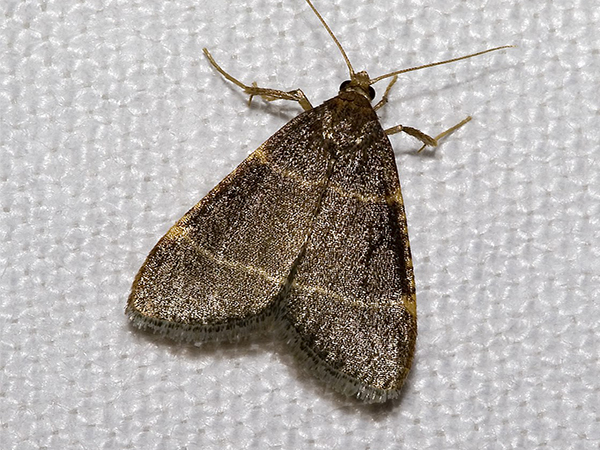
Mothballs are small, solid chemicals made from either naphthalene or paradichlorobenzene. Their primary purpose is to protect clothing and textiles from clothes moths and their larvae. These pests feed on natural fibers such as wool, silk, fur, and feathers.
When used correctly in sealed containers, mothballs release fumes that repel or kill moth larvae, helping preserve stored garments. However, they are not designed for general household pest control.
Do Mothballs Work Against Other Pests?
Despite popular belief, mothballs are not an effective solution for most household pests such as ants, cockroaches, mice, or spiders. Their strong odor may be unpleasant, but it does not reliably repel or eliminate these pests.
In many cases, pests avoid the area temporarily or are unaffected altogether. Relying on mothballs as a broad-spectrum pest control method can lead to ongoing infestations and delay more effective treatment.
Health and Safety Risks of Mothballs
One of the biggest concerns with mothballs is their toxicity. Both naphthalene and paradichlorobenzene can pose health risks when misused or exposed improperly.
Exposure may occur through inhalation of fumes, accidental ingestion, or prolonged skin contact. Potential health effects include headaches, nausea, dizziness, respiratory irritation, and in severe cases, liver or kidney damage.
Children and pets are especially vulnerable, making improper use of mothballs in open areas particularly dangerous. For this reason, they should never be used in living spaces, gardens, or open storage areas.
Proper and Safe Use Guidelines
Mothballs should only be used as directed for enclosed storage of clothing. They work best in airtight containers where fumes are contained and can effectively target clothes moths.
Using them in open spaces such as basements, attics, and closets without sealing or in outdoor areas is unsafe and ineffective. Misuse not only reduces performance but also increases the risk of exposure for people and pets.
Safer and More Effective Pest Control Alternatives
Instead of relying on mothballs for general pest control, homeowners can use safer, more targeted strategies that deliver better long-term results.
Maintain cleanliness and reduce clutter
Regular cleaning eliminates food sources and hiding places for pests. Vacuuming, wiping surfaces, and proper food storage are essential first steps.
Seal entry points
Inspect doors, windows, plumbing gaps, and wall cracks. Sealing these openings helps prevent pests from entering your home in the first place.
Use natural deterrents
Certain essential oils, such as peppermint, eucalyptus, and tea tree oil, may help deter some pests. Herbs such as basil, mint, and rosemary can also be useful in small deterrent roles.
Use targeted traps and bait systems
Modern pest-specific traps and bait stations are more effective than general repellents. These solutions are designed to address specific pest types safely and efficiently.
Consider professional pest control services
For persistent or large infestations, licensed pest control professionals can provide safe, regulated, and highly effective treatment plans tailored to your situation.
Understanding Modern Pest Control Approaches
Today’s pest control strategies focus on prevention, targeted treatment, and environmentally conscious solutions. Integrated Pest Management (IPM) is increasingly used to reduce reliance on harsh chemicals while improving long-term effectiveness.
This approach combines sanitation, sealing entry points, monitoring, and targeted treatments to manage pests more safely and sustainably.
Mothballs are useful for a very specific purpose—protecting stored clothing from clothes moths—but they are not a reliable or safe solution for general household pest control.
Their limited effectiveness against common pests, combined with potential health risks, makes them an outdated option for most modern homes. Safer alternatives such as cleanliness, sealing entry points, natural deterrents, and professional pest control services offer far more effective and responsible ways to manage infestations.
By choosing informed pest control methods, homeowners can maintain a safer, healthier, and pest-free living environment.