How to Get Rid of Fruit Flies and Keep Them Out of Your Kitchen
- By the dedicated team of editors and writers at Newsletter Station.
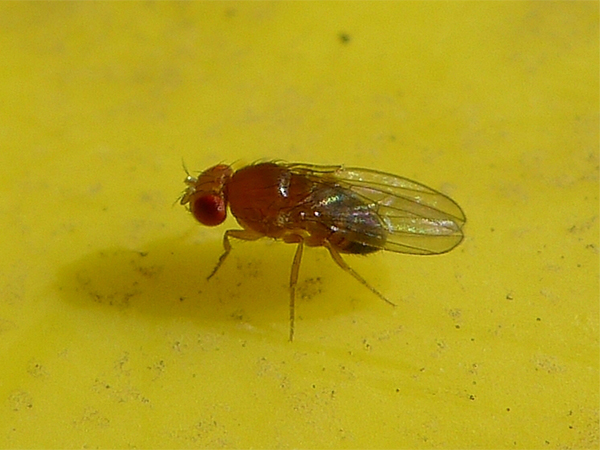
Fruit flies may be tiny, but they can quickly become a frustrating problem in your home. These small insects often appear during warmer months when fresh produce is more common, gathering around fruit bowls, trash cans, drains, and other areas where food residue is present.
While fruit flies do not typically bite or cause direct harm, they can contaminate food surfaces and multiply quickly if their breeding sources are not addressed. The good news is that eliminating fruit flies does not usually require harsh chemicals. With a combination of cleaning habits, simple traps, and preventative measures, you can remove existing fruit flies and reduce the chances of them returning.
Here are some effective ways to get rid of fruit flies and keep your kitchen cleaner and pest-free.
Remove Food Sources and Attractants
The first step in controlling fruit flies is eliminating what attracts them. These pests are drawn to ripe or fermenting fruits, vegetables, sugary spills, and organic debris.
Check your kitchen for common attractants, including:
Overripe fruit sitting on counters
Spilled juice or sticky surfaces
Open trash containers
Food scraps in sinks or drains
Recycling containers with residue
Discard overripe produce in a sealed bag and clean any spills immediately. Removing their food sources makes your kitchen much less appealing.
Create an Apple Cider Vinegar Trap
One of the most popular natural methods for catching fruit flies is an apple cider vinegar trap.
To make one:
Pour a small amount of apple cider vinegar into a glass or bowl.
Add a drop of dish soap to break the surface tension.
Leave the container uncovered or cover it with plastic wrap and poke small holes.
Fruit flies are attracted to the vinegar scent but become trapped in the solution. Replace the trap as needed until the infestation is gone.
Try a Red Wine Trap
Fruit flies are also attracted to the sweet, fermented smell of wine.
Place a small amount of leftover red wine in a container and cover it with plastic wrap containing small holes. The scent attracts fruit flies, and the trap helps reduce the population over time.
This method works similarly to a vinegar trap and can be a convenient option if you already have wine available.
Clean Kitchen Areas Thoroughly
Fruit flies can breed in places that are easy to overlook. Keeping your kitchen clean helps eliminate hidden breeding areas.
Pay attention to:
Dirty dishes left in the sink
Damp sponges or dishcloths
Food residue near appliances
Trash cans and recycling bins
Sticky areas under containers
Wash dishes promptly, wipe down counters, and clean trash containers regularly. A consistently clean kitchen makes it harder for fruit flies to survive.
Store Produce Properly
Fresh produce is one of the biggest attractions for fruit flies. To reduce the risk of an infestation, store fruits and vegetables properly.
Consider:
Refrigerating ripe fruit
Using covered containers
Washing produce before storing
Removing damaged or spoiled items quickly
Keeping produce protected limits access to food sources and helps prevent fruit flies from multiplying.
Use a Natural Repellent Spray
Certain scents may help discourage fruit flies from gathering in specific areas.
You can create a simple spray by combining water with a few drops of essential oils such as:
Lemongrass
Lavender
Peppermint
Eucalyptus
Spray around countertops, windows, trash areas, and fruit storage spaces. While these solutions may help repel fruit flies, they work best when combined with proper cleaning and prevention methods.
Check Your Houseplants
Fruit flies are not always coming from fruit. Some species may breed in moist potting soil, especially when plants are overwatered.
To reduce the chance of plant-related infestations:
Allow soil to dry between waterings when appropriate
Ensure pots have proper drainage
Remove dead leaves and organic debris
Consider adding a thin layer of sand or gravel on top of the soil
Healthy watering habits can help prevent your houseplants from becoming a breeding area.
Clean Your Drains
Kitchen drains can collect organic material where fruit flies may lay eggs. If fruit flies continue to appear after you clean your kitchen, your drains may be contributing to the problem.
Flush drains with hot water regularly and clean drain openings to remove buildup. For persistent issues, consider using a drain brush or a cleaning product designed to remove organic residue.
Prevent Fruit Flies Before They Return
The best way to keep fruit flies away is through consistent prevention. Regularly clean kitchen surfaces, store food properly, empty trash frequently, and address spills quickly.
Although fruit flies are small, they can reproduce rapidly when conditions are right. By removing food sources, using simple traps, and maintaining good kitchen habits, you can keep your home fresh, clean, and less inviting to these unwanted pests.