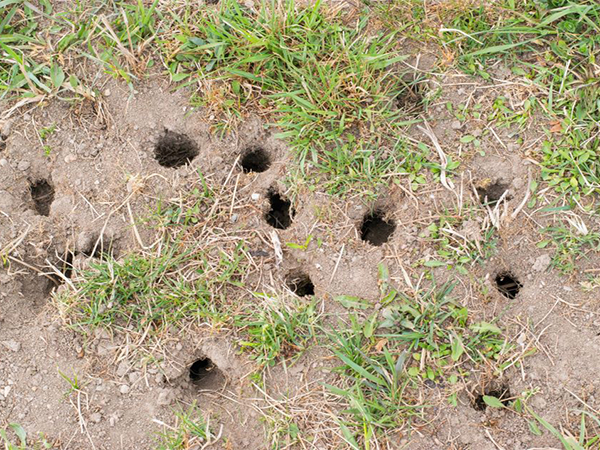
Why Is My Yard Full of Holes? Common Animals That Dig in Lawns and Gardens
- By the dedicated team of editors and writers at Newsletter Station.
Discovering small holes, tunnels, or raised soil patches across your lawn can be frustrating for any homeowner. These unexpected “mini excavation sites” often leave people wondering what’s happening beneath the surface—and which animals are responsible.
In most cases, yard damage is caused by wildlife searching for food, shelter, or nesting space. Understanding the common culprits can help you manage the issue effectively while still respecting the role these animals play in the ecosystem.
Moles: The Underground Tunnel Builders
Moles are among the most well-known lawn diggers. These small mammals live almost entirely underground and are highly adapted for tunneling.
Key signs of moles include:
Raised ridges across lawns (surface tunnels)
Small, volcano-shaped soil mounds (molehills)
Soft, uneven ground when walking
Moles primarily feed on earthworms, grubs, and insects, which means they are often active in nutrient-rich soil. While they don’t eat plants, their tunneling can disrupt roots and soil structure.
Gophers: The Root Feeders
Gophers are highly efficient burrowers that create extensive underground tunnel systems. Unlike moles, they feed directly on roots, bulbs, and other vegetation.
Signs of gopher activity include:
Crescent- or fan-shaped soil mounds
Damaged plants that suddenly wilt
Visible tunnel openings in some areas
Their digging can lead to uneven ground and plant loss, especially in gardens and landscaped areas.
Voles: The Opportunistic Tunnel Users
Voles are small rodent-like animals often mistaken for mice. While they can dig, they typically rely on tunnels made by other animals such as moles or gophers.
Common indicators include:
Runways through grass or mulch
Chewed plant stems or bark near ground level
Small surface holes near vegetation
Voles can cause damage to lawns and gardens by feeding on plants and using existing underground networks for shelter.
Ground-Nesting Bees: Tiny but Active Diggers
Not all holes in yards come from mammals. Several species of solitary bees, including mining bees and sweat bees, nest in the ground.
You may notice:
Small, clean holes in dry soil
Small mounds of loose dirt near entrances
Increased bee activity in sunny areas
These bees are generally non-aggressive and play an important role in pollination. Their digging is usually temporary and often resolves naturally after nesting season.
Earthworms: The Beneficial Soil Engineers
Earthworms are actually a positive sign of healthy soil. As they move through the ground, they create small tunnels that improve aeration and drainage.
Their presence can lead to:
Small surface castings (soil pellets)
Slightly raised or uneven soil texture
Improved plant growth over time
While not harmful, heavy worm activity can sometimes leave visible soil deposits on lawns.
Other Occasional Yard Diggers
Depending on your region, other animals may also contribute to lawn disturbances, including:
Skunks digging for grubs
Raccoons foraging at night
Squirrels burying or retrieving food
These animals typically create shallow holes while searching for insects or food sources near the surface.
How to Manage Yard Holes Safely and Responsibly
If animal digging is becoming a concern, there are humane and eco-friendly ways to manage it:
Reduce insect infestations (a food source for many diggers)
Improve lawn health with proper watering and fertilization
Use natural deterrents or habitat modification
Consult local wildlife or pest professionals for identification
Avoid harmful methods whenever possible, as many of these animals contribute to soil health and ecological balance.
While discovering holes in your yard can be frustrating, it’s often a sign of active soil ecosystems at work. From moles and gophers to bees and earthworms, each species plays a role in maintaining natural balance.
With proper identification and thoughtful management, you can protect your lawn while responsibly and sustainably coexisting with local wildlife.