- By the dedicated team of editors and writers at Newsletter Station.
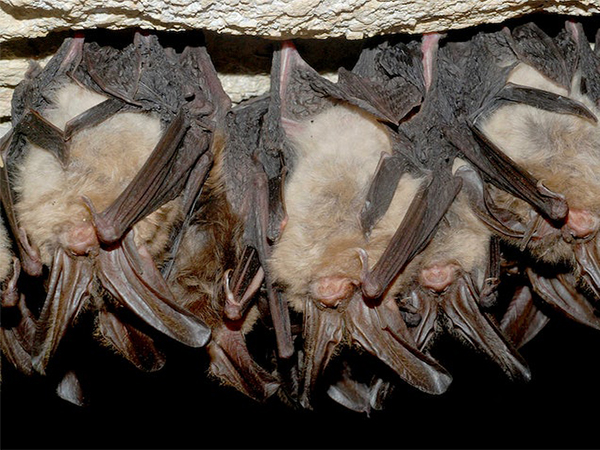
Hearing scratching or rustling noises coming from your attic at night can be unsettling. If you discover bats have taken up residence in your home, it's important to respond calmly and responsibly. While bats are incredibly beneficial to the environment—helping control insect populations and even pollinating certain plants—they don't belong inside your home.
An attic bat colony can create unpleasant odors, damage insulation with droppings (guano), and pose potential health concerns if left untreated. Fortunately, there are safe, humane ways to remove bats while protecting both your family and these valuable animals.
Here are the essential steps to take if you find bats in your attic.
Stay Calm and Assess the Situation
Finding bats in your attic may be alarming, but avoid attempting to remove them immediately. Observe their activity from a safe distance and look for clues such as:
Rustling or squeaking sounds around dusk or dawn
Staining or droppings near rooflines or vents
Bats exiting the home shortly after sunset
Try to estimate the size of the colony and identify where the bats are entering and leaving. Taking notes or photos can be helpful if you contact a wildlife removal professional.
Learn Your Local Wildlife Regulations
Many bat species are protected by state and federal wildlife laws because they play an essential role in maintaining healthy ecosystems. In many areas, it is illegal to harm bats or remove them during maternity season when young bats cannot fly.
Before taking action:
Check local wildlife regulations.
Understand seasonal restrictions.
Determine whether permits are required.
Following these guidelines helps protect bat populations while ensuring your removal efforts remain legal and effective.
Locate Entry Points
Bats can squeeze through openings as small as 3/8 of an inch. Carefully inspect your home's exterior for gaps around:
Rooflines
Soffits and fascia
Chimneys
Roof vents
Gable vents
Siding
Utility penetrations
Mark these locations but avoid sealing them until the bats have been safely excluded. Closing entrances too soon can trap bats inside your home.
Choose the Right Time for Bat Exclusion
Timing is one of the most important parts of humane bat removal.
Professional bat exclusion is typically performed after young bats are capable of flying and before winter hibernation begins. Excluding bats too early during maternity season can separate mothers from their pups, resulting in trapped animals and additional problems inside the home.
A wildlife professional can determine the appropriate timing based on your region and local bat species.
Hire a Licensed Wildlife Removal Professional
Although DIY solutions are widely available, professional bat exclusion is usually the safest, most effective option.
Licensed wildlife experts use specialized one-way exclusion devices that allow bats to leave the attic naturally but prevent them from returning. This humane approach protects both your home and the bats.
Professionals can also:
Verify all entry points
Remove exclusion devices after the colony has left
Permanently seal access points
Inspect for structural damage
Recommend preventative measures
Protect Yourself During Cleanup
Bat droppings, known as guano, can contain fungal spores that may cause respiratory illnesses if disturbed. Direct contact with bats should also be avoided because they can carry rabies, although the risk is generally low.
If cleanup is necessary:
Wear gloves and protective clothing.
Use an appropriate respirator.
Avoid sweeping dry guano, which can release spores into the air.
Wash thoroughly after handling contaminated materials.
If you discover a bat inside your living space, especially where someone may have been sleeping, contact your local health department for guidance.
Clean and Sanitize the Attic
Once the bats have been safely removed, thoroughly clean the attic to eliminate odors and contaminants.
A complete cleanup may include:
Removing contaminated insulation
Vacuuming guano with specialized equipment
Disinfecting affected surfaces
Neutralizing odors
Replacing damaged insulation
Professional cleanup is often recommended for larger infestations to ensure the area is restored safely.
Prevent Future Infestations
After removal and cleanup, take proactive steps to keep bats from returning.
Preventative measures include:
Sealing cracks and openings around the roofline
Installing chimney caps
Repairing damaged vents and soffits
Replacing loose siding
Scheduling regular roof inspections
Routine home maintenance can significantly reduce the likelihood of future wildlife intrusions.
Protect Your Home While Respecting Wildlife
Discovering bats in your attic can be stressful, but the situation can be resolved safely and humanely. By understanding local wildlife regulations, working with qualified professionals, and properly sealing your home afterward, you can protect your family while preserving an important part of the natural ecosystem.
With prompt action and preventative maintenance, your attic can remain bat-free, and these beneficial animals can continue supporting the environment where they belong—outside.