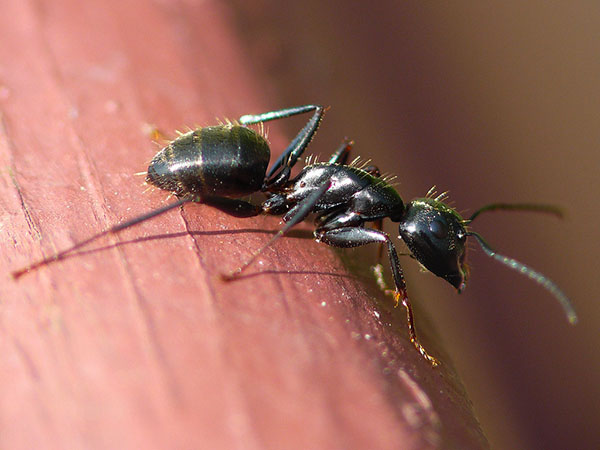
How Ants Get Into Your Home and How to Keep Them Out
- By the dedicated team of editors and writers at Newsletter Station.
Home is a sanctuary where we seek comfort, security, and peace. Unfortunately, even the smallest openings can give unwanted pests an easy way inside. Ants are among the most common household invaders, and once one ant discovers a reliable source of food or water, others may quickly follow.
Different ant species are attracted to different conditions, but most enter homes in search of food, moisture, shelter, or a combination of the three. Understanding how ants get inside can help you identify vulnerabilities and take steps to prevent an infestation.
Cracks, Gaps, and Other Openings
Ants are remarkably good at finding small openings around your home. Common entry points include foundation cracks, gaps around windows and doors, spaces beneath doors, and openings where pipes, wires, or utility lines enter the house.
Because some ants are extremely small, an opening that appears insignificant to you can provide easy access.
Prevention tip: Inspect your home's exterior regularly and seal cracks and gaps with an appropriate caulk or sealant. Check weatherstripping around doors and windows and replace damaged materials. Pay particular attention to areas where utilities enter the home.
Food Left Out or Improperly Stored
Food is one of the biggest reasons ants venture indoors. Crumbs, spilled drinks, pet food, and unsealed packages can all provide an attractive food source.
Ants can also leave scent trails that help other members of the colony locate food. That's why seeing a single ant in your kitchen can sometimes turn into a much larger problem.
Prevention tip: Store food in tightly sealed containers, clean crumbs promptly, wipe down countertops, and avoid leaving dirty dishes in the sink for extended periods. If you have pets, clean up spilled food and consider storing pet food in sealed containers.
Sweet and Sticky Residues
Many common household ants are particularly attracted to sugary foods and beverages. A small amount of spilled juice, syrup, honey, or another sweet substance can be enough to attract foraging ants.
Even when a spill isn't obvious, sticky residue around countertops, cabinets, appliances, or floors can encourage ants to keep returning.
Prevention tip: Clean spills as soon as they occur using soap and water. Regularly wipe down areas where you prepare or consume food and drinks. Don't rely on strong fragrances alone to deter ants; removing the food source matters more.
Trees, Shrubs, and Landscaping
Vegetation can sometimes provide ants with a convenient route toward your home. Branches, vines, and other plants that touch the exterior can create pathways to windows, rooflines, or other potential entry points.
Carpenter ants can also nest in or around trees and may eventually forage toward nearby structures, particularly when conditions provide access to food or moisture.
Prevention tip: Keep branches, vines, and shrubs trimmed away from your home's exterior. Inspect trees and landscaping near the house for signs of damaged or decaying wood, and address conditions that could provide nesting opportunities.
Moisture and Water Sources
Moisture can make your home more attractive to ants. Leaky pipes, dripping faucets, condensation, clogged gutters, poor drainage, and damp areas around the foundation can all create conditions pests may find appealing.
Some ant species are particularly likely to establish nests in damp or water-damaged wood.
Prevention tip: Repair plumbing leaks promptly, improve ventilation in damp areas, and address drainage problems around your home's foundation. Check basements, crawl spaces, bathrooms, and areas beneath sinks for signs of excess moisture.
Firewood and Other Materials Brought Indoors
Ants can sometimes enter homes accidentally when you bring firewood, lumber, potted plants, or other outdoor materials inside. Damp or poorly conditioned wood may be particularly attractive to certain species.
Prevention tip: Store firewood off the ground and away from your home's exterior walls when possible. Inspect firewood and other outdoor materials before bringing them indoors, and avoid storing unnecessary wood or debris directly against the house.
What to Do If You See Ants
Finding a few ants doesn't always mean you have a serious infestation, but repeated activity is worth investigating. Instead of simply killing visible ants, try to determine what is attracting them and where they may be entering.
Clean up potential food sources, address moisture problems, and inspect nearby entry points. If ants keep appearing, or you notice large numbers of ants, sawdust-like material, or ants emerging from walls or wood, professional pest control may be appropriate. Carpenter ants, in particular, warrant closer attention because they can establish nests in damp or damaged wood.
Keep Ants From Taking Over Your Home
Ants usually enter homes because they have found something they need: food, water, shelter, or an easy route inside. By sealing potential entry points, storing food properly, reducing moisture, maintaining landscaping, and inspecting materials brought indoors, you can make your home less attractive to these unwanted visitors.
Regular prevention is often easier than dealing with an established infestation. A few simple maintenance habits can go a long way toward keeping your home comfortable, clean, and less inviting to ants.