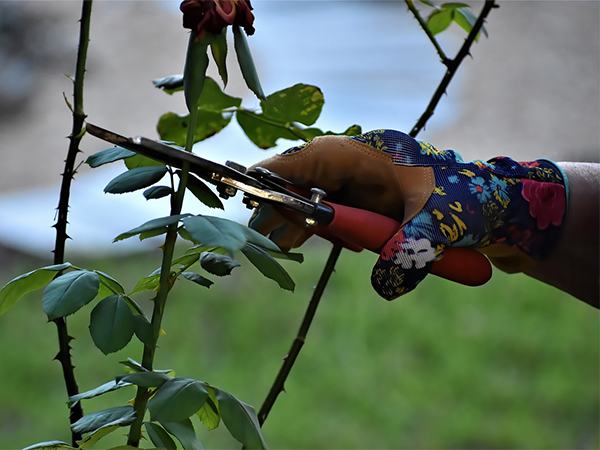
Pruning Roses: Best Practices for Healthy, Beautiful Blooms
- By the dedicated team of editors and writers at Newsletter Station.
Roses are beloved for their beauty and fragrance, but keeping them healthy and productive takes more than regular watering and feeding. Pruning is one of the most important maintenance tasks because it removes damaged growth, improves air circulation, helps shape the plant, and encourages new flowering wood.
The right approach depends on the rose type and whether it blooms once or repeatedly during the season. Knowing what you are pruning—and when—matters more than cutting a rose bush back to a specific height.
Here are practical guidelines to help you prune roses with confidence.
Timing Is Key
For many repeat-blooming roses, late winter or early spring is the main pruning period, as the plant begins to break dormancy. In many regions, a good sign is when the buds begin to swell, but before vigorous new growth starts.
The exact timing varies with climate and rose type. In colder areas, pruning too early can encourage tender new growth that a late freeze may damage. Waiting until the plant shows signs of waking from dormancy makes it easier to see which canes survived the winter.
Climbing roses require particular attention to their flowering habit. Many once-blooming climbers flower on older wood and are best pruned after they finish flowering. Repeat-blooming climbers can generally be pruned in late winter or early spring, with additional light trimming as needed after flowering.
Gather the Right Tools
A few basic tools are usually all you need. Keep a pair of sharp bypass pruning shears for smaller canes, and use long-handled loppers for larger, tougher growth. Sturdy gardening gloves are especially useful because rose canes can have surprisingly sharp thorns.
Clean, sharp tools make cleaner cuts and reduce unnecessary plant damage. If you are moving from a diseased rose to a healthy one, disinfect your pruning tools before working on the next plant. This simple step can help reduce the risk of spreading plant pathogens.
Start by Assessing the Rose Bush
Before making any cuts, take a few minutes to look closely at the entire plant. First, remove dead, damaged, broken, or diseased canes. Dead wood is often brown, gray, shriveled, or brittle, while healthy tissue inside a cane is typically green or cream-colored.
When removing a damaged cane, continue cutting back until you reach healthy wood. Make a clean cut just above a healthy bud or branch junction, avoiding a long stub that can die back.
Also look for suckers growing from below the graft union on grafted roses. These vigorous shoots can look different from the desired rose and may compete with the plant for water and nutrients. Remove them at their point of origin rather than simply cutting them off at ground level.
Thin the Plant and Improve Airflow
Once you remove dead and damaged growth, assess the rose's overall structure. Remove weak, spindly canes and those that cross or rub against one another. Growth that crowds the center of the plant can restrict air movement and make it harder for foliage to dry after rain or watering.
The goal is not to remove as much wood as possible. Keep strong, healthy canes that are well positioned and allow the plant to maintain an open, balanced structure. An open center also makes it easier to inspect the plant and spot problems during the growing season.
Make Thoughtful Cuts
When shortening a healthy cane, make the cut just above a healthy bud, generally choosing one that faces toward the outside of the plant. This encourages new growth to develop outward rather than directly inward.
Make cuts at a slight angle so water doesn't sit on the cut surface, but avoid an exaggerated angle or leaving a long stub. If you're removing a cane completely, cut it back cleanly to its point of origin.
One common mistake is assuming every rose should be cut back by half or to a specific height. The amount of pruning should depend on the rose's type, age, condition, and growth habit. Severe pruning is not automatically better pruning.
Pruning Techniques for Different Roses
Different roses respond differently to pruning, so identifying the variety can save you from removing the wood that will produce your next flowers.
Hybrid Teas and Grandifloras: These repeat-blooming roses generally benefit from fairly substantial late-winter or early-spring pruning. Remove weak and damaged growth and retain several strong, healthy canes. Shorten selected canes to encourage vigorous new flowering growth, but don't assume every plant needs to be reduced by exactly half.
Floribundas and Polyanthas: These roses produce flowers in clusters and generally respond well to pruning that maintains a compact, open framework. First, remove dead, weak, and crossing growth, then selectively shorten healthy canes to maintain the desired size and shape.
Shrub and Landscape Roses: Many modern shrub roses require less aggressive pruning than hybrid teas. Remove dead, damaged, or crossing branches and lightly shape the plant as needed. Some varieties can become less attractive or less vigorous if repeatedly cut back too severely.
Climbing Roses: Do not treat climbing roses like ordinary shrubs. The main structural canes provide the plant's framework and usually should not be removed unless they are old, damaged, or diseased. Prune once-blooming climbers after flowering because they often bloom on older wood. You can prune repeat-blooming climbers in late winter or early spring and train them onto their support.
If you are unsure which type of rose you have, check the plant's identification tag or look up the specific cultivar before doing major pruning. Its flowering habit can tell you which canes are worth preserving.
Consider Deadheading During the Growing Season
Pruning is not limited to the major seasonal cutback. During the growing season, removing spent flowers—known as deadheading—can improve the appearance of many repeat-blooming roses and encourage additional flowering.
For repeat-blooming varieties, remove the faded deadheading stem according to the plant's growth habit, cutting back to an appropriate healthy bud or leaf. Some modern landscape roses are naturally self-cleaning and may not require much deadheading, so check the specific variety before spending time on routine trimming.
Give Roses Proper Aftercare
Pruning is only one part of deadheading healthy roses. After pruning, make sure plants receive adequate sunlight and consistent moisture, particularly during dry periods. Water at the base of the plant rather than routinely wetting the foliage, and avoid keeping the soil constantly saturated.
A layer of organic mulch around the base can help conserve moisture, moderate soil temperatures, and reduce weed competition. Keep mulch a few inches away from the main stem rather than piling it directly against the plant.
Continue monitoring roses throughout the growing season for common problems such as black spot, powdery mildew, aphids, and other pests. Removing affected foliage and maintaining good airflow can help, but significant disease or pest problems may require more specific treatment.
Pruning roses becomes much less intimidating once you stop thinking of it as simply cutting a plant back and start looking at the rose's structure. Remove what is dead or damaged, open up crowded areas, preserve healthy structural growth, and consider when the particular variety produces its flowers.
If you're unsure about a major cut, pause and identify the rose first. A few minutes spent learning its growth and flowering habits can prevent the most common pruning mistake: removing healthy wood that the plant needed to produce flowers.