- By the dedicated team of editors and writers at Newsletter Station.
Growing flowers from bulbs is one of the easiest and most rewarding ways to add vibrant color, texture, and beauty to your landscape. Bulb flowers are celebrated for their stunning blooms, wide variety of colors, and reliable performance in gardens of all sizes. Whether you're an experienced gardener or just starting, planting bulbs offers a simple way to enjoy spectacular seasonal displays year after year.
From early spring blossoms to dramatic summer blooms, bulbs provide long-lasting interest and can help create a garden that attracts pollinators while enhancing curb appeal. Here are six gorgeous flowers you can grow from bulbs to transform your outdoor space into a blooming paradise.
Tulips (Tulipa spp.)
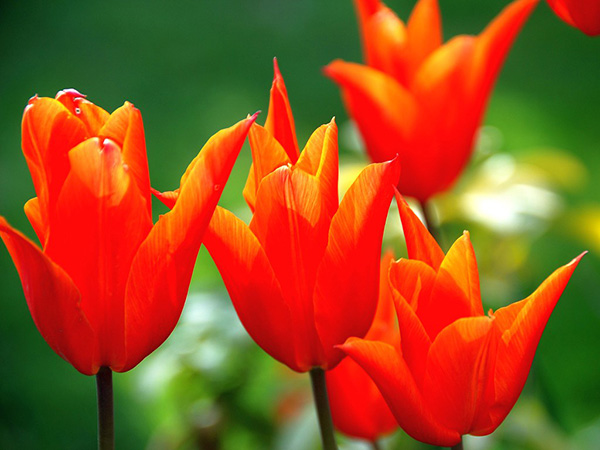
Tulips are among the most recognizable and beloved spring-flowering bulbs. Their elegant, cup-shaped blooms come in an incredible range of colors, including red, yellow, pink, purple, white, and striking multicolored combinations.
Tulips thrive in well-drained soil and full sun. Plant bulbs in the fall before the ground freezes, and you'll be rewarded with vibrant blooms in spring. For the best visual impact, plant tulips in clusters or drifts rather than single rows. They also pair beautifully with daffodils and hyacinths for a layered spring display.
Growing Tip: Choose a mix of early-, mid-, and late-season tulips to extend your bloom season.
Daffodils (Narcissus spp.)
Daffodils are cheerful spring favorites that signal the arrival of warmer weather. Their iconic trumpet-shaped flowers are most commonly yellow, but a wide variety also bloom in white, orange, peach, and bicolor combinations.
One of the biggest advantages of daffodils is their durability. These low-maintenance bulbs naturalize easily, multiplying over time and returning each spring with minimal care. They are also resistant to deer and rodents, making them an excellent choice for many landscapes.
Growing Tip: Plant daffodil bulbs in groups beneath trees, along walkways, or in flower beds for a naturalized look.
Hyacinths (Hyacinthus spp.)
Hyacinths are prized for their intensely fragrant flowers and vibrant colors. Their dense flower spikes feature clusters of star-shaped blooms in shades of blue, pink, purple, white, and lavender.
These compact plants are ideal for borders, pathways, containers, and patio gardens. Plant them in the fall, and their sweet fragrance will fill the air in early spring. Hyacinths also make excellent additions near entryways where their scent can be fully appreciated.
Growing Tip: Plant hyacinths close to outdoor seating areas to enjoy their delightful fragrance throughout the blooming season.
Crocuses (Crocus spp.)
Crocuses are often among the first flowers to emerge after winter, sometimes blooming while snow still lingers on the ground. Their delicate, cup-shaped flowers appear in shades of purple, yellow, and white, as well as striped varieties.
These early bloomers are excellent for naturalizing in lawns, rock gardens, and borders. In addition to providing beautiful color, crocuses offer an important source of nectar for bees and other pollinators emerging from winter dormancy.
Growing Tip: Plant crocus bulbs in large groups for a stunning carpet of color that expands each year.
Irises (Iris spp.)
Irises bring elegance and sophistication to any garden. Available in a wide variety of sizes, colors, and forms, these striking flowers can complement both traditional and modern landscape designs.
From classic bearded irises to smaller reticulated varieties, irises offer unique blooms featuring intricate patterns and dramatic petals. Most varieties thrive in well-drained soil and full sun, producing reliable blooms each season.
Beyond their garden appeal, irises make excellent cut flowers and can add beauty to indoor floral arrangements.
Growing Tip: Divide overcrowded iris clumps every few years to encourage healthier growth and more abundant flowering.
Gladiolus (Gladiolus spp.)
If you're looking to add height and drama to your garden, gladiolus is an outstanding choice. These tall, elegant plants produce impressive flower spikes lined with vibrant, funnel-shaped blooms.
Available in nearly every color imaginable, gladiolus flowers range from bold reds and oranges to soft pinks, purples, and whites. Their vertical growth habit makes them ideal for the back of flower beds or as focal points in mixed borders.
Because they bloom later in the season, gladiolus helps extend garden color well beyond spring.
Growing Tip: Stagger planting times every two weeks to enjoy continuous blooms throughout the growing season.
Tips for Successful Bulb Gardening
To maximize the beauty and longevity of your bulb garden, follow these simple best practices:
Plant bulbs at the recommended depth for each variety.
Ensure soil drains well to prevent bulb rot.
Choose locations with adequate sunlight.
Water newly planted bulbs thoroughly.
Add compost or organic matter to improve soil quality.
Remove spent flowers but allow foliage to die back naturally so bulbs can store energy for future blooms.
Consider planting a variety of bulb types to enjoy flowers from early spring through late summer.
Create a Garden Filled with Color
Growing flowers from bulbs is an enjoyable and rewarding gardening project that delivers impressive results with relatively little effort. Tulips, daffodils, hyacinths, crocuses, irises, and gladiolus each offer unique beauty, colors, and textures that can enhance any outdoor space.
Whether you're creating a colorful flower bed, designing a pollinator-friendly landscape, or simply adding seasonal interest to your yard, these bulb-grown favorites provide reliable beauty year after year. With proper planting and care, your garden can become a vibrant showcase of blooms that welcomes every season with color and charm.