- By the dedicated team of editors and writers at Newsletter Station.
Roses have long been celebrated for their beauty, fragrance, and versatility. With countless colors, forms, sizes, and growth habits available, roses can complement nearly any landscape style, from formal gardens and traditional borders to relaxed cottage gardens and modern outdoor spaces.
Landscape designers appreciate roses not only for their beautiful blooms but also for the variety of ways they can be incorporated into a landscape. Some work well as colorful borders or foundation plantings, while others can add height to a trellis, fill a container, or create a dramatic focal point.
The key is choosing a rose variety that matches the site's growing conditions, desired maintenance level, and overall landscape design. Here are nine types and varieties that remain popular choices for creating beautiful outdoor spaces.
Knock Out Roses
Knock Out roses have become a popular landscape choice because of their long blooming season, relatively easy care, and good disease resistance.
Available in several colors and forms, Knock Out roses can be used as foundation plantings, low hedges, borders, or accents within mixed beds. Their repeat-blooming habit provides color throughout much of the growing season when growing conditions are favorable.
They are particularly useful in landscapes where homeowners want the beauty of roses without the intensive maintenance traditionally associated with some classic rose varieties.
David Austin Roses
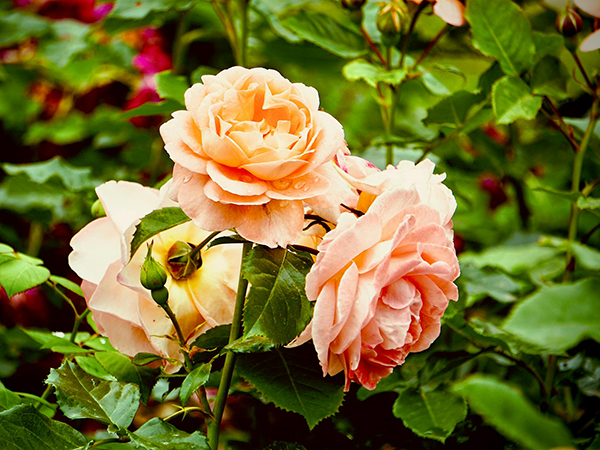
David Austin roses are known for combining the appearance and fragrance of traditional old garden roses with characteristics of modern repeat-flowering roses.
Their full, layered blooms and distinctive fragrances make them excellent choices for romantic gardens, cottage-style landscapes, perennial borders, and dedicated rose gardens.
Wide varieties have a softer, more informal appearance than traditional hybrid tea roses, making them easy to incorporate into naturalistic planting designs.
Climbing Roses
Climbing roses are an excellent way to add vertical interest to a landscape. Rather than taking up significant horizontal space, they can grow along properly supported trellises, arbors, fences, pergolas, and other structures.
Landscape designers often use climbing roses to frame entrances, soften architectural features, or create a dramatic garden backdrop.
Keep in mind that climbing roses generally need sturdy support and some training to grow where you want them. Their mature size should also be considered when selecting a location.
Grandiflora Roses
Grandiflora roses combine characteristics associated with hybrid tea and floribunda roses. They are known for producing large, showy blooms on relatively tall plants.
Their upright growth and impressive flowers can work well in formal gardens, dedicated rose beds, and locations where a taller flowering plant is desirable.
Because individual varieties can differ considerably in size and growth habit, check the mature dimensions before placing a grandiflora rose near walkways, windows, or other plants.
Shrub Roses
Shrub roses offer landscape designers considerable flexibility. Rather than focusing exclusively on individual show-quality blooms, many shrub roses provide an abundance of flowers on plants with a fuller, more natural growth habit.
The category includes many modern landscape roses, such as the Knock Out family, as well as other hardy, repeat-blooming selections.
Shrub roses can be used in mixed borders, informal hedges, foundation plantings, and cottage-style gardens. Their versatility makes them especially useful when the goal is to integrate roses naturally with perennials, grasses, and other shrubs.
Rugosa Roses
Rosa rugosa, commonly known as rugosa rose, is valued for its rugged appearance, fragrant flowers, textured foliage, and tolerance of challenging conditions.
Rugosa roses can be particularly well suited to coastal landscapes and areas exposed to wind or salt. Their attractive hips, which develop after flowering, can also provide seasonal interest.
However, rugosa roses can spread and form dense growth, and their invasive status varies by location. Before planting, check local regulations and recommendations to make sure the species is appropriate for your area.
Hybrid Tea Roses
Hybrid tea roses are known for their classic, elegant flowers, long stems, and wide range of colors. They remain popular in formal rose gardens and cutting gardens where individual blooms are meant to stand out.
Their traditional appearance makes them an excellent choice for creating a polished, structured garden design.
Hybrid tea roses can require more attention than many modern landscape roses, including regular pruning, disease monitoring, and maintenance. They are best suited to gardeners who enjoy spending time caring for their plants.
Floribunda Roses
Floribunda roses are valued for producing clusters of flowers rather than focusing primarily on single blooms. This makes them particularly effective when the goal is to create a broad area of continuous color.
Their growth habits vary by cultivar, but many floribundas work well in borders, rose beds, and mixed planting areas.
Landscape designers can combine different flower colors or pair floribundas with complementary perennials and shrubs to create a layered, colorful landscape.
Miniature and Patio Roses
Miniature roses bring the appeal of traditional roses to smaller spaces. Their compact size makes them useful for containers, small gardens, borders, balconies, and patios.
Patio roses and other compact landscape roses can provide a similar benefit while offering slightly larger plants and blooms than traditional miniature roses.
When using roses in containers, choose a pot that provides adequate room for the mature root system and make sure it has good drainage. Container-grown roses also generally require more frequent watering than roses planted directly in the ground.
Choosing the Right Rose for Your Landscape
The best rose isn't necessarily the one with the most impressive flowers. Choosing the right variety starts with understanding your landscape and the conditions available.
Consider factors such as:
Sunlight: Most roses perform best with several hours of direct sunlight each day.
Soil: Well-drained soil is important for healthy root development.
Mature size: Allow enough room for the rose to reach its full width and height.
Maintenance: Some varieties require more pruning and disease management than others.
Climate: Select roses suited to your local hardiness zone and growing conditions.
Landscape style: Match the rose's growth habit and appearance to the overall design.
Disease resistance: If low maintenance is a priority, look for varieties bred for improved resistance to common rose diseases.
It's also worth remembering that disease resistance does not mean a plant will never develop a disease. Good air circulation, appropriate watering, adequate spacing, and proper maintenance can all contribute to healthier roses.
Designing With Roses
Roses can serve many different purposes in a landscape. A climbing rose can turn a plain arbor into a garden focal point, while a group of shrub roses can define a border or create a colorful transition between lawn and garden beds.
Combining roses with perennials, ornamental grasses, evergreen shrubs, and other flowering plants can create more visual interest throughout the year. Consider bloom times, foliage color, plant height, and texture when designing the entire planting area.
For a more formal appearance, repeat the same rose variety throughout a bed or use roses in symmetrical arrangements. For a relaxed cottage-garden look, combine different rose forms with complementary flowers and foliage.
Add Timeless Beauty to Your Landscape
Roses remain a favorite among landscape designers because they offer an extraordinary combination of beauty, fragrance, versatility, and variety. From low-maintenance shrub roses to elegant hybrid teas and dramatic climbing roses, there is a type suited to almost every landscape style.
The most successful rose garden starts with choosing plants that fit the growing conditions and the amount of maintenance you're prepared to provide. With thoughtful placement, proper care, and complementary plant selections, roses can become a lasting highlight of your outdoor space.
Whether you're designing a formal rose garden, refreshing an existing border, or simply adding a few colorful plants to your yard, the right roses can bring structure, seasonal color, and timeless appeal to your landscape.