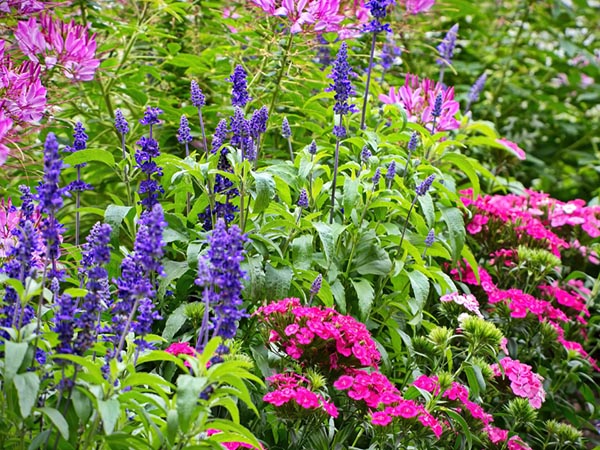
Decorative Flower Garden Edging Ideas to Elevate Your Landscape
- By the dedicated team of editors and writers at Newsletter Station.
A beautiful flower garden is more than just a collection of colorful blooms. The details of your garden beds can significantly impact the overall appearance of your landscape. One of the most effective ways to create a polished, professional-looking garden is by incorporating decorative flower garden edging.
Garden edging serves both functional and aesthetic purposes. It helps define planting areas, prevents grass from invading flowerbeds, simplifies maintenance, and adds visual interest to your outdoor space. With countless materials and design options available, you can easily find an edging solution that complements your home's style and reflects your personality.
Here are some inspiring decorative flower garden edging ideas to help transform your garden into a stunning outdoor retreat.
Natural Stone Edging
Natural stone edging remains one of the most popular and timeless landscaping choices. Materials such as granite, limestone, fieldstone, and sandstone blend beautifully with surrounding plants and create a natural, organic appearance.
Stone borders can be stacked for a rustic look or arranged in neat rows for a more refined design. Their durability allows them to withstand changing weather conditions while providing long-lasting beauty and structure to your flowerbeds.
Natural stone works especially well in cottage gardens, woodland landscapes, and traditional outdoor spaces.
Classic Brick Borders
Brick edging offers a clean, structured appearance that complements both traditional and contemporary landscapes. Bricks can be installed flat, angled, or arranged in decorative patterns such as herringbone or basket weave designs.
Weathered bricks create a charming, vintage look, while newer bricks provide a crisp and uniform finish. Brick borders are also highly durable and can effectively separate lawns from planting beds, helping to reduce maintenance.
Wooden Logs and Landscape Timbers
Wooden edging adds warmth and natural character to any garden. Landscape timbers, reclaimed wood, or small logs can create attractive borders that blend seamlessly with surrounding plants.
This option is particularly popular for rustic, farmhouse, and woodland garden styles. Pressure-treated lumber and naturally rot-resistant woods such as cedar can extend the lifespan of wooden edging while maintaining its attractive appearance.
Regular inspections and occasional maintenance can help keep wood edging looking its best for years.
Modern Metal Edging
For homeowners seeking a sleek and contemporary aesthetic, metal edging is an excellent choice. Steel, aluminum, and corten steel edging create clean lines and defined borders that work well in modern landscape designs.
Metal edging is highly durable, low maintenance, and flexible enough to accommodate both straight lines and graceful curves. Its minimalist appearance allows flowers and plants to remain the focal point while still providing a polished finish.
Recycled and Upcycled Materials
Eco-conscious gardeners often incorporate recycled materials into their landscape designs. Repurposed items such as reclaimed wood, glass bottles, wine corks, old bricks, and salvaged metal pieces can create unique, personalized garden borders.
Using recycled materials reduces waste while adding character and creativity to your outdoor space. Every border becomes a one-of-a-kind design feature that reflects your commitment to sustainability.
Terra Cotta Pot Borders
Unused terra cotta pots can be transformed into charming garden edging. Partially burying the pots along flowerbed borders creates a distinctive decorative element while introducing texture and color.
This approach works particularly well in Mediterranean-inspired gardens and cottage landscapes. You can even plant small flowers, herbs, or succulents in some of the pots for added visual interest.
Colorful Mosaic Tile Edging
Mosaic edging allows gardeners to showcase their creativity and artistic flair. Broken ceramic tiles, decorative glass pieces, and colorful stones can be arranged into eye-catching patterns that add vibrant personality to garden beds.
Whether you create simple geometric designs or intricate artistic displays, mosaic borders become a unique focal point that attracts attention and enhances the overall landscape.
This DIY-friendly option is perfect for homeowners looking to add a customized touch to their garden.
Living Edges with Low-Growing Plants
A living border can provide both beauty and function. Low-growing plants such as lavender, boxwood, creeping thyme, dwarf mondo grass, or ornamental grasses create natural edging that softens the transition between flowerbeds and lawns.
In addition to defining planting areas, these living borders can attract pollinators, provide seasonal color, and introduce pleasant fragrances throughout the garden.
Living edging works particularly well in cottage gardens, pollinator gardens, and formal landscape designs.
Decorative Concrete Curbing
Concrete curbing offers a durable, long-lasting edging solution with endless customization options. Modern concrete borders can be stamped, colored, textured, or shaped to complement virtually any landscape style.
Unlike traditional concrete installations, decorative curbing can mimic the appearance of natural stone, brick, or wood while requiring minimal maintenance. It also creates a permanent barrier that helps keep mulch, soil, and plants neatly contained.
Decorative Gravel and Rock Borders
Decorative gravel and river rock edging continue to grow in popularity due to their versatility and low maintenance requirements. Available in various sizes, colors, and textures, these materials can create clean, attractive borders around flowerbeds and garden pathways.
Rock borders also improve drainage and help reduce weed growth when installed properly. They pair exceptionally well with drought-tolerant landscapes and modern garden designs.
Benefits of Garden Edging
Beyond aesthetics, garden edging provides several practical benefits:
Creates clear separation between lawns and flowerbeds
Helps prevent grass and weeds from spreading into planting areas
Reduces maintenance and trimming requirements
Keeps mulch, soil, and decorative materials contained
Enhances curb appeal and landscape value
Creates a more organized and professional appearance
Choosing the right edging material can improve both the beauty and functionality of your outdoor space.
Add the Perfect Finishing Touch to Your Garden
Decorative flower garden edging is one of the simplest ways to elevate your landscape and create a polished, cohesive design. Whether you prefer the timeless elegance of natural stone, the structured appeal of brick, the sustainability of recycled materials, or the modern look of metal and concrete, there is an edging solution to match every style and budget.
By selecting edging materials that complement your garden and home, you can create an inviting outdoor environment that showcases your flowers, improves maintenance, and enhances curb appeal. With a little creativity and planning, your garden can become a beautiful extension of your personal style and a space you'll enjoy throughout the seasons.