Preserving Memories: A Guide to Pressing Roses Flat
- By the dedicated team of editors and writers at Newsletter Station.
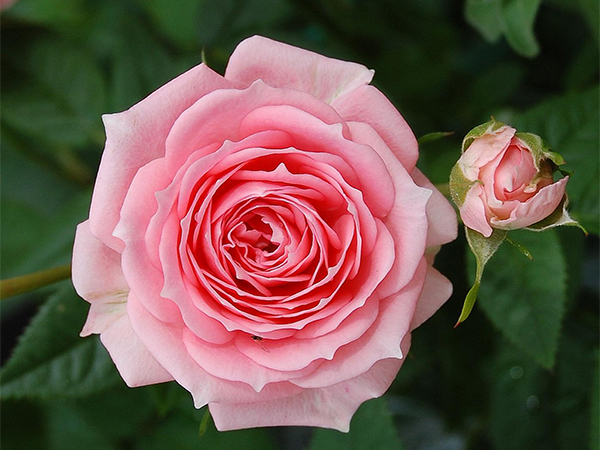
Roses have long been a symbol of love and affection with their captivating beauty and delicate fragrance. As fleeting as their beauty may be, there's a way to capture and preserve their essence for years. Pressing roses flat is a timeless art form that allows you to create beautiful keepsakes, from framed artwork to handmade cards.
This blog will explore the step-by-step process of pressing roses, ensuring your cherished flowers retain their elegance and charm.
Materials Needed:
Fresh roses: Choose roses at their peak, with petals fully opened but not overly mature.
Absorbent paper: Acid-free blotting or parchment paper works best for pressing flowers.
Heavy books or flower press: This will provide even pressure to flatten the roses.
Scissors or pruning shears: Use these to remove the roses from their stems carefully.
Optional: Gloves and tweezers can be handy when handling delicate petals.
Step-by-Step Guide:
Choose the right roses: Select roses in their prime, preferably on a dry day when they are free from dew or moisture. This will prevent any potential mold or discoloration during the pressing process.
Prepare the roses: Carefully remove any thorns and excess leaves from the stems. Trim the stems to about 1-2 inches in length. Remember to handle the roses gently to avoid damaging the petals.
Set up the press: If using a flower press, assemble it according to the manufacturer's instructions. Alternatively, you can use heavy books. Line the press or book pages with absorbent paper, leaving enough space between each layer for the roses.
Position the roses: Open the press or book and lay the roses face down on the absorbent paper. Ensure that the petals are not touching each other to prevent sticking. For larger roses, it may be necessary to remove some petals to allow for a flatter pressing.
Pressing process: Close the press or book, applying even pressure. If using books, you can add additional weight, like more books or heavy objects. Leave the roses undisturbed for at least two weeks to dry completely and flatten.
Drying time: The drying time may vary depending on the moisture content of the roses and the environment. Check the roses after two weeks, and if they are still damp, replace the absorbent paper and leave them for another week or two until completely dry.
Removing the pressed roses: Carefully open the press or book once the roses are fully dried. Use gloves or tweezers to gently lift the roses off the paper, avoiding damage to them. If any petals stick to the paper, you can use a toothpick or a small brush to separate them carefully.
Display and storage: Now that your roses are pressed flat, you can unleash your creativity and use them for various crafts. Frame them as artwork, create unique greeting cards, or incorporate them into a homemade journal. To preserve the pressed roses, store them in a dry, cool place, away from direct sunlight, which can cause fading.
Preserving roses by pressing them flat allows you to cherish their beauty and create lasting memories. With patience and the proper technique, you can transform these delicate flowers into timeless works of art.
Whether you frame them, use them for crafting, or keep them as treasured mementos, pressed roses are a beautiful way to capture the fleeting elegance of these exquisite blooms.