How to Choose the Right Holster: A Practical Guide for Safe and Comfortable Carry
- By the dedicated team of editors and writers at Newsletter Station.
Choosing the right holster is one of the most important decisions for anyone who carries a firearm, whether for concealed carry or open carry. A quality holster does more than hold your firearm — it enhances safety, ensures proper retention, improves accessibility, and supports all-day comfort.
With today’s wide range of holster styles, materials, and carry positions, selecting the best option can feel overwhelming. This guide breaks down the key factors to consider so you can make an informed, confident decision.
Determine Your Carry Style
Your preferred carry position will largely determine which holster type is right for you.
Inside-the-Waistband (IWB)
IWB holsters are worn inside the waistband and are among the most popular options for concealed carry. They provide excellent concealment and can be positioned at the appendix (AIWB), on the strong side of the hip, or behind the hip. Comfort, ride height, and cant angle are especially important for IWB setups.
Outside-the-Waistband (OWB)
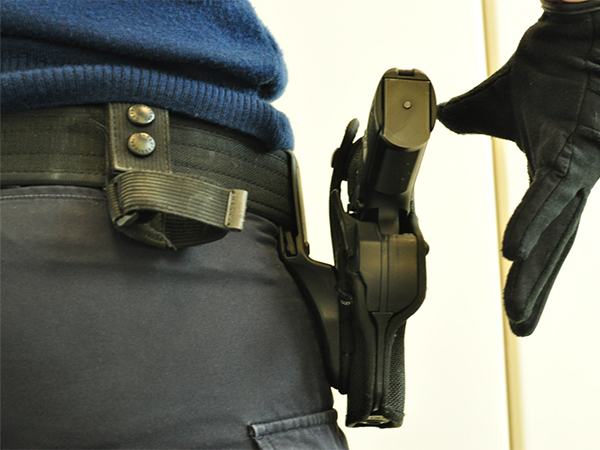
OWB holsters are worn outside the waistband, typically attached to a belt. They offer faster access and greater comfort but may require a cover garment for concealment.
Shoulder Holsters
Shoulder holsters distribute weight across the shoulders and are often used for larger firearms. They can be practical under jackets but may be less ideal for warm climates or extended daily wear.
Ankle Holsters
Designed primarily for backup firearms, ankle holsters provide discreet carry but slower access. They work best with compact or subcompact models.
Pocket Holsters
Pocket holsters are ideal for small firearms and are designed to protect the trigger while maintaining concealment. They help reduce printing and keep the firearm oriented correctly inside the pocket.
Match the Holster to Your Firearm
Holster fit is critical for safety and performance. Always select a holster specifically designed for your firearm’s make and model. A proper fit ensures:
Secure retention
Complete trigger guard coverage
Consistent draw performance
Avoid generic or “one-size-fits-most” holsters that may compromise retention or safety.
Choose the Right Material
Holster material affects comfort, durability, maintenance, and retention.
Leather
Leather holsters offer a classic look and comfortable feel. They mold to your firearm over time but require maintenance and can absorb moisture.
Kydex
Kydex holsters are highly durable, moisture-resistant, and maintain their shape. They offer strong retention and are easy to clean, making them popular for everyday carry.
Nylon
Nylon holsters are lightweight and budget-friendly. However, they may provide less structure and retention compared to molded leather or Kydex options.
Hybrid holsters, combining materials like Kydex shells with padded backings, have also become increasingly popular for balancing comfort and retention.
Evaluate Retention and Accessibility
Retention refers to how securely the holster holds your firearm. Common retention systems include:
Passive retention (friction fit)
Adjustable retention screws
Active retention devices (thumb breaks or locking mechanisms)
Your ideal retention level should balance security with a smooth, consistent draw. The firearm should remain secure during movement while still allowing efficient access when needed.
Consider Concealment and Printing
For concealed carry, minimizing printing — the visible outline of the firearm through clothing — is essential. Look for:
Adjustable cant and ride height
Slim profiles
Claw or wing attachments (for IWB holsters) that reduce grip printing
Proper belt support also plays a major role in concealment effectiveness.
Prioritize Comfort and Adjustability
Comfort directly impacts whether you will consistently carry. Look for features such as:
Adjustable cant and ride height
Smooth edges and quality finishing
Breathable or padded backing materials
Compatibility with a sturdy gun belt
If possible, test different configurations to find what works best for your body type and daily routine.
Commit to Training and Safe Handling
Even the best holster requires training. Practice drawing and reholstering safely in a controlled environment. Regular practice helps build muscle memory and reinforces safe firearm handling habits.
Additionally, ensure your holster fully covers the trigger guard and maintains structural integrity when empty. Safety should never be compromised for convenience.
Making an Informed Holster Choice
Selecting the right holster is about more than convenience — it’s about safety, comfort, and responsible firearm ownership. By evaluating your carry style, firearm compatibility, material preferences, retention needs, and comfort features, you can choose a holster that supports confident, secure carry.
The right holster allows you to carry consistently and responsibly while maintaining accessibility and discretion throughout your day.
If you’re unsure which setup best fits your needs, consult a knowledgeable firearms professional or certified instructor for guidance.