Best Practices for Safe and Secure Firearm Storage
- By the dedicated team of editors and writers at Newsletter Station.
Owning a firearm comes with serious responsibility. One of the most essential obligations of any responsible gun owner is ensuring firearms are stored safely and securely. Proper storage helps prevent unauthorized access, reduces the risk of accidents, and protects everyone in your home and community.
Whether you own firearms for sport, hunting, or personal protection, following proven storage best practices helps ensure a safer environment while upholding responsible ownership.
Gun Safes: The Gold Standard for Security
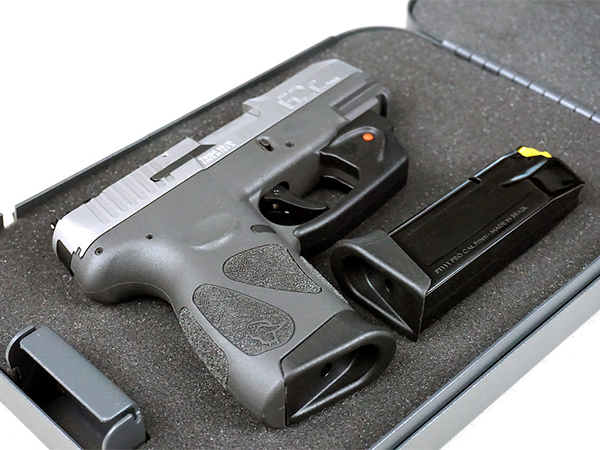
A high-quality gun safe is one of the most reliable ways to secure firearms. Modern gun safes are designed to resist break-ins and often provide fire and water protection. Choose a safe that meets recognized safety standards and offers enough space for your firearms, ammunition, and accessories. For added security, bolt the safe to the floor or wall to prevent removal.
Trigger Locks: Preventing Accidental Use
Trigger locks are affordable devices that render a firearm inoperable by blocking access to the trigger. They are essential in households with children or visitors. While trigger locks should not replace locked storage, they add an extra layer of protection and reduce the risk of accidental discharge.
Store Ammunition Separately
Storing ammunition in a locked container separate from firearms further reduces the risk of misuse. Keeping guns unloaded and ammo secured limits unauthorized access and adds an important safety barrier, particularly in shared living spaces.
Biometric Safes and Smart Locks
Biometric safes use fingerprint recognition or digital authentication to grant access only to authorized users. These systems eliminate concerns about lost keys or forgotten combinations while allowing quick access when needed. When choosing biometric options, select tested, reliable models to ensure consistent performance.
Locking Gun Cabinets
Gun cabinets with locks offer a practical alternative for those seeking a more budget-friendly solution. While not as robust as safes, locked cabinets provide significantly more protection than unsecured storage and help keep firearms organized and out of reach.
Concealed Storage Options
Concealed storage solutions, such as hidden wall compartments or furniture with lockable panels, allow for discreet firearm storage. These options can enhance privacy while maintaining security, provided access remains restricted to authorized individuals.
Education and Household Awareness
Safe firearm storage extends beyond equipment. Educating all household members about firearm safety is essential. Children should understand the dangers of firearms and know to report unsecured weapons immediately. Open communication reinforces a culture of safety and responsibility.
Responsible firearm ownership goes far beyond proper handling—it includes secure storage practices that protect loved ones and reduce risk. By investing in secure storage solutions, using layered safety measures, and prioritizing education, gun owners can uphold the highest standards of safety.
A thoughtful approach to firearm storage helps ensure that ownership remains responsible, secure, and aligned with the well-being of families and communities alike.