How to Eliminate Flinching and Improve Shooting Accuracy
- By the dedicated team of editors and writers at Newsletter Station.
For firearm enthusiasts and recreational shooters alike, accuracy is both a technical skill and a rewarding pursuit. One of the most common obstacles to consistent shot placement is the dreaded flinch—an involuntary reaction that causes the shooter to tense up or jerk just before pulling the trigger.
Flinching can undermine confidence, reduce accuracy, and make shooting far less enjoyable. The good news is that it’s a correctable issue. By understanding why flinching occurs and practicing proven techniques, shooters of all experience levels can build better control and consistency.
Understanding the Flinch
Flinching is a natural, instinctive response rooted in self-preservation. Loud noise, recoil, and the anticipation of impact signal danger to the brain, triggering a protective muscle response. This reaction often happens just milliseconds before the shot breaks, sending rounds off target.
Both beginners and seasoned shooters experience flinch. New shooters may react out of uncertainty or noise sensitivity, while experienced shooters can develop flinching over time through fatigue, improper technique, or repeated exposure without corrective training. Recognizing flinch as a learned behavior—not a failure—is the first step toward eliminating it.
Master Breath Control
Breathing plays a vital role in stabilizing your body and calming your mind. Poor breath control can increase tension and amplify anticipation, making flinching more likely.
Practice slow, controlled breathing before each shot. As you align your sights, take a deep breath, exhale naturally, and pause briefly at the bottom of the exhale while gently squeezing the trigger. This pause helps reduce movement and promotes a smoother, more controlled shot.
Use Dry-Fire Practice to Retrain Muscle Memory
Dry-fire training—practicing with an unloaded firearm—is one of the most effective ways to overcome flinching. Without recoil or noise, you can focus entirely on grip, stance, sight alignment, and trigger control.
Pay close attention to a smooth, steady trigger press. The goal is a “surprise break,” where the shot occurs without anticipation. Regular dry-fire sessions help replace flinching habits with disciplined muscle memory and improved confidence.
Apply Progressive Training Methods
Overcoming flinch takes time and consistency. Start with smaller calibers or reduced-recoil ammunition to build confidence. As your comfort increases, gradually transition to higher-recoil firearms.
Working with a qualified firearms instructor can also accelerate progress. Personalized feedback helps identify subtle habits that contribute to flinching and provides targeted drills to correct them safely and efficiently.
Practice Relaxation and Mental Focus
Physical tension and mental stress often amplify flinching. Incorporating relaxation techniques such as visualization, controlled muscle relaxation, or brief mindfulness exercises before shooting can significantly improve performance.
Visualize a calm, smooth trigger pull and accurate shot placement. A relaxed shooter is far less likely to anticipate recoil or noise.
Choose Proper Gear and Protection
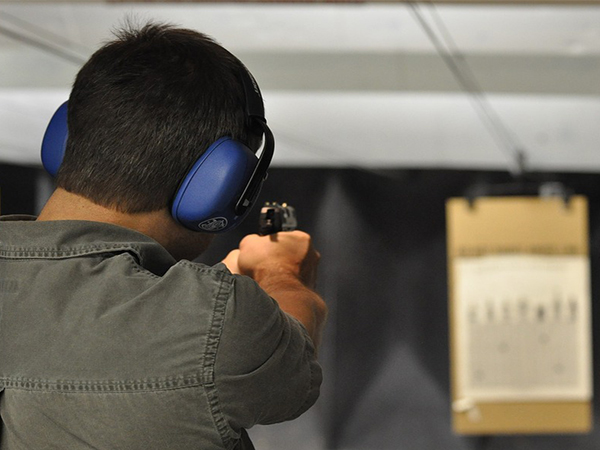
Comfort matters. Quality ear protection reduces noise shock, while recoil pads, shooting gloves, and properly fitted firearms help minimize physical discomfort. When distractions are reduced, shooters can focus entirely on technique and execution.
Eliminating flinch is a process, not an instant fix—but it’s well within reach. By understanding its causes, practicing disciplined techniques, and maintaining a calm, patient mindset, shooters can dramatically improve accuracy and confidence.
Whether you’re new to firearms or refining years of experience, addressing flinch will elevate both your performance and enjoyment at the range. Consistent practice, thoughtful training, and the right equipment make all the difference.