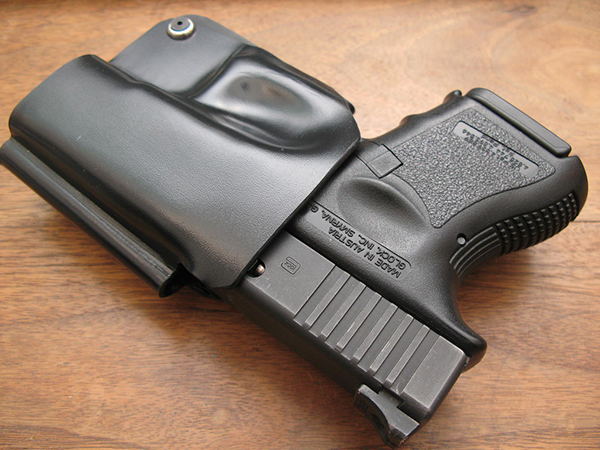
How to Choose the Right Holster: A Guide for Responsible Gun Owners
- By the dedicated team of editors and writers at Newsletter Station.
Whether you’re carrying for self-defense, professional use, or sport, selecting a high-quality holster is one of the most critical decisions a responsible gun owner can make. The right holster ensures your firearm stays secure, accessible, and safely positioned at all times.
However, with dozens of styles, materials, and configurations available, finding the right holster can feel overwhelming. This guide breaks down the key factors to consider when choosing a holster that fits your firearm, lifestyle, and carry preferences.
Firearm Fit and Retention
A holster’s main job is to keep your firearm securely in place while allowing a smooth draw when needed. A custom-fit holster, specifically designed for your firearm model, ensures proper retention and prevents the gun from shifting or falling out.
Look for adjustable retention features, such as tension screws, passive locking systems, or audible “click” retention mechanisms. These allow you to fine-tune how tightly your firearm is held—balancing security with ease of draw.
Avoid “universal fit” holsters for serious daily carry, as they may compromise both retention and safety.
Comfort and Concealment
Comfort determines how consistently you carry. A holster that digs into your side or shifts throughout the day is more likely to be left behind. Choose a holster made from premium materials that minimize irritation, and consider the carry position that suits your body type and wardrobe.
For concealed carry, an inside-the-waistband (IWB) or appendix carry holster often provides the best balance between accessibility and discretion. For open carry, outside-the-waistband (OWB) holsters may offer greater comfort and faster access.
Also, remember that proper clothing—like structured shirts or outer layers—can enhance concealment and reduce printing (the visible outline of the gun).
Holster Material and Construction
The right material affects durability, comfort, and performance. Common holster materials include:
Leather: Classic, comfortable, and aesthetically pleasing. It molds to your body over time but may need a break-in period and regular maintenance.
Kydex: Durable, rigid, and low-maintenance. Offers excellent retention and draw speed, but can be less forgiving on comfort.
Nylon or Fabric: Lightweight and affordable, but may lack rigidity or long-term durability. Better suited for casual or backup carry.
Hybrid: Combines materials (often Kydex with leather or neoprene backing) for a balance of comfort, retention, and breathability.
Choose based on how often and in what environment you carry—urban professionals may prefer slim Kydex holsters, while outdoor users may favor rugged hybrids.
Accessibility and Draw Speed
In a self-defense situation, every second counts. A well-designed holster should provide a smooth, consistent draw while keeping your firearm securely in place during movement.
Look for options with adjustable cant (angle) and ride height to customize how your firearm sits for your natural hand position—practice drawing and re-holstering safely until it becomes second nature.
Consistency builds muscle memory—so once you choose a holster, train with it regularly to ensure you can access your firearm efficiently under stress.
Trigger Guard Protection
Safety should never be compromised. A quality holster must fully cover the trigger guard to prevent accidental discharge from foreign objects, clothing, or fingers during re-holstering.
Rigid materials like Kydex or reinforced leather provide the best protection, ensuring nothing can press against the trigger until you’re ready to draw.
Holster Type and Carry Method
There’s no one-size-fits-all solution when it comes to holsters. Your choice will depend on your daily routine, environment, and preferred carry style. Common types include:
Inside-the-Waistband (IWB): Ideal for concealed carry; offers a discreet profile and secure fit.
Outside-the-Waistband (OWB): Easier to draw and comfortable for open carry or range use.
Appendix Carry (AIWB): Popular for quick access; requires proper safety training.
Shoulder Holsters: Great for drivers or those who sit for long periods.
Ankle or Pocket Holsters: Useful for backup firearms or compact handguns.
Experiment with different styles to find what feels most comfortable and natural for your carry habits.
Additional Considerations
Adjustability: Holsters with adjustable clips or loops let you adapt to different belts or carry positions.
Sweat Guard: A raised portion that protects your gun from moisture and improves comfort.
Ease of Maintenance: Look for holsters that are easy to clean and wear-resistant.
Retention Training: Even with the best holster, proper handling skills are essential. Regular dry-fire practice helps ensure safe, controlled access.
Choosing the right holster is a crucial step in responsible firearm ownership. The perfect holster should fit your firearm precisely, feel comfortable for daily wear, and provide both accessibility and safety.
Investing in a high-quality holster not only protects your firearm but also enhances your confidence and preparedness. Whether you’re new to carrying or an experienced gun owner, remember: comfort, safety, and consistency are key.
By taking time to evaluate fit, material, and design—and practicing regularly—you’ll be equipped for secure, responsible carry every time you leave home.