Choosing the Right Target for Shooting Practice: A Practical Guide to Improve Accuracy and Safety
- By the dedicated team of editors and writers at Newsletter Station.
Whether you're training for sport shooting or personal defense, the quality of your practice depends heavily on the targets you use. The right target helps sharpen accuracy, improve reaction time, and reinforce safe shooting habits. With modern training options and updated safety standards, selecting the appropriate target is more important than ever.
This guide will walk you through how to choose the best targets for your goals while maximizing both performance and safety.
Define the Purpose of Your Practice
Start by identifying what you want to achieve during your session. Your goal will determine the type, size, and style of target you should use.
For precision and competitive shooting:
Choose targets with clearly defined scoring zones, such as bullseye or grid-style paper targets. These help track accuracy and measure improvement over time.
For defensive or tactical training:
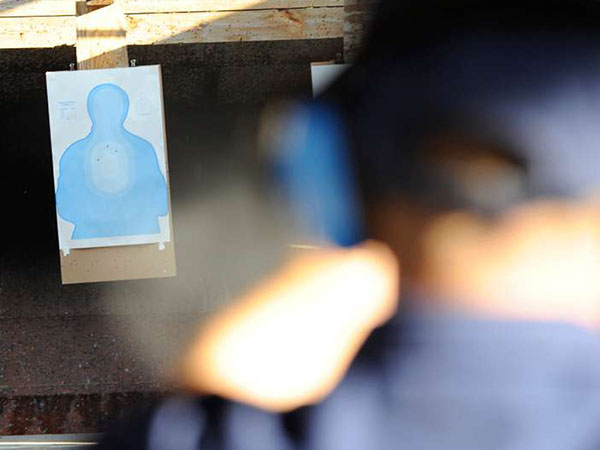
Use silhouette-style targets to practice shot placement and target acquisition. Many modern options now include vital zone markings to enhance realism and training effectiveness.
Choose the Right Target Material
Target material impacts durability, feedback, and overall training experience. Each type serves a different purpose.
Paper and Cardboard Targets:
Affordable and widely available, these are ideal for accuracy drills and beginners. They’re easy to replace and work well for documenting progress.
Steel Targets:
Steel provides immediate auditory feedback with a distinct “ping,” making it popular for dynamic shooting practice. Modern steel targets are designed to reduce splash-back when used at proper distances and angles. Always follow manufacturer safety guidelines.
Reactive Targets:
These include splatter, clay, or self-healing polymer targets that visibly react when hit. They’re excellent for fast-paced drills and help shooters quickly confirm hits without walking downrange.
Match Target Size and Distance to Your Skill Level
The relationship between target size and distance directly affects your training outcomes.
Accuracy-focused practice:
Use smaller targets placed at longer distances to refine precision and consistency.
Speed and movement drills:
Larger targets at closer ranges help improve reaction time, transitions, and muscle memory.
A good training routine includes building well-rounded shooting skills.
Prioritize Safety at All Times
No matter your experience level, safety should always come first. Proper setup and equipment reduce risk and ensure a productive session.
Key safety considerations:
Use a proper backstop designed to stop rounds
safely
Position steel targets with a slight downward angle to deflect fragments safely
Maintain recommended distances for different calibers and target types
Always wear appropriate eye and ear protection
Modern range guidelines also emphasize keeping your shooting lane clear and maintaining full awareness of your surroundings.
Incorporate Variety to Avoid Training Plateaus
Using the same target repeatedly can limit progress. Incorporating a variety of target types and drills helps challenge different skills.
Consider rotating:
Standard paper targets for grouping and accuracy
Reactive targets for speed drills
Multiple-target setups for transition practice
This variety keeps training engaging and helps simulate real-world conditions more effectively.
Choosing the right target for your shooting practice isn’t just about convenience—it’s a key factor in improving performance and maintaining safety. By aligning your target selection with your training goals, skill level, and environment, you can make each session more effective and rewarding.
Whether you're refining precision or building speed, the right targets will help you train smarter, stay safe, and continue progressing with confidence.