Choosing Your First Concealed Carry Firearm: A Practical Guide for New Owners
- By the dedicated team of editors and writers at Newsletter Station.
Carrying a concealed firearm is a serious responsibility that requires thoughtful decision-making, ongoing training, and strict attention to safety. For first-time buyers, the number of options on the market can feel overwhelming.
Selecting the right concealed carry firearm isn’t about finding the most powerful option—it’s about choosing a reliable, legal, and comfortable tool that fits your lifestyle.
This guide outlines key considerations to help you make a confident, informed choice.
Know and Follow Your Local Laws
Before purchasing or carrying a concealed firearm, take time to understand the laws in your state and municipality. Regulations vary widely and may cover permit requirements, approved carry methods, magazine capacity, and where concealed carry is allowed. Staying informed helps you remain compliant and practice responsible gun ownership.
Choose the Right Concealment Method
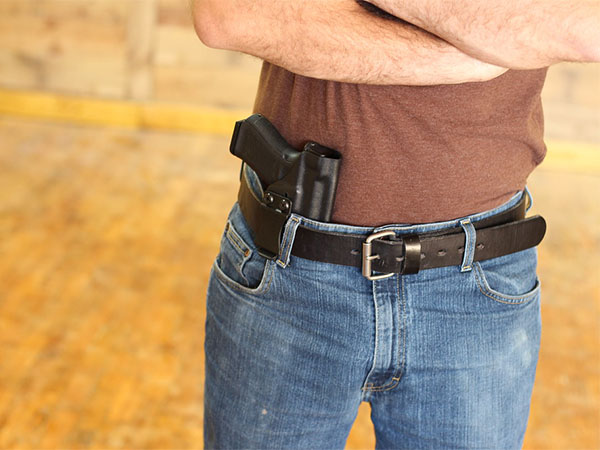
How you plan to carry your firearm plays a significant role in what type of gun will work best. Inside-the-waistband (IWB), outside-the-waistband (OWB), appendix carry, and off-body carry all have different space, comfort, and accessibility considerations. Smaller, lighter firearms are often easier to conceal, especially for daily wear.
Pairing the right firearm with a quality holster is just as important as the gun itself.
Select a Manageable Caliber
Caliber choice should balance effectiveness with control. Larger calibers may offer increased stopping power but often produce more recoil, which can impact accuracy and follow-up shots. Smaller calibers are typically easier to manage and encourage consistent practice. The best caliber is one you can handle confidently and shoot accurately.
Prioritize Comfort and Ergonomics
A concealed carry firearm should feel natural in your hand and comfortable to carry for extended periods. Pay attention to grip size, texture, trigger reach, and overall balance. If a firearm is uncomfortable, you’re less likely to train regularly or carry consistently.
Whenever possible, handle different models or test them at a range before making a purchase.
Focus on Reliability and Build Quality
Reliability is non-negotiable. Your firearm must function consistently under all conditions. Research manufacturers, read verified reviews, and seek guidance from experienced owners or certified instructors. Firearms built with durable materials and proven designs tend to perform more reliably over time.
Understand Safety Features
Modern concealed-carry firearms include various safety mechanisms, such as trigger safeties, internal blocks, and manual safeties. Choose a system you understand and can operate confidently. Safety features should complement—not complicate—your training and carry habits.
Consider Capacity and Ammunition
Magazine capacity and access to spare magazines are practical considerations. While higher capacity can provide peace of mind, it often comes with increased size and weight. Equally important is choosing high-quality, reliable self-defense ammunition and practicing regularly with similar rounds.
Train, Practice, and Carry Responsibly
Choosing your first concealed carry firearm is only the beginning. Ongoing training, safe storage, and regular practice are essential parts of responsible ownership. By prioritizing legality, comfort, reliability, and safety, you’ll be better prepared to carry with confidence and care.