The Best Ways to Store Ammunition Safely and Effectively
- By the dedicated team of editors and writers at Newsletter Station.
Whether you're a seasoned firearms enthusiast or new to shooting sports, proper ammunition storage is essential for safety, performance, and longevity. Ammunition is an investment, and storing it correctly helps maintain reliability, accuracy, and shelf life.
In today’s environment, responsible gun ownership includes not only safe firearm handling but also proper ammo storage that protects against moisture, temperature fluctuations, and unauthorized access.
Below, we outline the most effective ammunition storage options and best practices to help you protect your rounds and stay organized.
Ammo Cans
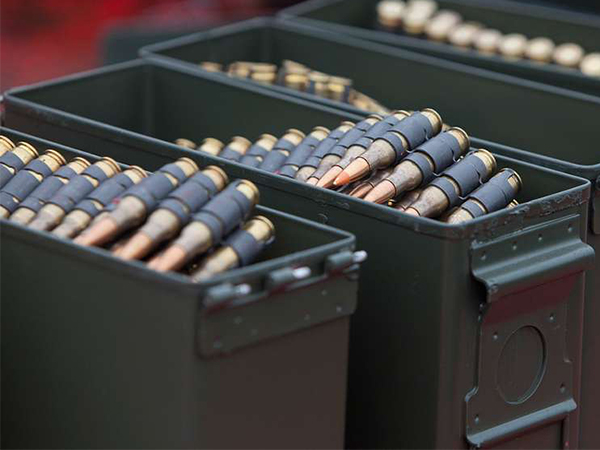
Ammo cans remain one of the most trusted and practical solutions for storing ammunition. Available in metal and high-impact polymer, these containers are durable, stackable, and airtight.
Most quality ammo cans feature rubber gaskets that create a moisture-resistant seal, helping prevent corrosion caused by humidity. They come in a variety of sizes, from compact containers for a few boxes of handgun rounds to military-style surplus cans that hold hundreds of rounds.
Why they’re popular:
Airtight and moisture-resistant
Stackable for efficient organization
Durable and impact-resistant
Easy to transport with sturdy handles
For long-term storage, pairing ammo cans with desiccant packs adds an extra layer of protection.
Dry Boxes
Dry boxes are another excellent option for ammunition storage. Originally designed for outdoor gear, they are waterproof, dustproof, and lightweight.
Modern dry boxes often include customizable foam inserts or removable trays, making them especially useful for keeping ammunition organized and protected during travel. They’re ideal for range trips, hunting excursions, or off-site storage.
Best for:
Moisture-prone environments
Outdoor storage needs
Portable range solutions
Ammo Crates
Ammo crates provide a structured, stackable solution for storing large quantities of ammunition. Available in wood or heavy-duty plastic, these crates provide organization while maintaining durability.
Many crates include hinged lids, secure latches, and even lockable features for added safety. They’re especially helpful for separating calibers and maintaining inventory control for higher-volume shooters.
Lockable Metal Cabinets
For those with extensive ammunition collections, a lockable metal storage cabinet provides enhanced security and organization. These cabinets often include adjustable shelves and can be paired with firearm safes for centralized storage.
When selecting a cabinet, look for:
Locking mechanisms
Fire-resistant ratings
Ventilation to prevent moisture buildup
Compliance with local storage regulations
While ammunition does not require the same type of safe as firearms in many jurisdictions, secure storage reduces unauthorized access and promotes responsible ownership.
Ammo Bags for Transport
When portability is a priority, ammo bags are a convenient and practical option. Made from reinforced nylon or canvas, these bags are designed for transporting ammunition to the range or field.
Many include:
Padded compartments
Reinforced handles
Multiple storage pockets
Clearly labeled sections for different calibers
While not ideal for long-term storage, ammo bags are excellent for short-term organization and mobility.
Controlling Moisture: Dehumidifiers and Desiccants
Regardless of which storage solution you choose, moisture control is critical. Excess humidity can lead to corrosion, compromised primers, and reduced performance.
To protect your ammunition:
Store in a cool, dry location
Use silica gel desiccant packs
Consider rechargeable dehumidifiers
Avoid storing directly on concrete floors
Keep away from extreme temperature swings
The ideal storage environment is stable, dry, and climate-controlled whenever possible.
Best Practices for Safe Ammunition Storage
In addition to choosing the right container, follow these general guidelines:
Store ammunition separately from firearms when possible
Keep ammo in its original packaging for easy identification
Clearly label containers by caliber and purchase date
Rotate older stock forward to maintain freshness
Always comply with local and state laws regarding storage
Responsible storage not only protects your investment but also promotes safety within your home.
Proper ammunition storage ensures reliability, safety, and long-term performance. Whether you choose traditional ammo cans, waterproof dry boxes, structured crates, or lockable cabinets, the goal remains the same: protect your rounds from moisture, damage, and unauthorized access.
By investing in the right storage solution and following best practices, you can extend the shelf life of your ammunition and stay prepared for your next range session or hunting trip.
Always review and comply with local laws and regulations governing firearm and ammunition storage.