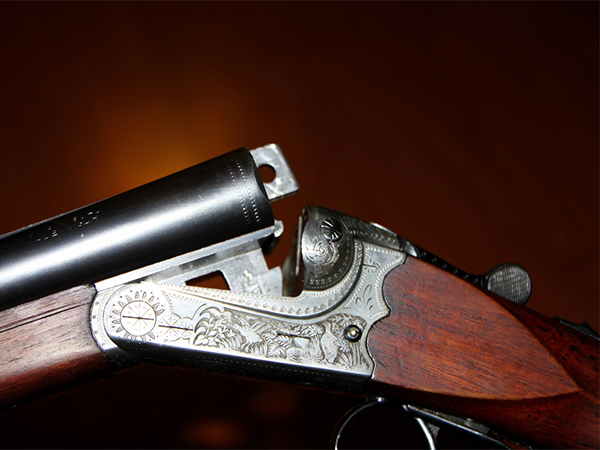
Buying A Used Firearm: Essential Tips For A Safe And Informed Purchase
- By the dedicated team of editors and writers at Newsletter Station.
Buying a used firearm can be an innovative, cost-effective way to acquire a reliable option for self-defense, sport shooting, or hunting. Pre-owned firearms often offer excellent value, but the process requires care, research, and a clear understanding of legal and safety responsibilities.
Approaching the purchase with knowledge helps ensure you select a firearm that is safe, functional, and appropriate for your needs.
This guide outlines essential tips to help you make a confident and informed decision when purchasing a used firearm.
Know the Laws and Regulations
Before beginning your search, familiarize yourself with all applicable local, state, and federal laws governing firearm ownership and transfers. Regulations can vary widely depending on location and may include background checks, waiting periods, permits, or transfer requirements through licensed dealers. Understanding these rules in advance helps prevent delays, legal issues, and unexpected costs.
Do Your Research
Knowledge is one of the most essential tools when buying a used firearm. Research the make, model, caliber, and typical use of the gun you are considering. Look for reputable reviews, manufacturer information, and user feedback to understand reliability and common issues. Comparing current market prices will also help you recognize fair value and avoid overpaying.
Buy from a Reputable Seller
Choosing a trustworthy seller is critical. Reputable gun shops, licensed dealers, and well-established private sellers are generally safer options. Online marketplaces and gun shows can also be viable, but extra caution is required. Avoid sellers who are unwilling to answer questions, provide documentation, or follow legal transfer procedures.
Inspect the Firearm Thoroughly
A careful inspection can reveal potential problems before purchase. Look for excessive wear, rust, cracks, or signs of poor maintenance. Examine the barrel and bore for corrosion or pitting, and check that the action, safety mechanisms, and trigger function properly. If you are unsure what to look for, bringing along a knowledgeable friend or consulting a gunsmith can provide added peace of mind.
Ask for Documentation
Responsible sellers should be able to provide documentation such as a bill of sale, maintenance records, or the original owner’s manual when available. Verify that the serial number is intact and matches any paperwork. This step helps confirm the firearm’s history and supports a lawful transfer.
Test Fire When Possible
If allowed and conducted safely, test-firing a used firearm at a range can provide valuable insight into its performance, accuracy, and reliability. For newer firearm owners, consider seeking guidance from an experienced shooter or instructor to ensure safe handling during testing.
Negotiate the Price
Used firearms are often priced with room for negotiation. Based on your research and inspection findings, make a fair offer that reflects the firearm’s condition, age, accessories, and market demand. A respectful negotiation can benefit both buyer and seller.
Complete All Required Paperwork
Always complete all required background checks, transfer forms, and waiting periods mandated by law. Proper documentation protects both parties and ensures regulatory compliance
Practice Safe Storage and Handling
After purchase, responsible ownership is essential. Store your firearm securely using a gun safe or lock, and follow all recommended safety practices. If you are new to firearms, a safety or training course can help build confidence and reinforce proper handling techniques.
Buying a used firearm can be a rewarding experience when approached thoughtfully and responsibly. By understanding the law, researching your options, and prioritizing safety, you can make a purchase that meets your needs while supporting safe and lawful firearm ownership.