Mastering a Faster, Safer Gun Draw: Essential Tips for Skill and Confidence
- By the dedicated team of editors and writers at Newsletter Station.
Whether you’re a law enforcement professional, competitive shooter, or a responsible concealed carrier, drawing your firearm quickly and efficiently is a critical defensive skill. In high‑stress, life‑threatening situations, milliseconds matter, and the ability to access your weapon smoothly can provide a significant advantage.
Improving this skill requires intentional practice, proper equipment, and unwavering attention to safety. Below are practical, updated tips to help you strengthen your draw technique, boost confidence, and ensure responsible firearm handling.
Commit to Consistent, Purposeful Training
Drawing a firearm is a complex motor skill, and repetition is key to building speed. Seek instruction from certified professionals who specialise in drawing techniques and defensive shooting. Quality training improves your stance, hand position, posture, and overall mechanics. Incorporate regular dry‑fire practice and timed drills to reinforce muscle memory. Over time, your draw becomes faster, smoother, and more instinctive.
Choose the Right Holster
Holster selection plays a major role in your draw speed and safety. Options include IWB, OWB, appendix carry, shoulder holsters, and duty holsters. Choose one with secure retention, reliable accessibility, and complete trigger‑guard coverage. A well-fitted holster reduces fumbling, enhances consistency, and supports safer handling.
Optimize Your Holster Position
Where you carry your holster directly affects speed and comfort. Experiment with placement to find a repeatable, natural draw path that suits your body mechanics. Ensure the position supports both concealment and efficiency, especially if you carry daily. A comfortable, predictable position helps you access the firearm quickly under pressure.
Practice Clearing Clothing Efficiently
For concealed carriers, clothing can introduce delays or complications. Practice sweeping or lifting your cover garment smoothly before establishing your grip. Dry‑fire practice with realistic clothing—jackets, sweatshirts, or tuck-in shirts —proves consistency and removes hesitation during a real emergency.
Build a Strong, Immediate Grip
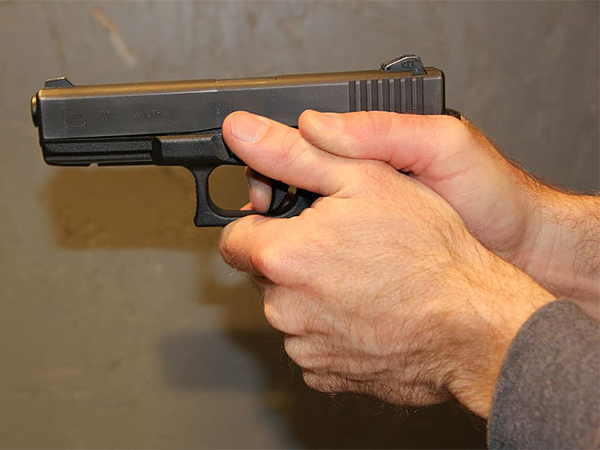
A fast draw requires a secure firing grip right from the holster. Establishing proper hand placement early reduces the need for adjustments once the firearm clears the holster. This not only saves time but also improves accuracy and control once you reach your target.
Consistency Index Points to Improve Consistency
Index points—consistent physical touchpoints on your firearm and holster—help streamline your draw and reholster process. Training to rely on these cues allows you to perform the movement without looking, which is crucial in high‑stress, real‑world situations.
Incorporate Stress‑Based Training
Stress dramatically affects fine motor skills. Simulated stress drills, timed exercises, movement-based training, and cognitive challenges strengthen your ability to maintain accuracy while moving quickly. Conditioning your mind and body enhances your readiness for real defensive encounters.
Prioritize Safety Above All Else
Speed never outweighs safety. Always maintain trigger discipline, follow proper muzzle awareness, and ensure your firearm remains pointed in a safe direction. A fast draw is meaningless without controlled, responsible handling.
Drawing your firearm faster takes dedication, patience, and a focus on both skill and safety. With consistent training, well-chosen equipment, and realistic practice, you can improve your draw speed while maintaining accuracy and composure.
Strengthening this essential skill helps you better protect yourself and others while reinforcing the importance of responsible firearm use.