The Art of Comfort: Exploring Concealed Carry Positions
- By the dedicated team of editors and writers at Newsletter Station.
In recent years, concealed carry has become an increasingly popular choice for individuals seeking to protect themselves and their loved ones. However, finding a comfortable concealed carry position can be challenging. It's essential to balance accessibility, security, and, most importantly, comfort.
In this blog post, we'll delve into the world of concealed carry positions, exploring various options to help you find the most comfortable setup for your needs.
Inside-the-Waistband (IWB) Holster
One of the most common and versatile concealed carry positions is the inside-the-waistband (IWB) holster. This position involves securing the firearm inside your waistband, typically between the hip and the appendix. The IWB holster offers excellent concealment while allowing for a quick draw. To enhance comfort, consider choosing a holster with a padded back or breathable materials that prevent irritation.
Appendix Carry
Appendix carry refers to carrying the firearm in the front of the body, specifically between the stomach and the hip bone. This position allows for quick access and easy concealment, especially for individuals with smaller bodies. To ensure comfort, opt for a holster with a slight forward cant and adjustable ride height. Experiment with different clothing options and holster positions to find the ideal balance of comfort and concealment.
Outside-the-Waistband (OWB) Holster
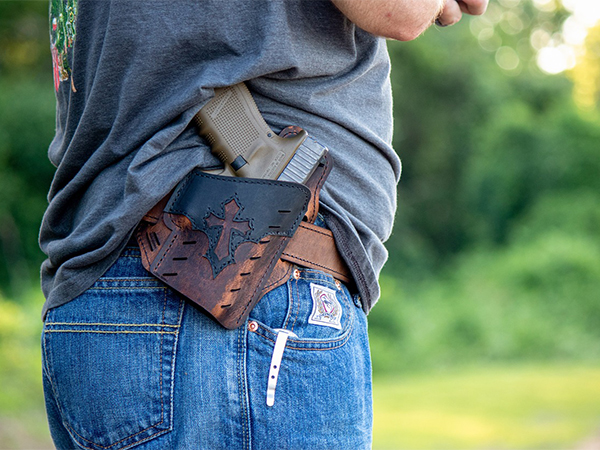
While OWB carry may be more challenging to conceal, it can offer enhanced comfort for those who prefer a more relaxed setup. OWB holsters attach to the belt on the outside of your waistband, making them ideal for open carry or wearing a jacket or outer layer. Look for holsters with adjustable cant and retention levels to customize the position to your liking.
Shoulder Holster
Shoulder holsters provide an alternative to waistband carry, distributing the weight of the firearm across the shoulders. This option works well for individuals who spend extended periods sitting or driving. When choosing a shoulder holster, prioritize adjustable straps, padded backings, and a secure retention system to ensure a comfortable and secure fit.
Ankle Carry
Ankle carry positions the firearm inside your lower leg, just above the ankle bone. This method is beneficial when the waistband or shoulder is impractical or uncomfortable to wear. Ankle holsters should be lightweight, breathable, and equipped with adjustable straps to accommodate various leg sizes, thereby avoiding discomfort caused by rubbing or chafing.
Pocket Carry
Pocket carry can be an excellent choice for those seeking a discreet option. This method involves carrying a compact firearm in the front pocket of your pants or a designated pocket holster. When paired with the proper clothing and holster, it provides convenience, easy access, and comfort. Ensure your pocket holster covers the trigger guard to prevent accidental discharges and offers stability to avoid shifting during movement.
Finding a comfortable concealed carry position is crucial for both everyday comfort and consistent carrying. Each individual's body type, clothing style, and personal preferences will influence their choice of carry position.
Remember to prioritize safety, accessibility, and comfort when selecting a holster and experimenting with different functions. With patience and a willingness to try other options, you'll discover the perfect concealed carry setup that fits seamlessly into your lifestyle.