Choosing the Best Firearm Carry Method: Safety, Comfort, and Legal Considerations
- By the dedicated team of editors and writers at Newsletter Station.
Carrying a firearm is a personal decision that comes with significant responsibility. Whether you're a new firearm owner or have years of experience, selecting a carry method that fits your lifestyle, clothing preferences, and comfort level is essential. The right choice can help ensure safe handling, consistent carry habits, and compliance with applicable laws.
While there is no universal solution, understanding the available carry options and the factors that influence your decision can help you make a more informed choice. This guide explores common firearm carry methods and key considerations for responsible firearm ownership.
Understand Local and State Firearm Laws
Before choosing a carry method, familiarize yourself with the laws and regulations that apply in your area. Firearm laws can vary significantly by state, municipality, and country, including rules related to:
Concealed carry permits or licensing
Open carry regulations
Restricted locations where firearms are prohibited
Transportation and storage requirements
Reciprocity agreements between states
Staying informed about current laws helps ensure compliance and promotes responsible firearm ownership. Laws can change over time, so it's important to review updates regularly.
Explore Common Firearm Carry Methods
There are several ways to carry a firearm, each offering different advantages depending on your needs, clothing, and daily routine.
Open Carry
Open carry involves carrying a firearm in a visible holster. Some individuals prefer this method because it can provide easy access and may be more comfortable in certain situations. However, open carry laws vary by jurisdiction, and visible firearms may attract attention in public settings.
Concealed Carry
Concealed carry allows a firearm to remain out of sight under clothing or within a specialized carry system. Many firearm owners choose concealed carry because it offers discretion and minimizes public attention.
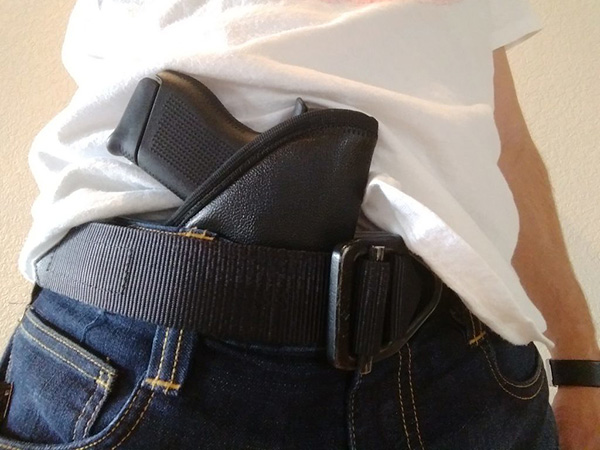
Inside-the-Waistband (IWB) Holster
An IWB holster is positioned inside the waistband and is one of the most popular concealed carry options. It typically provides effective concealment while allowing flexibility with different clothing styles.
Outside-the-Waistband (OWB) Holster
OWB holsters are worn on the outside of the waistband and often provide a comfortable carrying experience. They may be easier to wear for extended periods but generally require additional clothing for concealment when applicable.
Shoulder Holster
A shoulder holster distributes weight across the shoulders and may be preferred by individuals who spend long periods seated, such as drivers. Proper fit and concealment garments are important considerations.
Ankle Holster
Ankle holsters are commonly used for smaller firearms and are often selected as an alternative carry option. Comfort, accessibility, and appropriate firearm size are key factors to consider when choosing this method.
Pocket Carry
Pocket carry is designed for compact firearms carried in a dedicated pocket holster. This option offers convenience and discretion but requires careful consideration of clothing and pocket size.
Cross-Body Carry Bags
Specialized concealed-carry bags and purses are available for those seeking an alternative to on-body carry. If choosing this method, maintaining control and secure possession of the bag at all times is especially important.
Consider Your Lifestyle and Daily Activities
Your everyday routine should play a major role in selecting a carry method.
Ask yourself:
How much time do you spend sitting, standing, or driving?
What type of clothing do you typically wear?
Do you work in environments that require professional attire?
Will your carry method remain comfortable throughout the day?
A carry solution that works well for one person may not be ideal for another. Finding a method that fits naturally into your lifestyle increases the likelihood of carrying consistently and safely.
Prioritize Comfort and Proper Fit
Comfort is a critical factor when evaluating carry options. An uncomfortable holster or poorly fitted system can discourage regular use and create unnecessary frustration.
Look for equipment that:
Fits your firearm properly
Remains secure during daily movement
Supports comfortable all-day wear
Allows consistent and safe handling
Accommodates your preferred clothing style
Investing in quality equipment can significantly improve both comfort and confidence.
Focus on Safe Storage and Handling
Responsible firearm ownership extends beyond how a firearm is carried. Safe storage practices are equally important, particularly in households with children or other individuals who should not have access.
Best practices include:
Following all applicable firearm safety rules
Using secure storage devices when appropriate
Regularly inspecting carry equipment for wear
Ensuring firearms remain under your control at all times
Safety should remain the top priority regardless of the carry method selected.
Commit to Ongoing Training
Training is one of the most important aspects of responsible firearm ownership. Understanding your equipment, applicable laws, and safe handling practices helps build confidence and preparedness.
Consider participating in:
Firearm safety courses
Concealed carry education programs
Defensive firearm training
Refresher courses and continuing education
Regular practice and professional instruction can help reinforce safe habits and improve overall proficiency.
Reevaluate Your Needs Periodically
As your lifestyle changes, your preferred carry method may change as well. Factors such as new employment, seasonal clothing, travel habits, or physical comfort can influence what works best for you.
Periodically reviewing your carry setup ensures it continues to meet your needs while supporting safety, comfort, and compliance with current regulations.
Choosing the best firearm carry method is a highly personal decision that should be guided by safety, legality, comfort, and practicality. By understanding your options, evaluating your daily routine, investing in quality equipment, and pursuing ongoing training, you can make an informed decision that aligns with your individual needs.
There is no one-size-fits-all solution. The best carry method is the one that allows you to prioritize responsible firearm ownership while remaining comfortable, confident, and compliant with applicable laws.