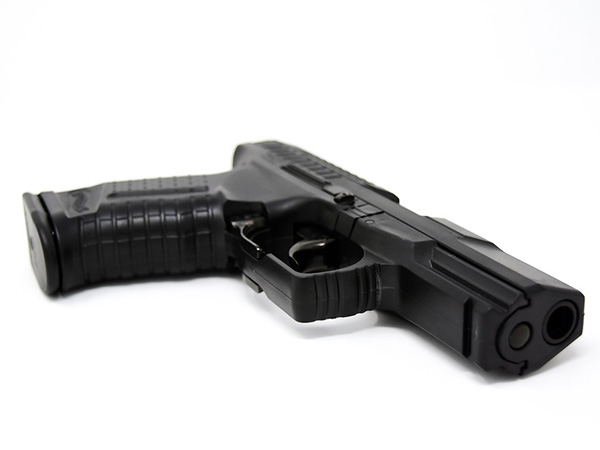
What to Do If Your Firearm Goes Missing: A Responsible Gun Owner’s Safety Guide
- By the dedicated team of editors and writers at Newsletter Station.
Owning a firearm carries serious responsibility, and safe storage is a key part of that responsibility. Even with strong precautions in place, there may be rare situations where a firearm cannot be located. When this happens, quick, calm, and informed action is essential to protect your safety and others'.
This guide outlines the critical steps to take if you believe your firearm is missing, along with prevention practices to reduce future risk.
Stay Calm and Conduct a Thorough Search
Before assuming the worst, take a moment to stay calm. Stress can make it harder to think clearly and retrace your steps effectively.
Carefully check:
Gun safes, lockboxes, and storage areas
Vehicles, bags, or travel cases
Places where cleaning or maintenance may have occurred
Recent handling or transport locations
In many cases, firearms are simply misplaced rather than stolen.
Contact Local Law Enforcement Immediately
If you are certain your firearm is missing, report it to your local police department as soon as possible. Prompt reporting is essential to help prevent misuse and support recovery efforts.
Be prepared to provide:
Make, model, and caliber
Serial number (if available)
Any unique identifying marks
Last known location and time seen
A police report also serves as an official record for insurance and further reporting.
Report the Loss to Federal Authorities
In addition to local law enforcement, it is important to report the missing firearm to federal authorities so it can be tracked in national databases.
This step helps:
Document the firearm as lost or stolen
Reduce the risk of illegal use
Support ongoing investigations
Notify Your Insurance Provider
If your firearm is covered under a homeowners or renters insurance policy, contact your insurance provider promptly.
You may need to submit:
A copy of the police report
Proof of ownership
Details about the firearm
Coverage and reimbursement depend on your policy terms, so review them carefully.
Strengthen Home and Storage Security
After reporting the incident, take steps to improve your home security to prevent future issues:
Upgrade or change locks if needed
Install or enhance a home security system
Ensure firearms are stored in a certified gun safe or lockbox
Consider trigger locks or additional security devices
Modern firearm safes with biometric or digital access controls offer improved protection and accountability.
Review Safe Storage and Legal Requirements
Use this situation as an opportunity to review firearm safety practices and legal responsibilities.
Best practices include:
Always store firearms unloaded and secured
Separating firearms from ammunition
Using locking devices consistently
Staying updated on state and federal storage laws
Responsible storage significantly reduces the risk of loss, theft, or unauthorized access.
A missing firearm is a serious situation that requires immediate and responsible action. Staying calm, reporting the loss quickly, and improving security measures are the most important steps you can take.
Responsible firearm ownership is not only about possession—it is about consistent safety practices, awareness, and accountability to protect your home and community.