Important Areas of Your Home You Should Regularly Disinfect
- By the dedicated team of editors and writers at Newsletter Station.
Maintaining a clean and healthy home has become a top priority for many families. While routine cleaning helps remove dirt and clutter, regular disinfection is essential for reducing germs, bacteria, and viruses that can accumulate on frequently touched surfaces throughout the home.
Many homeowners focus on obvious areas like kitchen counters and bathroom sinks, but germs can spread quickly through many commonly used spaces that are often overlooked. High-touch surfaces, shared electronics, and everyday household items can all contribute to the spread of illness if not cleaned properly.
By regularly disinfecting key areas throughout your home, you can help create a safer, healthier, and more comfortable living environment for your family and guests.
Focus on High-Touch Surfaces First
High-touch surfaces are among the most important areas to disinfect because they are handled multiple times throughout the day. Germs can easily transfer from hands to surfaces and spread throughout the household.
Some of the most commonly touched surfaces include:
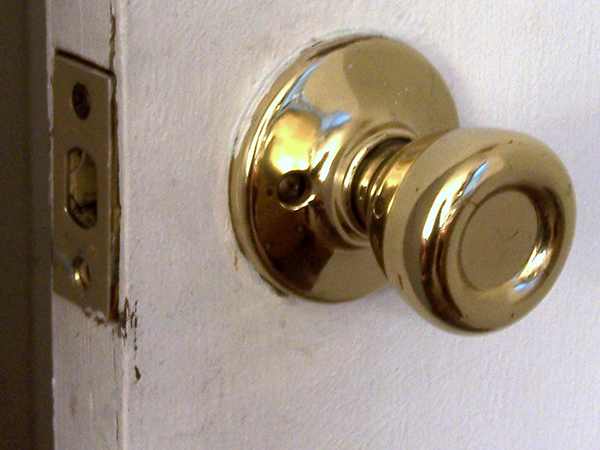
Doorknobs and door handles
Light switches
Remote controls
Cabinet handles
Appliance handles
Faucet handles
Toilet flush handles
Stair railings
Garage door openers
These surfaces should be disinfected regularly, especially during cold and flu season or when someone in the home is feeling unwell.
Keep the Kitchen Properly Sanitized
The kitchen is one of the busiest areas in most homes and can quickly become a breeding ground for bacteria if not cleaned consistently. Food preparation surfaces, appliances, and sinks are especially important to disinfect regularly.
Pay close attention to:
Countertops and cutting boards
Sink basins and faucet handles
Refrigerator handles and shelves
Microwave buttons and handles
Oven and stovetop knobs
Dishwasher handles and controls
Trash can lids
Using separate cutting boards for raw meats and fresh produce can also help reduce cross-contamination and improve food safety.
Don’t Overlook the Bathroom
Bathrooms naturally contain high levels of moisture and bacteria, making regular disinfection especially important. Shared bathrooms may require even more frequent cleaning due to higher usage.
Important bathroom areas to disinfect include:
Toilet seats, bowls, and flush handles
Sink surfaces and faucets
Shower and bathtub handles
Countertops and mirrors
Toothbrush holders
Floor tiles and grout
Bathroom light switches
Proper ventilation can also help reduce moisture buildup and limit the growth of mold and mildew.
Bedrooms Need Attention Too
Although bedrooms may appear cleaner than other areas of the home, they still contain frequently touched surfaces and hidden allergens that should be cleaned regularly.
Disinfect and clean items such as:
Bedside tables
Light switches
Drawer handles
TV remotes
Lamps and touch controls
Frequently handled electronics
Washing bedding, pillowcases, and blankets regularly also helps maintain a cleaner and healthier sleeping environment.
Disinfect Shared Living Spaces
Living rooms and family rooms are common gathering spaces where germs can spread easily through shared surfaces and electronics.
Focus on disinfecting:
Coffee tables and side tables
TV remotes and gaming controllers
Cell phones and tablets
Upholstered furniture surfaces
Light switches and lamps
Shared electronics and charging stations
Vacuuming upholstered furniture and carpets regularly can also help reduce dust, allergens, and bacteria buildup.
Keep Home Offices Clean and Sanitized
With remote and hybrid work remaining common, home offices have become an essential part of many households. Because office equipment is handled frequently, these spaces should be cleaned regularly to reduce germs and maintain productivity.
Important office items to disinfect include:
Computer keyboards and mice
Desk surfaces
Phones and headsets
Chair armrests
Tablets and touchscreens
Pens, staplers, and office supplies
Keeping workspaces organized and clutter-free can also make regular cleaning easier and more effective.
Don’t Forget the Laundry Room
Laundry rooms often handle dirty clothing, towels, and bedding that may carry germs and bacteria into the home. While this space is easy to overlook, regular disinfection can help improve overall household cleanliness.
Pay attention to:
Washing machine controls and handles
Dryer buttons and doors
Laundry baskets and hampers
Folding tables and shelves
Iron and ironing board handles
It is also a good idea to clean washing machines periodically to prevent mold, mildew, and odor buildup.
Entryways Can Track Germs Indoors
Entryways are among the first places where germs, dirt, and debris enter the home. Shoes, bags, coats, and frequently touched items can quickly spread bacteria throughout the house.
Important areas to disinfect include:
Doormats and rugs
Coat hooks and storage benches
Shoe racks and baskets
Door handles and locks
Mail organizers and key trays
Some households also create shoe-free zones near entrances to help reduce the amount of dirt and germs brought inside.
Use Safe and Effective Cleaning Products
Choosing the right cleaning and disinfecting products is important for both safety and effectiveness. Always follow product instructions carefully and allow disinfectants to remain on surfaces for the recommended contact time.
Many households now use a combination of traditional disinfectants and environmentally friendly cleaning products. When using stronger cleaning chemicals, proper ventilation and protective gloves can help reduce irritation and improve safety.
It is also important to avoid mixing cleaning products, as certain combinations can create harmful fumes.
Create a Consistent Cleaning Routine
One of the easiest ways to maintain a healthier home is by creating a consistent cleaning and disinfecting schedule. Breaking tasks into daily, weekly, and monthly routines can make cleaning more manageable and prevent germs from accumulating over time.
Even small habits, such as wiping down high-touch surfaces regularly and washing hands frequently, can make a significant difference in maintaining a cleaner home environment.
Regularly disinfecting your home is an important step in protecting your family’s health and creating a cleaner, more comfortable living space. While kitchens and bathrooms often receive the most attention, many other high-touch areas throughout the home also require regular cleaning and disinfection.
By focusing on frequently used surfaces, maintaining a consistent cleaning routine, and using safe cleaning practices, homeowners can reduce the spread of germs and create a healthier environment for everyone in the household.