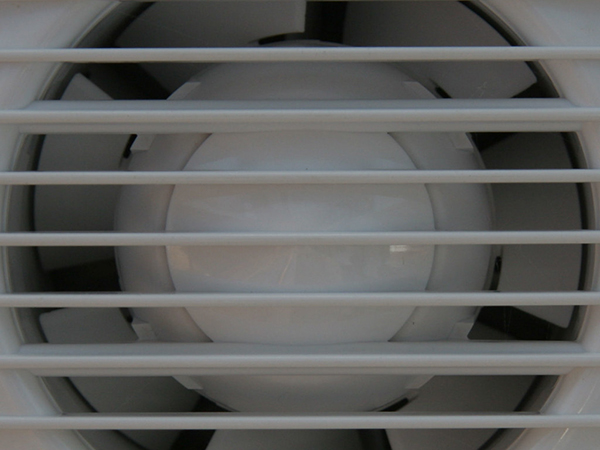
How to Clean Your Bathroom Exhaust Fan for Better Air Quality
- By the dedicated team of editors and writers at Newsletter Station.
Cleaning your bathroom exhaust fan may not be the most exciting household chore, but it plays an important role in maintaining a clean, healthy, and comfortable bathroom environment. Over time, dust, dirt, moisture, and debris can accumulate inside the fan, reducing airflow and forcing the unit to work harder than necessary.
A dirty bathroom exhaust fan can contribute to excess humidity, lingering odors, mold growth, and even higher energy use. Regular cleaning helps improve ventilation, supports better indoor air quality, and can extend the fan's lifespan.
The good news is that cleaning a bathroom exhaust fan is a relatively simple maintenance task that most homeowners can complete in less than an hour with a few basic supplies.
Why Cleaning Your Bathroom Exhaust Fan Matters
Bathroom exhaust fans help remove:
Moisture and humidity
Odors
Airborne particles
Steam from showers and baths
When the fan becomes clogged with dust and debris, it may struggle to ventilate properly. Poor ventilation can lead to:
Mold and mildew growth
Peeling paint or wallpaper
Excess moisture damage
Unpleasant odors
Reduced fan efficiency
Increased noise during operation
Regular maintenance helps your bathroom stay fresher and prevents long-term damage from trapped moisture.
Safety First
Before cleaning your bathroom exhaust fan, always prioritize safety.
Important Safety Steps:
Turn off power to the fan at the circuit breaker
Allow the fan to cool completely if recently used
Wear gloves, safety glasses, and a dust mask if needed
Use a stable ladder or step stool
Disconnecting the power supply helps prevent accidental electrical shock during cleaning.
Gather Your Cleaning Supplies
You don’t need expensive products to clean your bathroom exhaust fan effectively. Most homeowners already have the necessary supplies on hand.
Recommended Cleaning Supplies:
Step stool or ladder
Screwdriver
Vacuum cleaner with brush attachment
Microfiber cloth or soft sponge
Soft-bristle brush or old toothbrush
Mild dish soap
Warm water
Vinegar and water solution for stubborn grime
Compressed air (optional)
Having everything ready before you begin makes the process quicker and more efficient.
Step 1: Remove the Fan Cover
Most bathroom exhaust fan covers are attached with spring clips or screws.
To Remove the Cover:
Carefully pull the cover downward.
If spring clips are attached, gently squeeze them to release the cover.
Place the cover on a flat surface for cleaning.
If your fan model uses screws, use a screwdriver to carefully remove them and set them aside in a safe place.
Step 2: Clean the Fan Cover
The cover often collects a large amount of dust and grime over time.
Cleaning Tips:
Wash the cover in warm, soapy water
Use a soft brush to remove stubborn buildup
Rinse thoroughly
Allow it to dry completely before reinstalling
If mold or mildew is present, a vinegar-and-water solution can help disinfect the surface naturally.
Step 3: Vacuum Dust and Debris
Using a vacuum cleaner with a brush attachment, carefully remove loose dust and dirt from:
Fan blades
Motor housing
Vent openings
Surrounding ceiling area
This step helps prevent dust from spreading into the air during deeper cleaning.
Be gentle around electrical components to avoid damaging the fan.
Step 4: Clean the Fan Blades and Motor Area
Dust buildup on the fan blades can reduce airflow and create unnecessary noise during operation.
To Clean the Blades:
Use a soft cloth or brush to wipe away dirt
Dampen the cloth slightly if needed
Avoid soaking electrical parts with water
For hard-to-reach areas, an old toothbrush or compressed air can help remove stubborn dust.
If the motor area appears excessively dirty or damaged, consider contacting a professional for inspection or servicing.
Step 5: Wipe Down the Housing
Use a damp microfiber cloth to clean the inside of the fan housing and surrounding surfaces.
This helps remove:
Dust
Grime
Moisture residue
Potential mold buildup
Allow all components to dry fully before reassembling the fan.
Step 6: Reassemble the Fan
Once everything is clean and dry:
Reattach the fan cover securely
Ensure clips or screws are properly fastened
Restore power at the circuit breaker
Make sure the cover sits flush against the ceiling for proper airflow and appearance.
Step 7: Test the Fan
Turn the fan back on and check for:
Smooth airflow
Reduced noise
Proper ventilation
Improved performance
If the fan still sounds unusually loud or airflow remains weak, the motor may need repair or replacement.
How Often Should You Clean Your Bathroom Exhaust Fan?
Most experts recommend cleaning your bathroom exhaust fan every six months. However, you may need more frequent cleaning if:
Your bathroom lacks windows
The fan runs daily
You notice excess moisture
Dust accumulates quickly
The fan becomes noisy
Routine maintenance helps prevent larger issues and keeps the fan operating efficiently year-round.
Additional Tips to Improve Bathroom Ventilation
Along with regular fan cleaning, these habits can help maintain better bathroom air quality:
Run the fan during and after showers
Leave the fan on for 15–20 minutes after bathing
Keep air vents unobstructed
Open windows when possible
Address plumbing leaks quickly
Proper ventilation helps reduce humidity levels and protects your bathroom from moisture-related damage.
Cleaning your bathroom exhaust fan is a simple but important home maintenance task that can improve air quality, reduce moisture buildup, and extend the life of your ventilation system. With regular care, your fan can operate more efficiently, quietly, and effectively.
By incorporating bathroom exhaust fan cleaning into your regular household routine, you can help prevent mold growth, eliminate lingering odors, and create a fresher, healthier bathroom environment.