Natural Cleaning Tips: How to Use Vinegar and Baking Soda Throughout Your Home
- By the dedicated team of editors and writers at Newsletter Station.
Keeping your home clean doesn't require a cabinet full of harsh chemical cleaners. Two simple pantry staples—white vinegar and baking soda—can handle many everyday cleaning tasks while helping reduce exposure to unnecessary chemicals. They're affordable, versatile, and environmentally friendly, making them excellent additions to your regular cleaning routine.
While these natural cleaners are effective for many surfaces, it's important to know where they work best and when to use alternative cleaning methods. Here's how to safely use vinegar and baking soda throughout your home.
Freshen Kitchen Appliances
Kitchen appliances collect grease, food residue, and odors over time. Vinegar and baking soda can help keep them clean and running efficiently.
Microwave: Fill a microwave-safe bowl with equal parts water and white vinegar. Heat it until steam forms inside the microwave, then let it sit for a few minutes before wiping away loosened food splatters and grease.
Dishwasher: To remove soap scum and mineral buildup, place one cup of white vinegar in a dishwasher-safe container on the top rack and run an empty hot-water cycle. This helps freshen the interior and maintain cleaning performance.
Clean Bathrooms Naturally
Bathrooms often accumulate soap scum, mildew, and hard water deposits.
Showerheads: Fill a plastic bag with white vinegar and secure it around the showerhead with a rubber band. Let it soak for several hours or overnight, then scrub away any remaining mineral deposits.
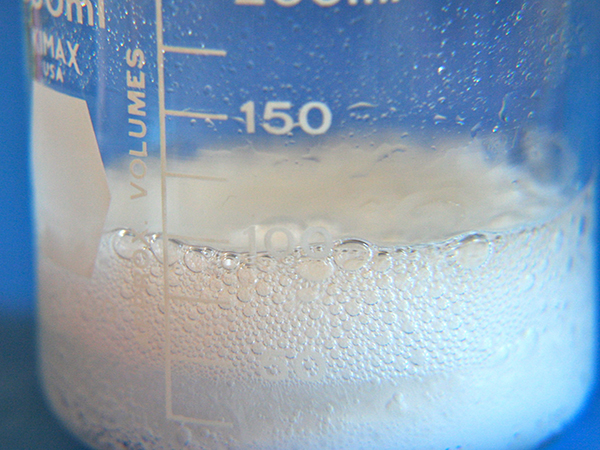
Toilet Bowl: Sprinkle baking soda into the bowl, then pour in white vinegar. Allow the solution to sit for several minutes before scrubbing with a toilet brush and flushing.
Refresh Floors
Tile and Grout: Make a paste with baking soda and water, apply it to the grout lines, scrub gently with a soft-bristled brush, and rinse thoroughly for brighter-looking grout.
Hardwood Floors: For sealed hardwood floors, mix one-half cup of white vinegar with one gallon of warm water. Use a lightly damp microfiber mop, avoiding excessive moisture that could damage the wood.
Safely Clean Countertops
Different countertop materials require different cleaning methods.
Granite and Marble: Avoid vinegar, as its acidity can damage natural stone. Instead, clean with warm water and a few drops of mild dish soap.
Laminate and Stainless Steel: Mix equal parts water and white vinegar in a spray bottle to remove grease, fingerprints, and everyday grime. Wipe dry with a microfiber cloth for a streak-free shine.
Make Windows and Glass Sparkle
Windows and Mirrors: Combine equal parts water and white vinegar in a spray bottle. Clean with a lint-free microfiber cloth for a clear, streak-free finish.
Glassware: Soak cloudy glasses in warm water with a splash of vinegar before washing to help remove mineral deposits.
Improve Your Laundry Routine
Pretreat Stains: Apply a paste made from baking soda and water to common stains before washing. Allow it to sit for several minutes before laundering.
Natural Fabric Softener: Add one-half cup of distilled white vinegar during the rinse cycle to soften fabrics, reduce static, and eliminate lingering odors.
Eliminate Household Odors
Refrigerator: Place an open box or small bowl of baking soda inside your refrigerator to absorb odors. Replace it every two to three months.
Carpets and Upholstery: Sprinkle baking soda over carpets or upholstered furniture, let it sit for 15 to 30 minutes, then vacuum thoroughly to help eliminate unwanted odors.
Know When Not to Use Vinegar
Although vinegar is a versatile cleaner, it should not be used on every surface. Avoid using it on natural stone countertops, waxed furniture, unsealed grout, cast iron cookware, or certain electronic screens, as it may cause damage.
Clean Smarter with Natural Household Ingredients
Vinegar and baking soda remain two of the most affordable, versatile, and eco-friendly cleaning products available. When used correctly, they can tackle everything from kitchen grease and bathroom buildup to laundry odors and dirty windows. Incorporating these natural cleaners into your regular housekeeping routine can help reduce chemical exposure, save money, and keep your home looking its best while supporting a healthier living environment.