How Often Should You Clean Your Walls? A Complete Guide to Cleaner, Healthier Living Spaces
- By the dedicated team of editors and writers at Newsletter Station.
When tackling household cleaning tasks, most people focus on obvious areas such as floors, countertops, bathrooms, and appliances. However, one often-overlooked surface can have a surprisingly large impact on your home's cleanliness and appearance: your walls.
Over time, walls accumulate dust, dirt, pet dander, cooking residue, fingerprints, and other contaminants that can affect both your home's appearance and your indoor air quality. Regular wall cleaning helps maintain a fresh, inviting living space while protecting your paint and wall finishes from unnecessary wear.
If you've ever wondered how often you should clean your walls, the answer depends on several factors. Understanding when and how to clean them can help keep your home looking its best year-round.
Why Cleaning Your Walls Matters
Walls are among the largest surfaces in any room, making them magnets for dust and grime. While buildup may not always be immediately noticeable, it can gradually affect both aesthetics and cleanliness.
Improve Your Home's Appearance
Clean walls instantly brighten a room and help paint colors look more vibrant. Removing stains, smudges, and dust can make your home feel fresher and better maintained without requiring a major renovation.
Whether you're hosting guests, preparing to sell your home, or simply enjoying your space, clean walls contribute to a more polished appearance.
Support Better Indoor Air Quality
Dust, allergens, pet hair, and airborne particles can settle on wall surfaces over time. When disturbed, these particles may circulate back into the air.
Regular wall cleaning can help reduce accumulated dust and contribute to a healthier indoor environment, particularly for individuals with allergies, asthma, or other respiratory sensitivities.
Protect Paint and Wall Finishes
Routine maintenance can help extend the lifespan of painted surfaces and wallpaper. Dirt and grease buildup may gradually damage finishes, especially in high-use areas such as kitchens, hallways, and entryways.
Keeping walls clean helps preserve their appearance and may reduce the need for frequent repainting or repairs.
Eliminate Lingering Odors
Walls can absorb odors from cooking, smoking, pets, and everyday living. Over time, these odors may become trapped in paint and wall coverings.
Periodic cleaning helps remove odor-causing residue and contributes to a fresher-smelling home.
How Often Should You Clean Your Walls?
There is no universal schedule for wall cleaning because every home is different. Factors such as household size, pets, children, cooking habits, and indoor air quality all influence how frequently walls need attention.
Routine Dusting Every 2–3 Months
For most households, lightly dusting walls every few months helps prevent dust accumulation and keeps surfaces looking clean.
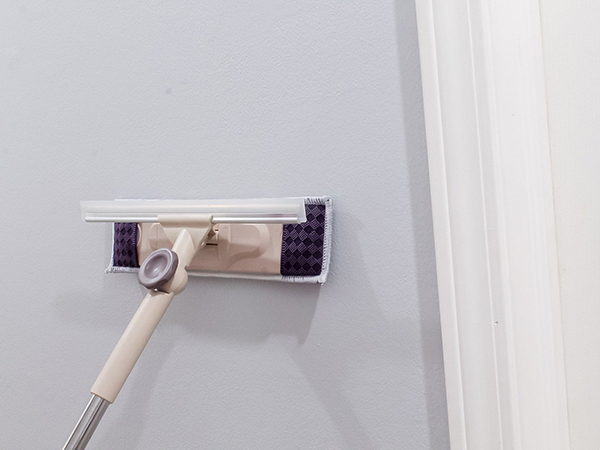
Use a microfiber duster, electrostatic cloth, or vacuum attachment designed for delicate surfaces to remove dust, cobwebs, and loose debris.
Spot Clean As Needed
Scuff marks, fingerprints, food splatters, and other stains should be addressed promptly. The longer a stain remains, the more difficult it can become to remove.
Common areas that often require spot cleaning include:
Light switch areas
Hallways
Children's rooms
Dining areas
Stairwells
Entryways
Quick attention can prevent permanent discoloration or damage.
Clean High-Traffic Areas Every 1–2 Months
Certain rooms naturally accumulate more dirt and grime than others. Kitchens, mudrooms, hallways, and family rooms often require more frequent cleaning due to increased activity.
Cooking residue, handprints, and everyday wear can accumulate more quickly in these spaces, making regular maintenance especially beneficial.
Deep Clean Annually
Many homeowners find that a thorough wall cleaning once or twice a year helps maintain overall cleanliness and preserve wall finishes.
Spring cleaning and fall home maintenance schedules are excellent opportunities to include walls in your cleaning routine.
Special Circumstances May Require More Frequent Cleaning
Some households may benefit from more frequent wall maintenance, including homes with:
Young children
Multiple pets
Indoor smokers
High humidity levels
Frequent cooking activity
Ongoing renovation projects
In these situations, monthly inspections and touch-up cleaning can help prevent excessive buildup.
Tips for Effective Wall Cleaning
Cleaning walls correctly is important to avoid damaging paint, wallpaper, or decorative finishes.
Gather the Right Supplies
Before getting started, collect the following items:
Microfiber cloths
Soft sponge
Bucket
Mild dish soap or gentle wall cleaner
Warm water
Step ladder if needed
Dry towels
Avoid abrasive scrubbers or harsh chemicals that may damage painted surfaces.
Start by Dusting
Always remove loose dust and cobwebs before applying any cleaning solution. Dusting first prevents dirt from turning into muddy streaks during washing.
Test Cleaning Solutions First
Different paints and wall coverings react differently to cleaning products. Always test your cleaning solution on a small, hidden area before cleaning an entire wall.
This simple step helps prevent discoloration or damage.
Work from Top to Bottom
Cleaning from the top down prevents dirty water from dripping onto already-cleaned areas. This method also minimizes streaking and makes the process more efficient.
Use Gentle Pressure
For stubborn stains, gently rub the area using a damp sponge or soft cloth. Avoid aggressive scrubbing, which may remove paint or leave visible marks.
Patience and repeated light cleaning are often more effective than forceful scrubbing.
Rinse and Dry Thoroughly
After washing, wipe the surface with clean water to remove any soap residue. Follow with a dry microfiber cloth to prevent streaks and moisture damage.
Wall Cleaning Mistakes to Avoid
To protect your walls and achieve the best results, avoid these common mistakes:
Using excessive water on painted walls
Applying harsh chemical cleaners
Scrubbing aggressively
Skipping the spot test
Forgetting to dust first
Ignoring manufacturer recommendations for wallpaper or specialty finishes
A gentle approach typically delivers the safest and most effective results.
Wall cleaning may not be the first task that comes to mind when you think of household chores, but it plays an important role in maintaining a clean, healthy, and attractive home. Regular dusting, prompt spot cleaning, and occasional deep cleaning can improve indoor air quality, preserve wall finishes, and enhance the overall appearance of your living spaces.
By incorporating wall maintenance into your regular cleaning routine, you can enjoy a brighter, fresher home while extending the life of your paint and wall coverings. A little attention to your walls can make a noticeable difference throughout your entire home.