How to Protect Your Car’s Exterior During Long-Term Storage
- By the dedicated team of editors and writers at Newsletter Station.
Your car is a significant investment, and proper care is important even when it’s not being driven regularly. Whether you're taking an extended trip, storing a seasonal vehicle, or have a second car that sees limited use, taking a few preventive measures can help protect your vehicle’s exterior and maintain its value.
Environmental factors such as sunlight, moisture, dirt, pests, and temperature fluctuations can all take a toll on a parked vehicle over time. Fortunately, with a little preparation, you can keep your car looking its best and avoid unnecessary repairs. Here are several effective ways to safeguard your car's exterior during periods of inactivity.
Park in a Garage Whenever Possible
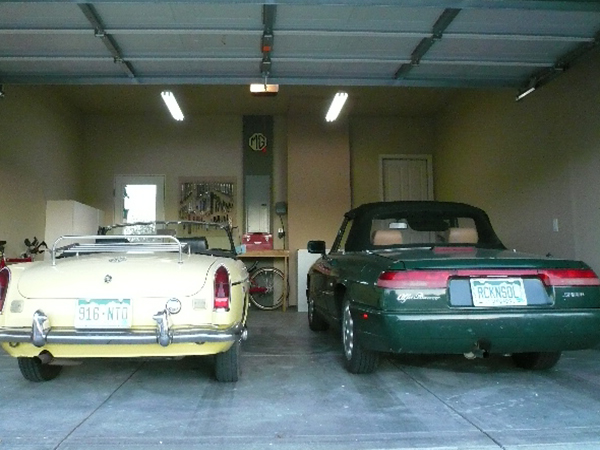
One of the best ways to protect your vehicle is by storing it in a garage. Indoor storage shields your car from rain, snow, hail, falling debris, and prolonged exposure to ultraviolet (UV) rays, which can fade paint and damage exterior trim.
If you don’t have access to a garage, consider renting a storage unit designed for vehicles or using a covered parking space. The more protection you can provide from the elements, the better your vehicle will fare during storage.
Invest in a Quality Car Cover
A high-quality car cover offers an additional layer of protection, especially for vehicles stored outdoors. Look for a cover that is:
Breathable to prevent moisture buildup
Weather-resistant
UV-resistant
Designed specifically for your vehicle’s make and model
Before installing the cover, thoroughly wash and dry the vehicle. Trapped dirt or debris can scratch the paint when the cover moves in the wind. A properly fitted cover helps protect against dust, bird droppings, tree sap, and environmental contaminants.
Wash and Wax Before Storage
A thorough cleaning is one of the most important steps before storing a vehicle. Dirt, road salt, bug residue, and other contaminants can damage paint if left on the surface for extended periods.
After washing, apply a quality wax or paint sealant. This protective barrier helps:
Repel moisture
Reduce oxidation
Protect against UV damage
Preserve paint shine
For added protection, consider applying a ceramic spray coating designed for long-term paint preservation.
Protect Your Tires
Vehicles that remain stationary for long periods can develop flat spots on their tires. To minimize this risk:
Inflate tires to the manufacturer's recommended pressure
Move the vehicle slightly every few weeks if possible
Use tire cradles or flat-spot prevention pads for extended storage
Proper tire maintenance not only protects the tires themselves but also helps ensure a smoother ride when the vehicle returns to regular use.
Maintain a Clean Storage Environment
Whether storing your car in a garage, storage unit, or covered structure, keep the surrounding area clean and organized.
Remove or secure items that could potentially leak onto the vehicle, including:
Paints and solvents
Cleaning chemicals
Automotive fluids
Fertilizers or pesticides
It's also wise to address potential pest issues. Rodents and insects can damage wiring, insulation, and vehicle interiors. Sealing entry points and using appropriate pest deterrents can help prevent unwanted visitors.
Care for the Battery
Modern vehicles contain numerous electronic systems that can slowly drain the battery even when the car is not in use. To avoid battery failure:
Connect a battery maintainer or smart trickle charger
Start and drive the vehicle periodically when practical
Check battery terminals for corrosion before storage
Maintaining battery health ensures your vehicle is ready when you need it and can help extend battery lifespan.
Check Fluid Levels and Address Maintenance Needs
Before storing your vehicle, inspect key fluids, including engine oil, coolant, brake fluid, and windshield washer fluid. Fresh oil is particularly important because used oil may contain contaminants that can affect engine components over time.
Taking care of overdue maintenance before storage can prevent minor issues from becoming costly repairs later.
Inspect Your Vehicle Regularly
Even if your car is in storage, periodic inspections are important. Every few weeks, check for:
Moisture accumulation
Paint damage
Tire pressure loss
Pest activity
Signs of leaks
Early detection allows you to address small problems before they become major concerns.
Preserve Your Vehicle’s Appearance and Value
Protecting your car’s exterior during long periods of inactivity doesn't require extensive effort, but it does require planning. By properly storing your vehicle, keeping it clean, protecting the paint, maintaining the tires and battery, and conducting routine inspections, you can preserve both its appearance and long-term value.
A few proactive steps today can help ensure your vehicle remains in excellent condition and ready for the road whenever you need it.